 By admin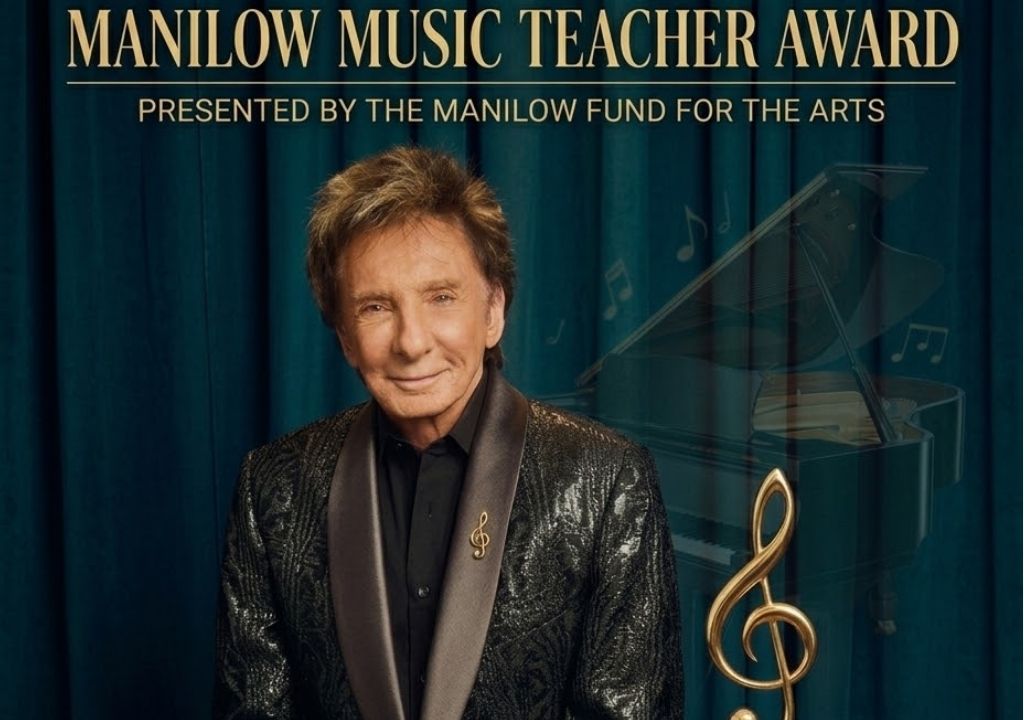
INTRODUCTION
In the quietude of a vacant arena corridor in Newark, the resonance of a distant piano chord feels less like a performance and more like a promise. While the logistical complexities of large-scale touring occasionally necessitate the recalibration of specific performance dates, the institutional momentum of Barry Manilow’s philanthropic engine remains entirely unyielding. For the educators across the Northeast corridor—specifically those shaping minds in Albany, Elmont, and Newark—the approaching deadline of March 19, 2026, represents a transformative intersection of professional recognition and vital resource allocation. The stakes are far higher than a mere trophy; they involve the literal survival of melodic literacy in public institutions.
THE DETAILED STORY
The Manilow Music Teacher Award is not merely a symbolic gesture of appreciation; it is a meticulous intervention in a shifting educational paradigm. By offering a $10,000 prize—meticulously structured as a $5,000 personal award for the educator and a $5,000 credit for essential instruments—Manilow addresses the chronic underfunding that continues to haunt public arts programs across the United States. This initiative strategically shifts the cultural focus from the glittering, high-octane stage of a Vegas residency to the humble, often overlooked practice rooms where the next generation of American musicians is forged. The voting process, currently entering its final sprint, invites the community to validate the unseen labor of teachers who operate far from the limelight, yet carry the weight of a nation’s creative future on their shoulders.
As the deadline nears, the narrative tension between the performer’s public persona and his private mission becomes increasingly evident. Every vote cast is an answer to a systemic problem, yet each one simultaneously raises new questions about how many more educators remain in the shadows of budget cuts. Manilow’s advocacy suggests that the vitality of the American songbook depends not on the singular brilliance of a star, but on the nuanced, daily instruction of those who teach a student to hold a violin bow or master a complex staff. This is the inevitable evolution of a career that has spanned decades; a transition from seeking the spotlight to illuminating the paths of others.
As the digital voting gates prepare to close at 11:59 PM ET on March 19, the urgency within these local school districts is palpable. The campaign represents a rare moment where the power of a global icon is harnessed to provide tangible, grassroots support. Ultimately, Manilow’s enduring legacy may find its most profound and lasting expression not in the gold records lining his private walls, but in the vibrant, cacophonous energy of a high school band room finally equipped with the tools necessary to dream. The music does not stop when the tour bus leaves; it begins when the teacher walks into the classroom with a new set of possibilities.