 By admin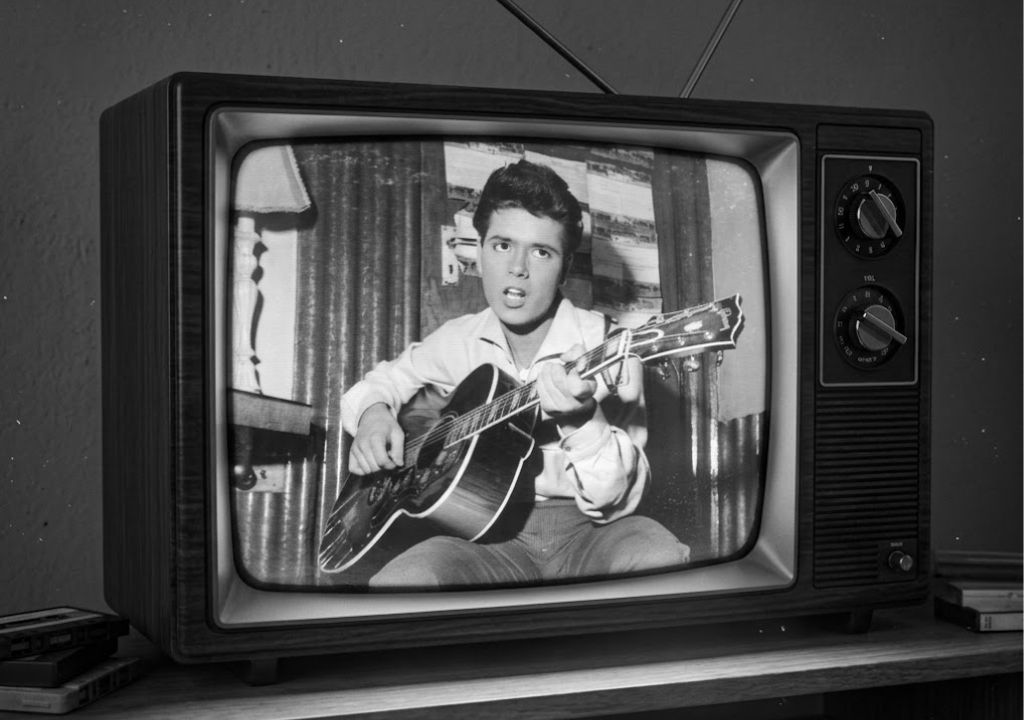
INTRODUCTION
In the autumn of 1958, a young man named Harry Webb stepped into Abbey Road Studios, unknowingly drafting the blueprint for British rock and roll. Clad in pink denim and wielding a rebellious sneer that would soon soften into a national embrace, he released “Move It”—a track John Lennon would later cite as the first true English rock record. Yet, as the decades flickered past, the sneer vanished, replaced by a radiant, almost defiant vitality that seemed to arrest the very passage of time. To observe Sir Cliff Richard today is to witness a living paradox: a performer who has secured a Number One album in five consecutive decades, maintaining a physical and vocal elasticity that baffles contemporaries. This isn’t merely about good genes; it is a meticulously preserved persona that has survived the British Invasion, the psychedelic revolution, and the digital upheaval.
THE DETAILED STORY
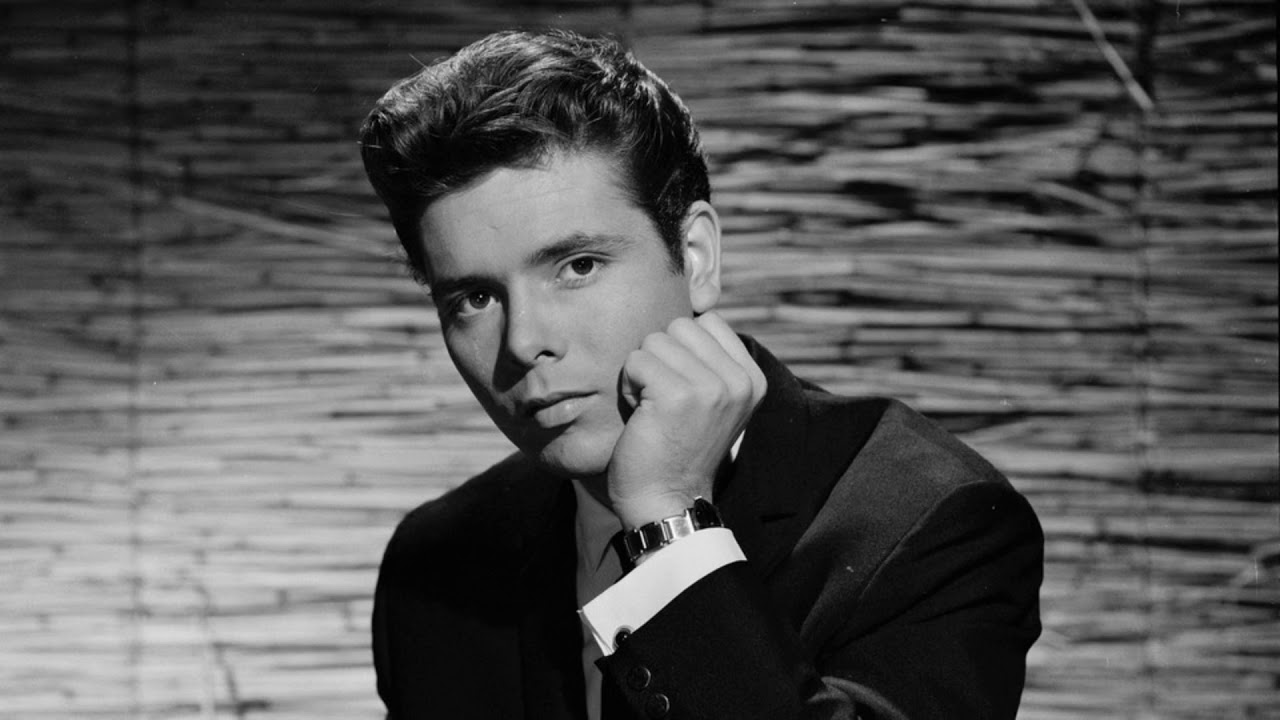
The moniker “Peter Pan of Pop” was not merely a tabloid invention but a recognition of Richard’s unprecedented longevity in a medium designed for the ephemeral. While his peers succumbed to the excesses of the rock lifestyle or faded into nostalgic obscurity, Richard cultivated a disciplined existence rooted in his faith and a rigorous physical regimen. His health-conscious lifestyle—often attributed to his avoidance of alcohol and tobacco—translated into a stage presence that remained virtually unchanged from the 1960s to the 2020s. This professional stasis allowed him to become a foundational pillar of the British entertainment establishment, culminating in his 10/25/1995 knighthood, the first ever awarded to a rock star for his craft.

However, the “Peter Pan” narrative faced its most grueling trial not through age, but through a high-profile legal battle. In 2014, a televised police raid on his Berkshire home sparked a firestorm of speculation. By 07/18/2018, the High Court ruled in his favor against the BBC, awarding him over $250,000 in damages for a “serious” invasion of privacy. This victory did more than clear his name; it reinforced the resilience of his “eternal youth” image, proving that the boy who wouldn’t grow up was, in fact, a man of formidable legal and moral steel.
Richard’s commercial impact is staggering, with sales exceeding 250 million records worldwide. His ability to pivot from the “British Elvis” to a master of the Eurovision stage, and finally to a purveyor of sophisticated pop-gospel, mirrors the adaptive survival of a biological marvel. Whether performing under the 80-degree Fahrenheit lights of a sold-out Wembley or recording in the quietude of a Nashville studio, his voice remains a crystalline constant. The truth of the “Peter Pan” title lies in this: Sir Cliff Richard didn’t just refuse to grow old; he redefined the parameters of aging within the global spotlight.