 By admin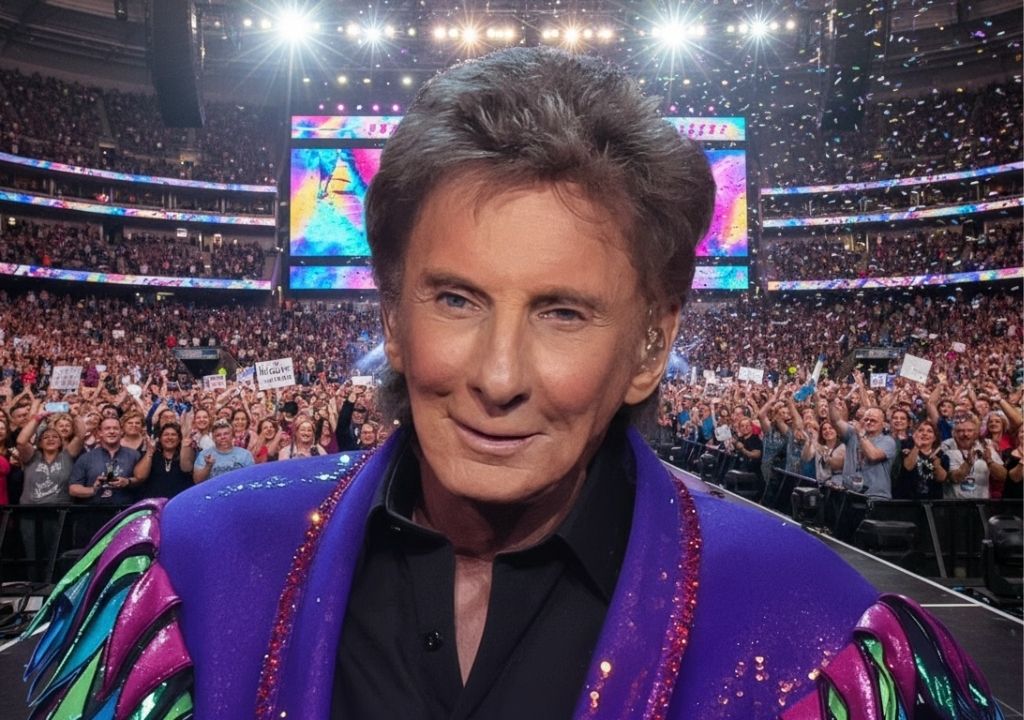
Intoduction
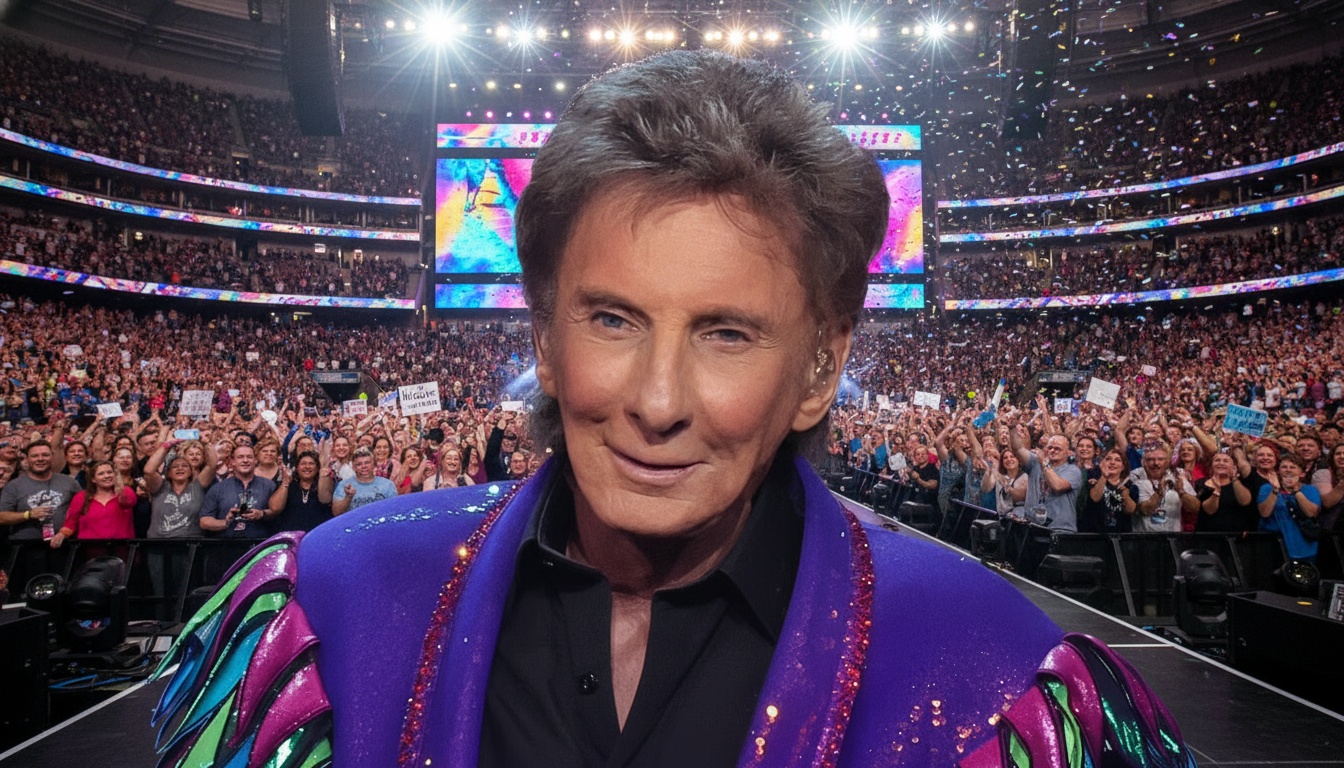
The recording studio, for an artist of Barry Manilow’s vintage, is less a workspace and more a laboratory of human sentiment. In late 2025, as the announcement of his farewell arena tour reverberated through the industry, Manilow introduced a final, meticulous variable into his legacy: a new single titled “Once Before I Go.” This is not the typical promotional fodder designed to bolster ticket sales; rather, it is a sophisticated piece of narrative architecture, a sonic handshake offered to a global audience that has sustained his career for over six decades.
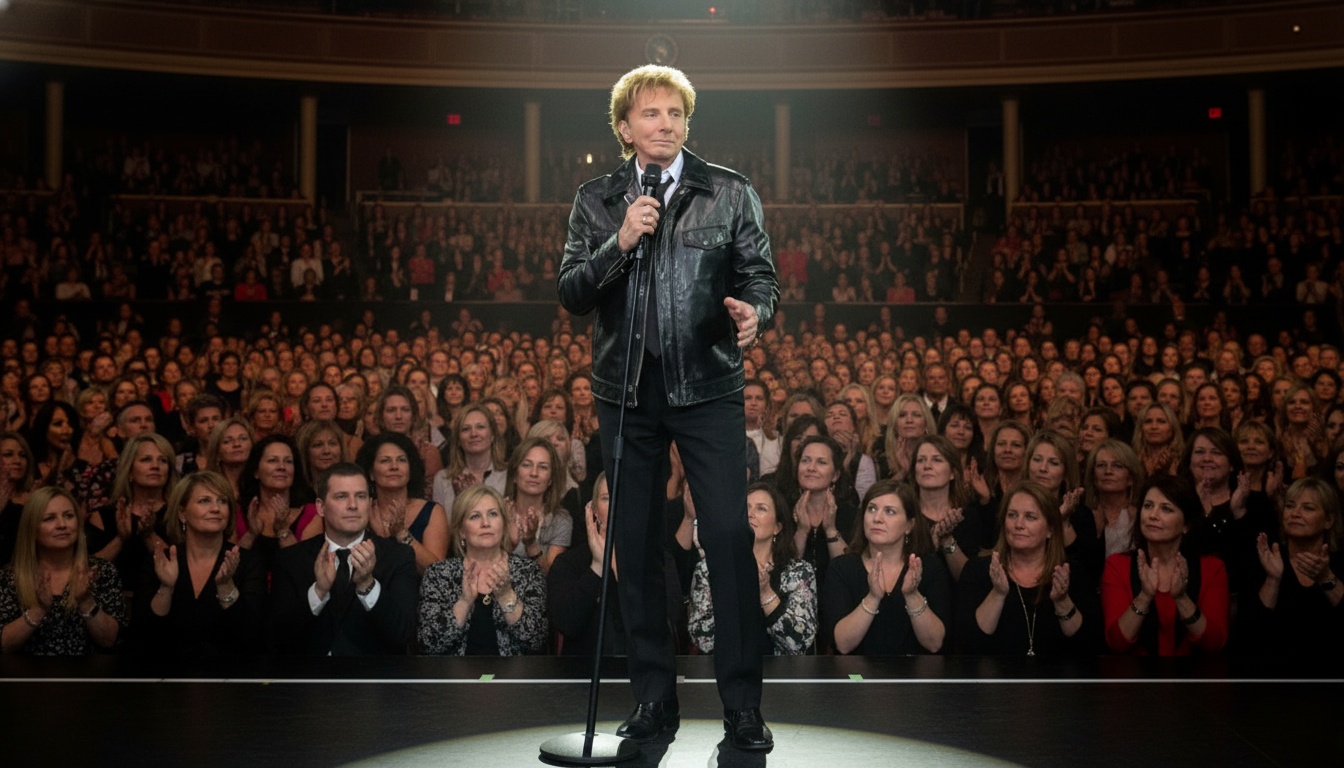
To analyze “Once Before I Go” is to understand the paradigm of the performer-audience contract. Throughout the late 20th century, Manilow occupied a unique space in the cultural zeitgeist—often polarizing to critics but essential to a demographic that valued the “Big Emotion.” This new composition functions as a final accounting of that relationship. Instead of leaning into the high-octane theatricality of his “Copacabana” era, the single leans toward a nuanced, reflective minimalism. It is the work of a man who no longer needs to prove his mastery of the hook, but rather seeks to articulate the profound weight of his departure.
The “Golden Thread” of the song lies in its structural restraint. Manilow, an alumnus of the rigorous Brill Building school of songwriting, understands that the most effective way to convey finality is through a slow, deliberate build. Every chord progression in “Once Before I Go” raises a subtle question about the nature of time: how does an icon summarize sixty years in four minutes? The answer lies in the precision of the prose—the lyrics act as a historical retrospective, acknowledging the shared journey of both the artist and the “Fanilows.” There is an inherent gravity in hearing a voice that has aged with its audience, shifting from the youthful vibrance of the 1970s to the resonant, weathered authority of 2025.
Beyond the melody, the release of this single serves a broader contextual purpose. In an era where the music industry is increasingly dominated by ephemeral digital trends, Manilow’s final offering asserts the enduring value of legacy. He is engaging in a form of artistic reciprocity; the song is a “thank you” that carries the intellectual weight of a lifetime’s labor. It connects his modern output to the broader tradition of the Great American Songbook, positioning him not just as a pop star, but as a transitional figure who bridged the gap between the classic showtune and the modern arena ballad.
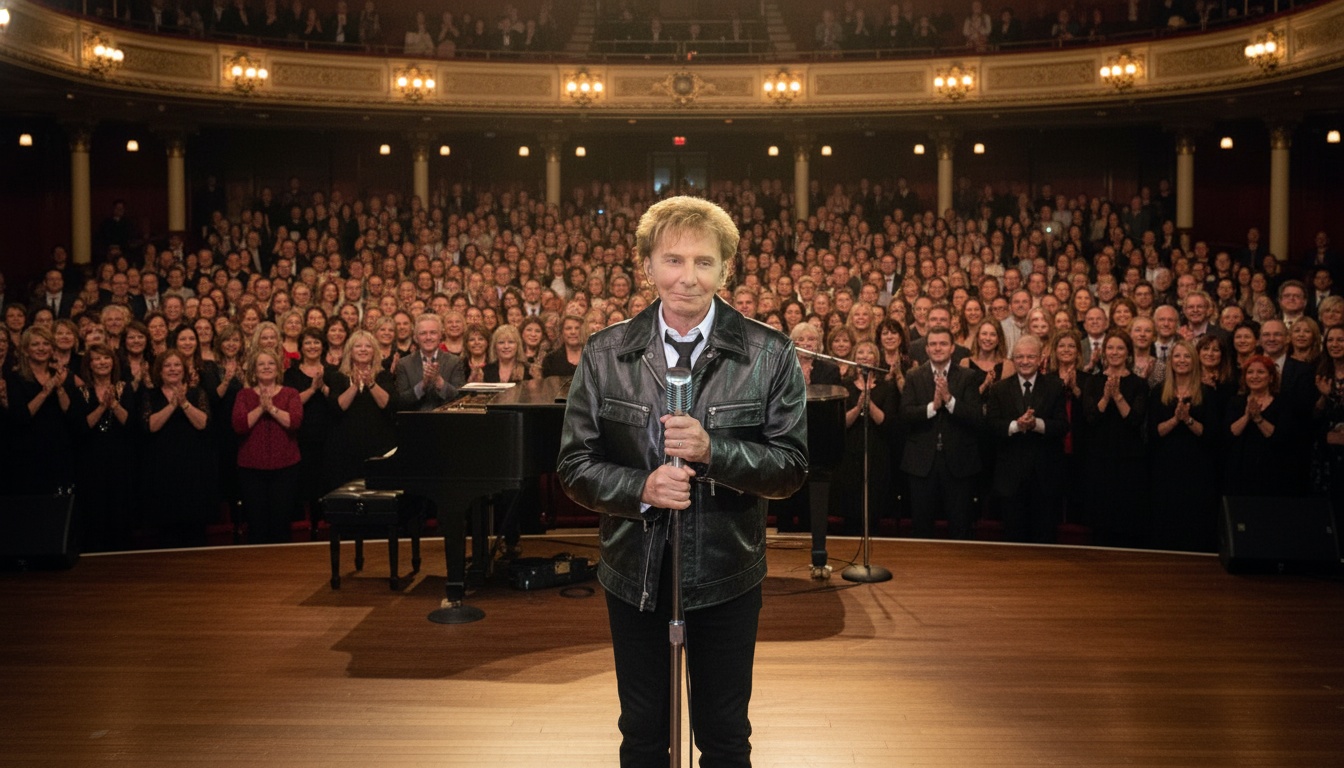
The resolution of “Once Before I Go” does not offer a grandiose climax, but rather a lingering thought. It leaves the listener in a state of quiet reflection on the inevitable passage of eras. When the final note of the single decays, the silence that follows is thick with the realization that we are witnessing the sunset of a specific kind of professional excellence. Manilow has used his final studio moment to ensure that his exit is as carefully composed as his greatest hits—a meticulous final bow that prioritizes the dignity of the song over the spectacle of the stage.