 By admin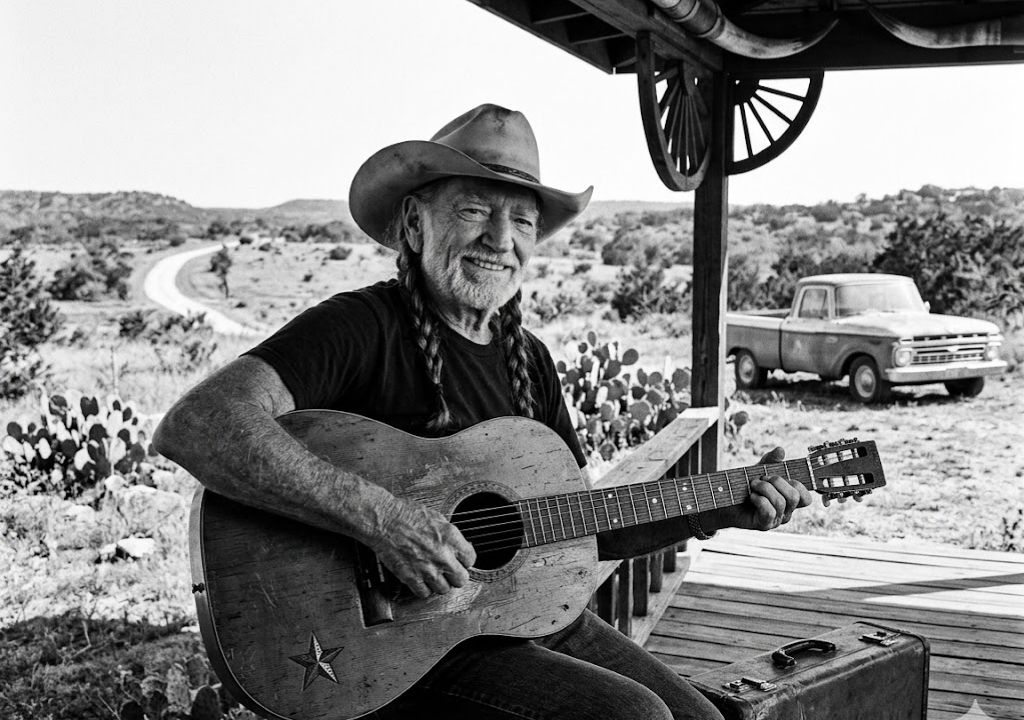
INTRODUCTION
The acrid scent of charred cedar and the smoldering ruins of his Ridgetop farmhouse in 1970 served as the ultimate, unvarnished catalyst for Willie Nelson. While others might have viewed the literal destruction of their sanctuary as a terminal tragedy, Nelson perceived it as a cosmic liberation from the stifling expectations of the Tennessee recording establishment. He didn’t just lose a house; he shed a skin that had become increasingly restrictive, signaling the end of his tenure as a clean-cut, Nashville-sanctioned songwriter and the birth of a cultural iconoclast. This pivot from the center of the country music industry to the peripheral hills of Texas would eventually recalibrate the genre’s global trajectory.
THE DETAILED STORY
The migration to Austin, Texas, in 1972 was not merely a change of zip code; it was a sophisticated rejection of the “Nashville Sound,” a production philosophy that prioritized orchestral polish over raw emotional resonance. In Austin, Nelson discovered a burgeoning counterculture where the traditional boundaries between country traditionalists and long-haired rock enthusiasts were dissolving at venues like the Armadillo World Headquarters. This convergence provided the necessary fertile ground for a sonic evolution that the meticulous gatekeepers of Music Row had previously deemed unmarketable. By integrating the improvisational spirit of jazz with the narrative foundations of honky-tonk, Nelson began to curate a persona that was both ancient and revolutionary.

The move allowed him to reclaim his creative agency, eventually leading to the signing of a landmark contract with Atlantic Records, and later Columbia, which granted him the unprecedented right of “final cut.” This autonomy bore fruit in the form of Shotgun Willie and the seminal Phases and Stages, albums that abandoned the assembly-line techniques of his previous era in favor of thematic cohesion and instrumental minimalism. The Austin residency facilitated a cultural bridge-building exercise that redefined the American demographic landscape. Nelson became the singular figure capable of uniting disparate factions—hippies and hard-hats alike—under a banner of “Outlaw Country,” a label that, while often romanticized, was grounded in a very pragmatic pursuit of artistic freedom.
Ultimately, Nelson’s exodus serves as a definitive case study in the necessity of environmental alignment for creative flourishing. It suggests that talent, while inherent, requires a specific cultural atmosphere to achieve its full potential. As he traded the rhinestones of the Grand Ole Opry for the denim of the Texas hill country, Nelson wasn’t just running away; he was meticulously constructing a legacy that would outlast the very institutions he left behind. His success proved that the periphery could, with enough conviction, become the new center of gravity for American music. If the fire at Ridgetop was the ending of a chapter, Austin was the foundation of an entire library.