 By admin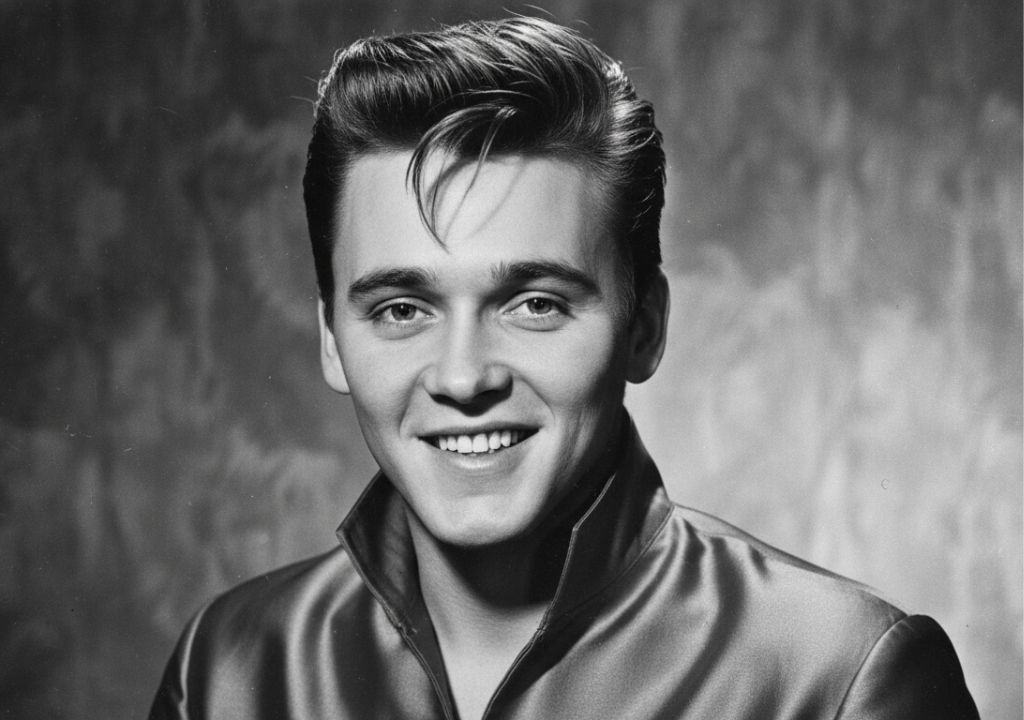

INTRODUCTION
The silhouette against the Mersey fog was unmistakable: a quiffed, leather-clad icon whose vocal range blurred the line between vulnerable crooner and raw rock protagonist. Long before the Fab Four occupied the global consciousness, Billy Fury—born Ronald Wycherley in the Dingle district of Liverpool—was the architect of a new musical paradigm. As we approach the summer of 2026, the city of Liverpool prepares to host the “Billy Fury Weekender,” an event that transcends mere nostalgia to examine the enduring DNA of a man who sold more records for Decca than the Rolling Stones.
THE DETAILED STORY
Scheduled for July 24 to July 26, 2026, at the nautical-themed Liner Hotel, the “Billy Fury Weekender” serves as a meticulous pilgrimage for those who recognize Fury as Britain’s first true rock auteur. Unlike his contemporaries who relied heavily on American imports, Fury was a pioneer of the self-penned album, with his 1960 masterpiece, The Sound of Fury, standing as a rare testament to artistic autonomy in a pre-Beatles world. The 2026 festival, curated by Yesterday Once More, features a high-fidelity lineup including Colin Paul & The Persuaders and Paul Ansell, artists dedicated to preserving the nuanced timber of Fury’s catalog.
The stakes of such a celebration extend beyond the rhythm of “Halfway to Paradise.” They touch upon the tragic paradox of Fury’s life: a man with a fragile heart—damaged by childhood rheumatic fever—who nevertheless projected a stage presence of volcanic intensity. His career was a race against time, a meticulous accumulation of 29 hit singles while living under the shadow of inevitable physical decline. This weekender acts as a cultural bridge, connecting the historic Cavern Club tributes to the bronze statue standing guard at Albert Dock, ensuring that the man who auditioned the young Beatles as his backing band remains a primary protagonist in the narrative of British music.

As fans gather from across the globe, paying between $315 and $450 for the immersive three-day experience, the atmosphere in Liverpool will be one of profound reverence. The city’s streets, once the playground of a young Ronnie Wycherley, will echo with the songs that taught a nation how to rock. It is a reminder that while empires rise and fall, the purity of a perfectly composed melody possesses a permanence that even time cannot erode. Fury’s legacy is not merely a memory; it is a living, breathing influence that continues to dictate the cadence of the British sound.