 By admin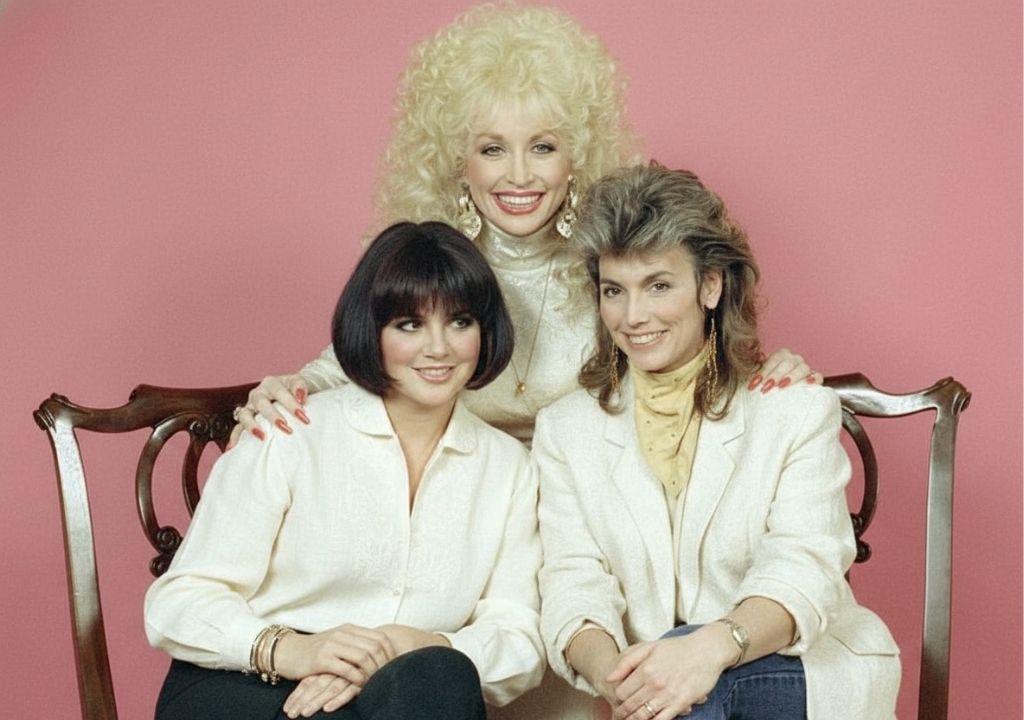
INTRODUCTION
The initial intersection of Linda Ronstadt and Emmylou Harris was not defined by professional rivalry, but by a spontaneous litmus test of artistic integrity. Meeting in the early 1970s, the two women—each a formidable force in the California folk-rock and country-rock scenes—quizzed one another on their favorite vocalist. When they answered “Dolly Parton” in near-unison, a paradigm shift occurred. This was more than a shared musical preference; it was the genesis of a rare, non-competitive kinship in an industry often predicated on the isolation of solo stars. By the time they officially joined forces with Parton herself, they were not merely forming a supergroup; they were constructing a sanctuary of vocal excellence that would eventually challenge the very structural foundations of Nashville’s male-dominated hierarchy.
THE DETAILED STORY
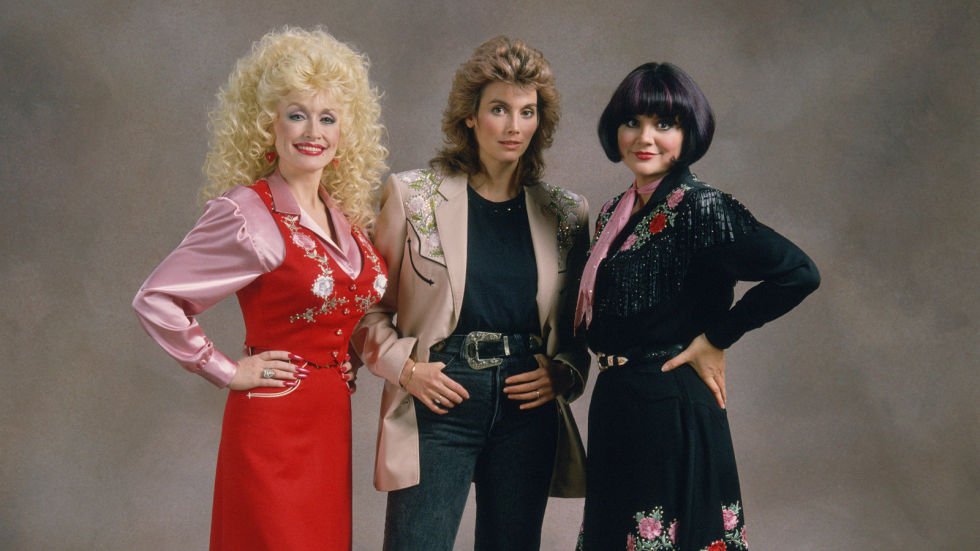
The narrative of “The Trio” is one of meticulous patience and administrative defiance. While the chemistry between Ronstadt, Harris, and Parton was instantaneous—first captured by the public during a 1976 episode of the television variety show Dolly!—the path to a definitive recording was obstructed by a labyrinth of conflicting contracts and territorial record labels. For over a decade, the three women functioned as a subterranean support network, contributing harmony vocals to one another’s solo projects while their collective album remained a tantalizing, unreleased myth. This period of “thwarted collaboration” served to deepen their personal bonds, transforming their professional association into a lifelong sisterhood that transcended the fickle nature of the Billboard charts.
When the landmark album Trio was finally released on 03/02/1987, it arrived as a masterclass in acoustic precision. Produced by George Massenburg, the sessions were notable for their intellectual rigor and the absolute authority wielded by the three women. Massenburg famously observed that the artists were in total control of the creative architecture, rejecting industry expectations in favor of a traditional, “mountain music” sound that felt both ancient and revolutionary. The success of the project—achieving platinum status and winning two Grammy Awards—validated their collective intuition. They proved that three distinct, high-profile egos could dissolve into a singular, haunting frequency, creating a vocal blend that many critics likened to a “celestial serum.”
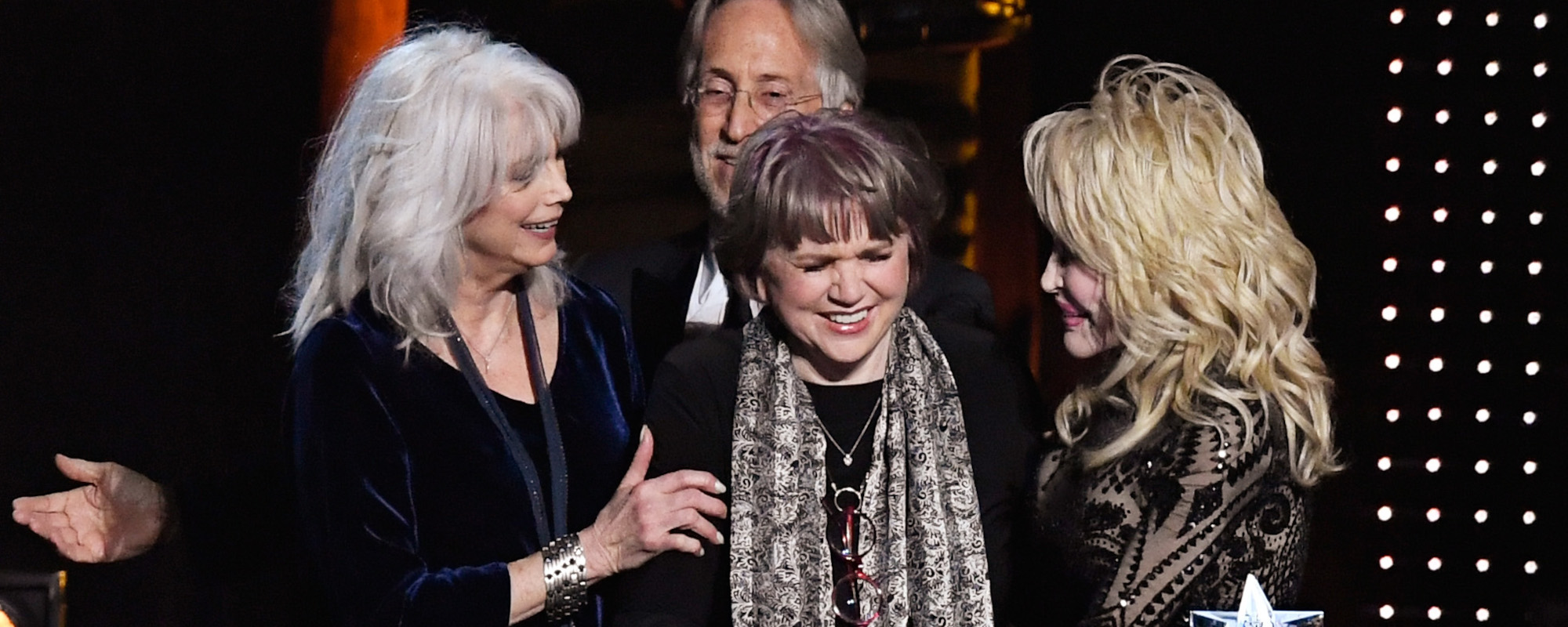
The legacy of this friendship shifted from the studio to the sphere of profound human resilience in later decades. As Linda Ronstadt faced the gradual onset of Progressive Supranuclear Palsy, which silenced her singing voice, the Trio’s bond transitioned into a meticulous care network. Harris and Parton remained constant fixtures in Ronstadt’s life, a testament to the fact that their alliance was never merely a commercial arrangement. Their story stands as an authoritative refutation of the “diva” archetype, suggesting instead that the most enduring power in the entertainment industry is found in the unwavering support of peers. It remains a definitive chapter in American music—a reminder that while individual fame is a fleeting variable, the architecture of a true sisterhood is inevitable and eternal.