 By admin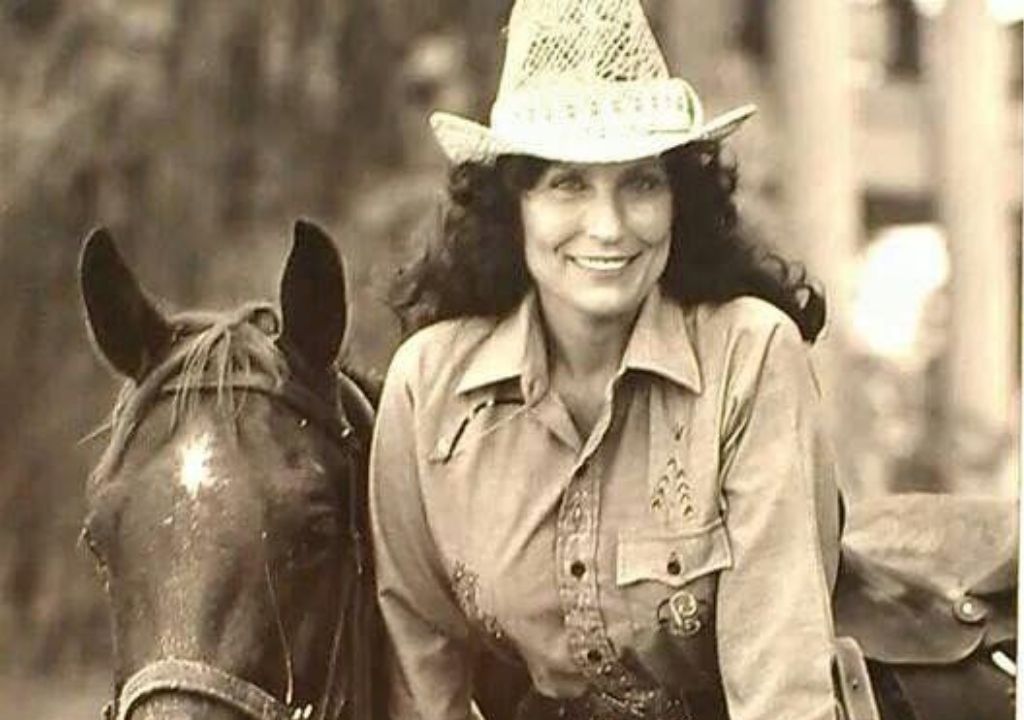

INTRODUCTION
In the autumn of 1966, a signature on a deed for a nearly derelict $250,000 plantation in Middle Tennessee signaled the birth of a new paradigm in celebrity entrepreneurship. While the Nashville establishment viewed the acquisition of Hurricane Mills as a whimsical real estate indulgence, Loretta Lynn was quietly executing a masterstroke of horizontal integration. She did not merely purchase a home; she acquired an entire municipality, including its post office, a historic grist mill, and three dozen vacant houses. This bold maneuver transformed the “Coal Miner’s Daughter” from a chart-topping vocalist into an astute land baroness, setting a meticulous precedent for artist-owned infrastructure that remains a gold standard in the American south.
THE DETAILED STORY
The genius of Lynn’s business model lay in her refusal to outsource the “Loretta Lynn Experience.” During an era when her peers were content with royalties and touring stipends, Lynn recognized that the true longevity of a brand required a physical, immersive anchor. By the mid-1970s, she had meticulously converted the town’s historic structures into a cohesive tourist ecosystem. The grist mill became a museum, and the surrounding 3,500 acres were repurposed into premier campgrounds. This was not merely a vanity project; it was a sophisticated exercise in self-reliance, providing a steady stream of revenue that remained immune to the volatile cycles of the music industry.
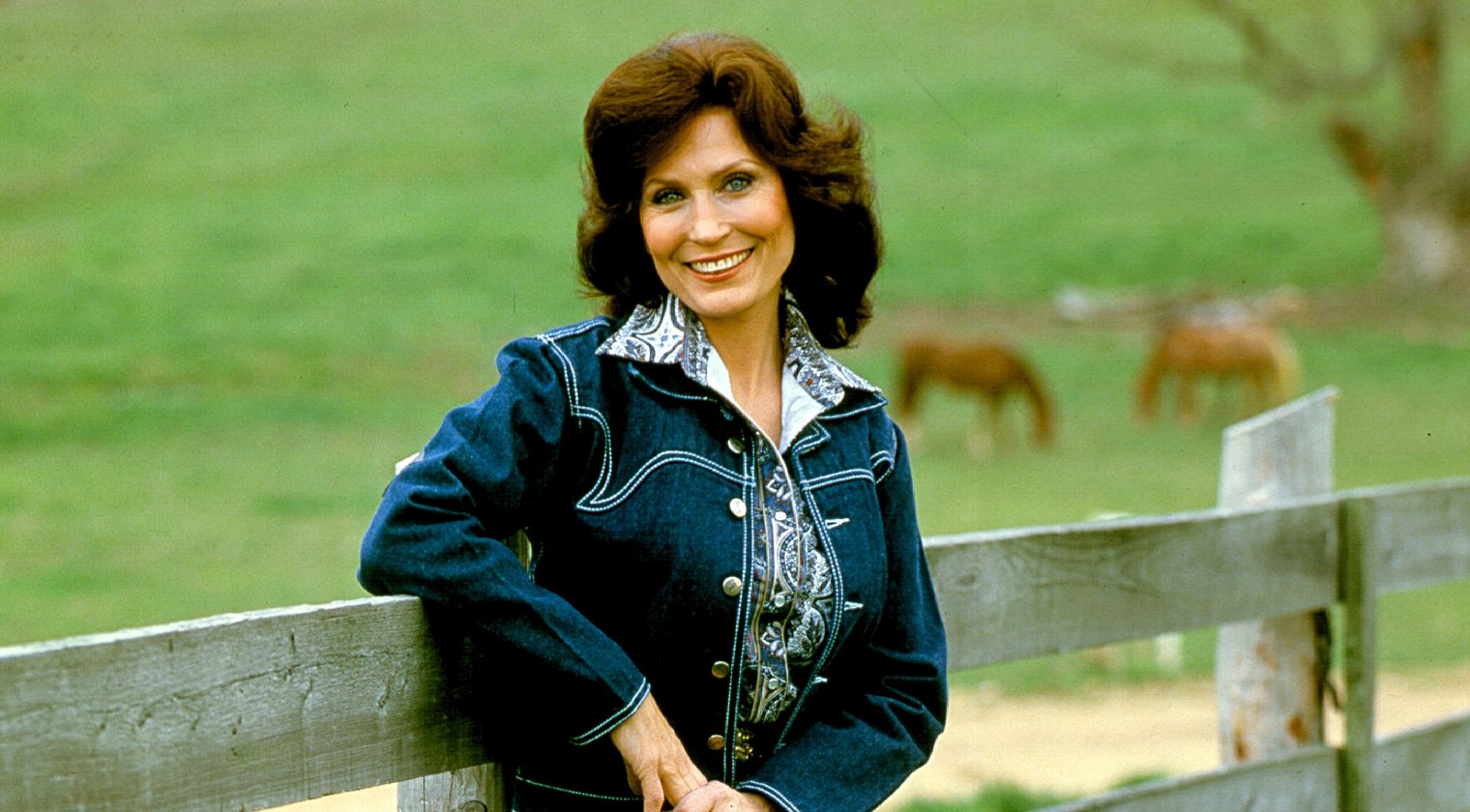
Central to her success was the nuance of “narrative marketing.” Lynn understood that her fans desired a tactile connection to the triumphs and struggles articulated in her lyrics. By opening her ranch to the public, she effectively commodified her life story into a destination, allowing visitors to walk the same trails and visit a replica of her childhood cabin. This strategy anticipated the modern “experience economy” by decades. She maintained absolute control over her intellectual property and her physical surroundings, ensuring that every dollar spent at Hurricane Mills directly supported the Lynn estate rather than a distant corporate entity.
Furthermore, Lynn’s expansion into the world of sports—most notably the establishment of the Loretta Lynn Amateur National Motocross Championship in 1982—demonstrated an uncanny ability to diversify her audience. By inviting a high-octane, youth-oriented subculture onto her pastoral grounds, she ensured the ranch’s relevance across multiple generations. This diversification was not accidental; it was a deliberate strategy to decouple the property’s value from her own performance schedule. In doing so, she became the architect of her own autonomy, proving that the ultimate power for a female artist in the 20th century was not just a seat at the table, but ownership of the table itself. Today, Hurricane Mills stands as a testament to the fact that while talent may open doors, it is the sharp, relentless application of business acumen that builds empires.