 By admin
Introduction
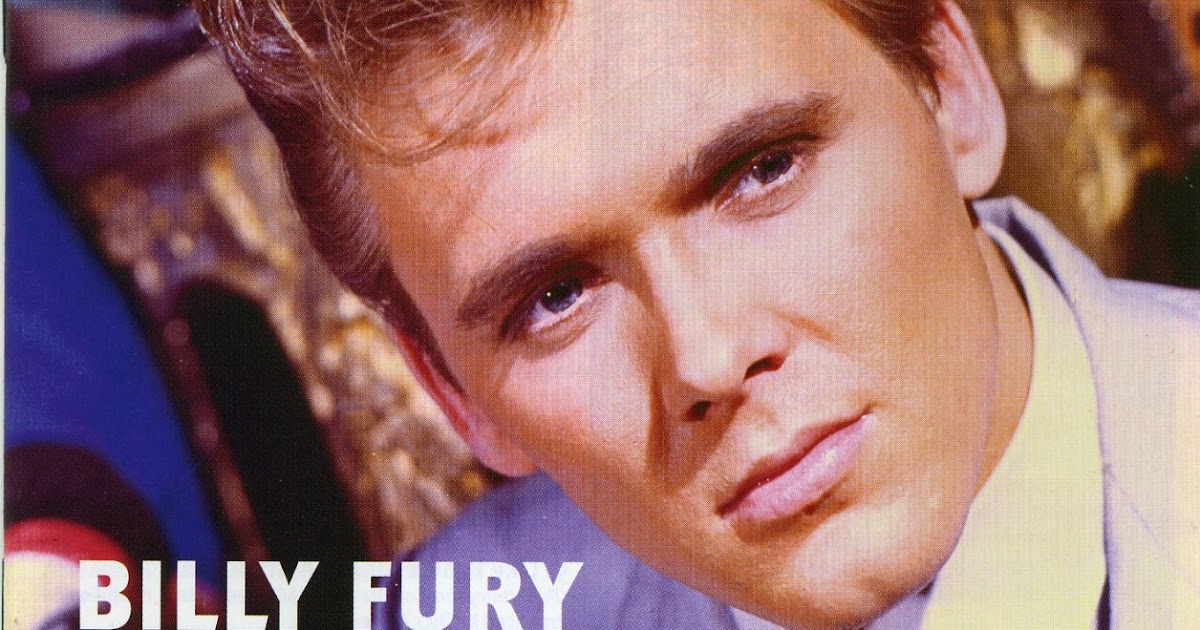
Imagine the humidity of a crowded dance hall in 1960. The air is thick, not just with cigarette smoke, but with a palpable, vibrating tension that feels almost electrical. It isn’t the anticipation of a song; it is the anticipation of a physiological event. When the curtain rises, standing there in a gold lamé suit that clings to him like a second skin, is a man who looks less like a singer and more like a fallen angel. This is Billy Fury, and for the young women of Britain, he is about to become a dangerous addiction.
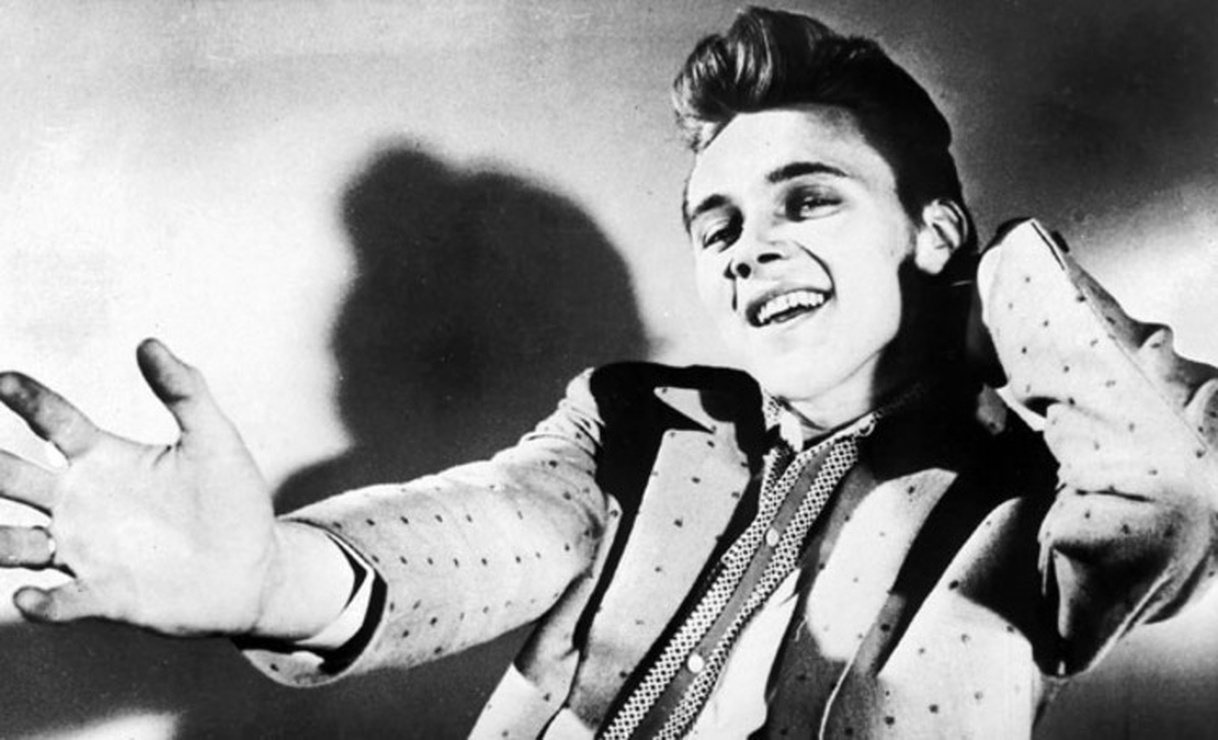
While history books often polish the badges of Elvis Presley or Cliff Richard, they conveniently sanitize the raw, unadulterated danger of Billy Fury. He was the “Bad Boy” before the term was commodified. But this wasn’t an act. The “Sex Symbol” label we throw around today feels cheap compared to the hysteria Fury incited. We are talking about a magnetism so potent, so “lethal,” that St. John Ambulance brigades had to be stationed inside the venues, not just for dehydration, but for the sheer shock induced by his movements.
What was it about this shy boy from Liverpool that unlocked such primal chaos? It was the paradox. Off-stage, Ronald Wycherley (his real name) was quiet, unassuming, almost fragile—a vulnerability that triggered the “maternal” instinct in his female fanbase. But the moment the spotlight hit him, a switch flipped. He became Billy Fury, a creature of pure libido. He didn’t just move his hips; he weaponized them. His gaze—often described as “bedroom eyes” on overdrive—didn’t scan the crowd; it seemed to lock onto every single girl in the room individually, promising them a secret.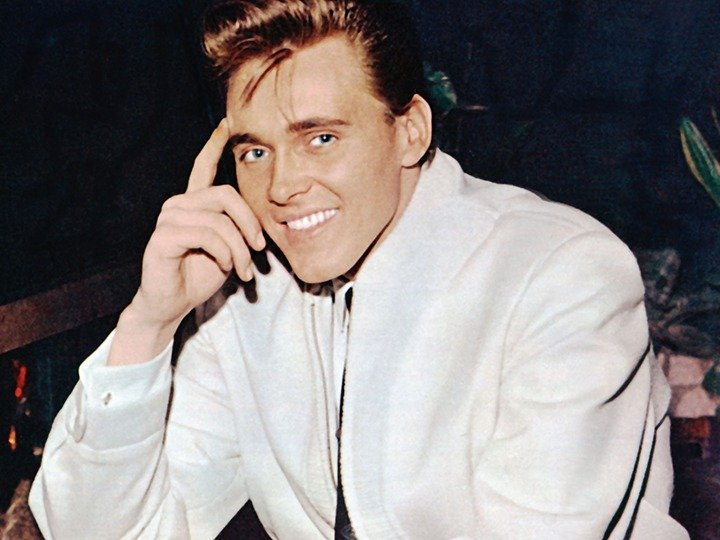
The 1960s was a decade of repression colliding with expression, and Fury was the spark that ignited the explosion. He offered something forbidden. While other idols were safe enough to bring home to mother, Billy was the one you climbed out the window to see. His sex appeal wasn’t manufactured by a PR team; it was organic, sweaty, and undeniably real. He represented the danger of letting go. To analyze his appeal is to analyze the sexual awakening of a generation of women who were told to be “good,” only to find out that being “bad” felt a whole lot better. We are peeling back the layers of this forgotten hysteria to understand why, for a brief, shining moment, Billy Fury was the most dangerous man in music.