 By admin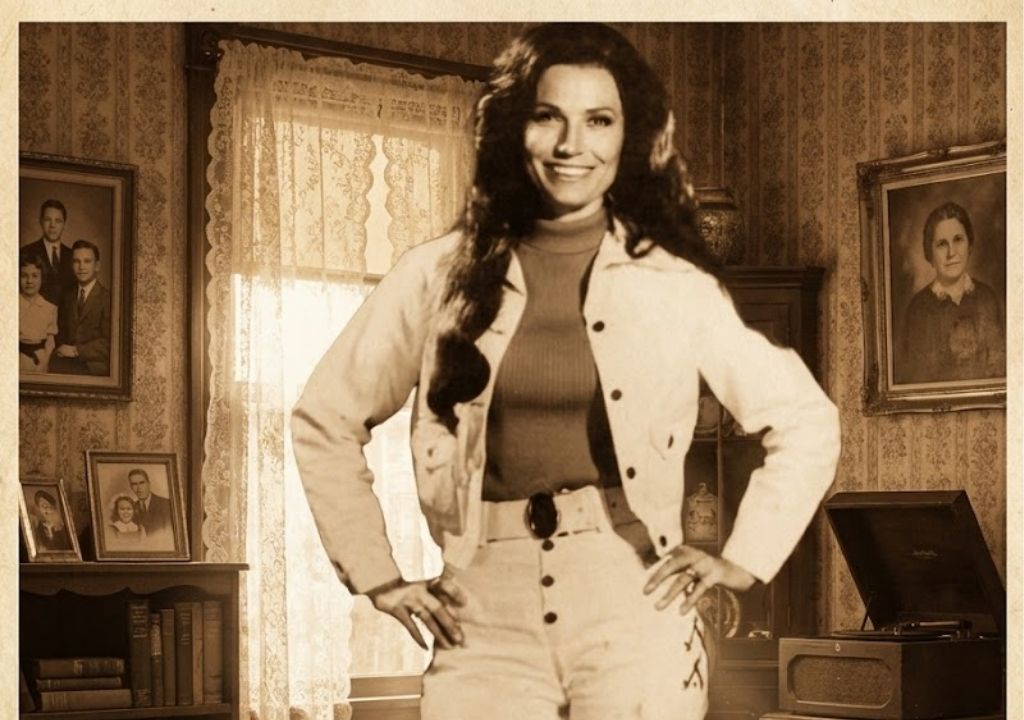
INTRODUCTION
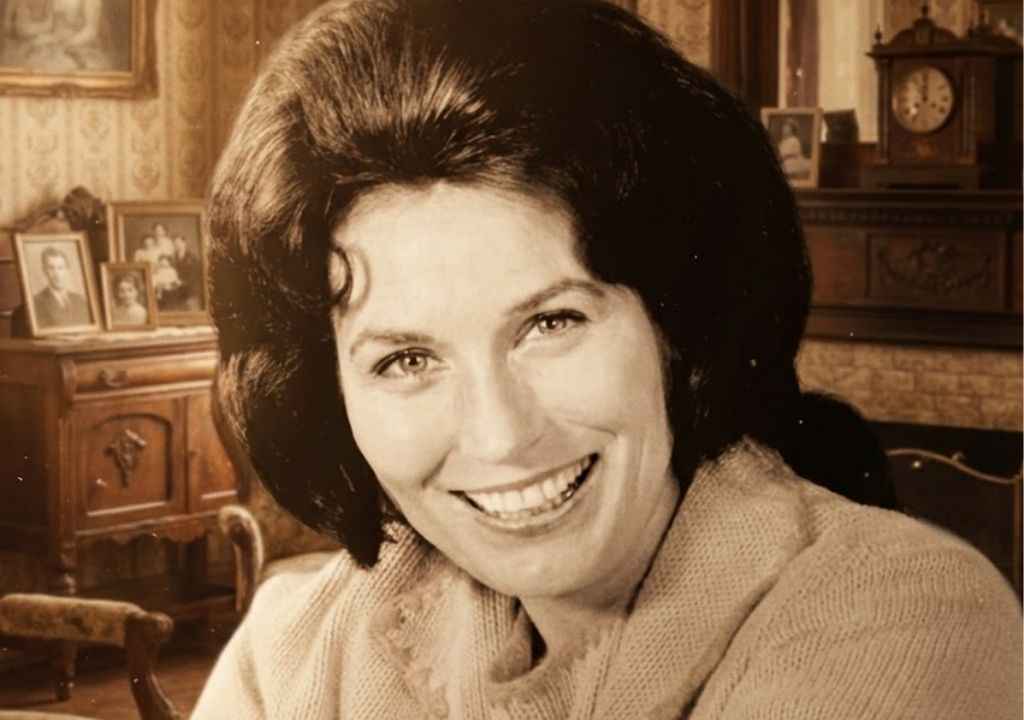
The interior of the “Silver Eagle” tour bus in the 1970s was a singular ecosystem—a confined space where the scent of hairspray and stage makeup often mingled with the domestic aromas of home-cooked meals and the palpable energy of young children. For Loretta Lynn, the road was not an escape from domesticity but a mobile extension of it. While her contemporaries in the Nashville establishment were often marketed through singular, sanitized personas, Lynn operated within a complex duality: she was simultaneously the most prolific female hitmaker in country music history and a mother of six navigating the logistical labyrinth of a burgeoning dynasty. This was not merely a lifestyle choice; it was a radical assertion of sovereignty in an era that demanded women choose between the nursery and the spotlight.
THE DETAILED STORY
The narrative of Lynn’s motherhood is frequently eclipsed by the towering success of her discography, yet the two are intellectually inseparable. By the time “Coal Miner’s Daughter” reached the apex of the charts, Lynn was already managing the divergent needs of six children—Betty Sue, Jack Benny, Ernest Ray, Cissy, and twins Peggy and Patsy. The meticulous orchestration required to sustain a career that demanded 300 days a year on the road while ensuring the stability of her family remains a marvel of mid-century time management. Unlike the polished, detached stars of the modern era, Lynn’s maternal identity was woven into the very fabric of her professional output. Her songs regarding reproductive autonomy and the nuances of the domestic sphere were not abstract theories; they were dispatches from the front lines of her own lived experience.

This paradigm of the “working mother” was, for Lynn, an exercise in high-stakes transparency. She refused to hide the reality of her large family, often bringing her children into the professional fold to ensure their proximity. This decision created a unique cultural friction; she was a pioneer who sang about the “The Pill” while embracing a traditional, expansive family structure. This juxtaposition offered a nuanced perspective on feminism that resonated deeply with the American working class. It suggested that a woman’s power was not found in the rejection of maternal roles, but in the authority to define those roles on her own terms. The inevitability of her influence is seen today in her children’s active stewardship of her estate, a transition that reflects a legacy built on genuine connection rather than mere proximity to fame.
As we examine Lynn’s career through the lens of 2026, her ability to maintain this equilibrium appears increasingly prophetic. She anticipated the modern struggle for work-life integration by decades, proving that the most enduring legacies are those built on the bedrock of human vulnerability and maternal grit. The authoritative weight of her life’s work suggests that her greatest achievement was not the trophies or the accolades, but the successful navigation of a world that told her she couldn’t have it all—only to watch her build it anyway.