 By admin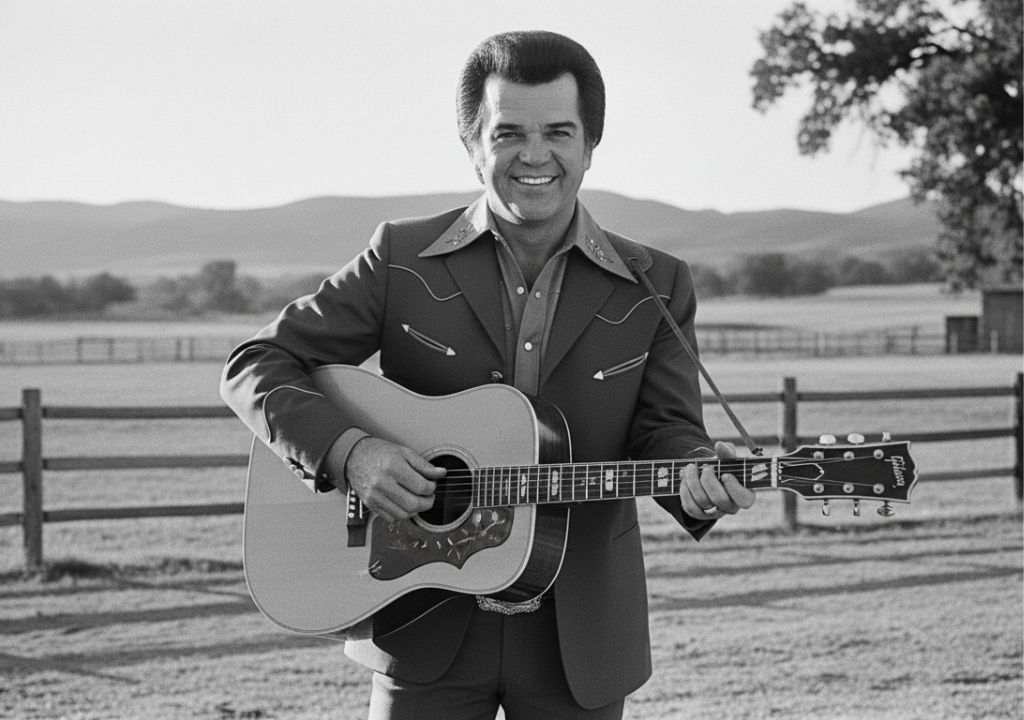
Introduction
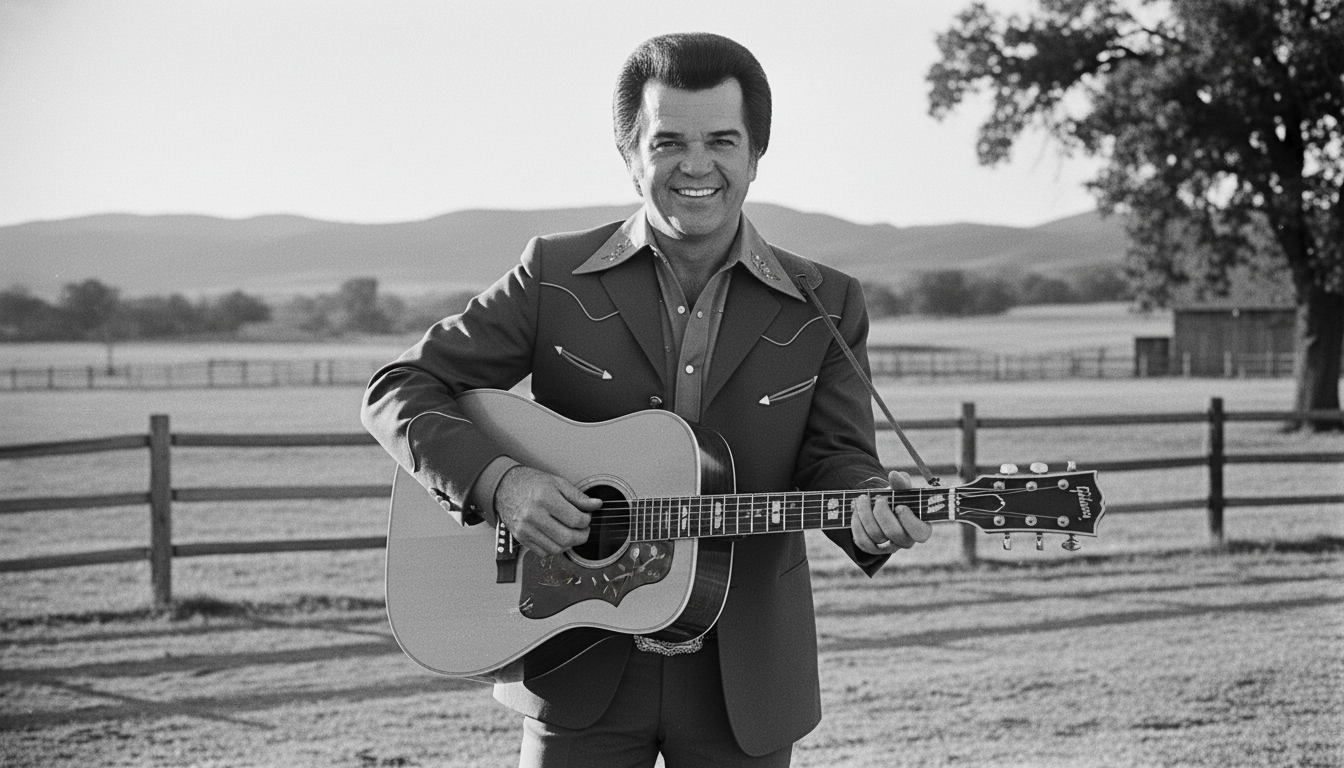
There are moments in music that define an era, and then there are moments that define a feeling. In 1970, when the needle dropped on a new country record, the world didn’t just hear a song; they heard a friend. Conway Twitty’s “Hello Darlin’” began with a spoken greeting so intimate it felt like he was standing right in your living room. Today, we look back at how that simple “Hello” changed country music forever.
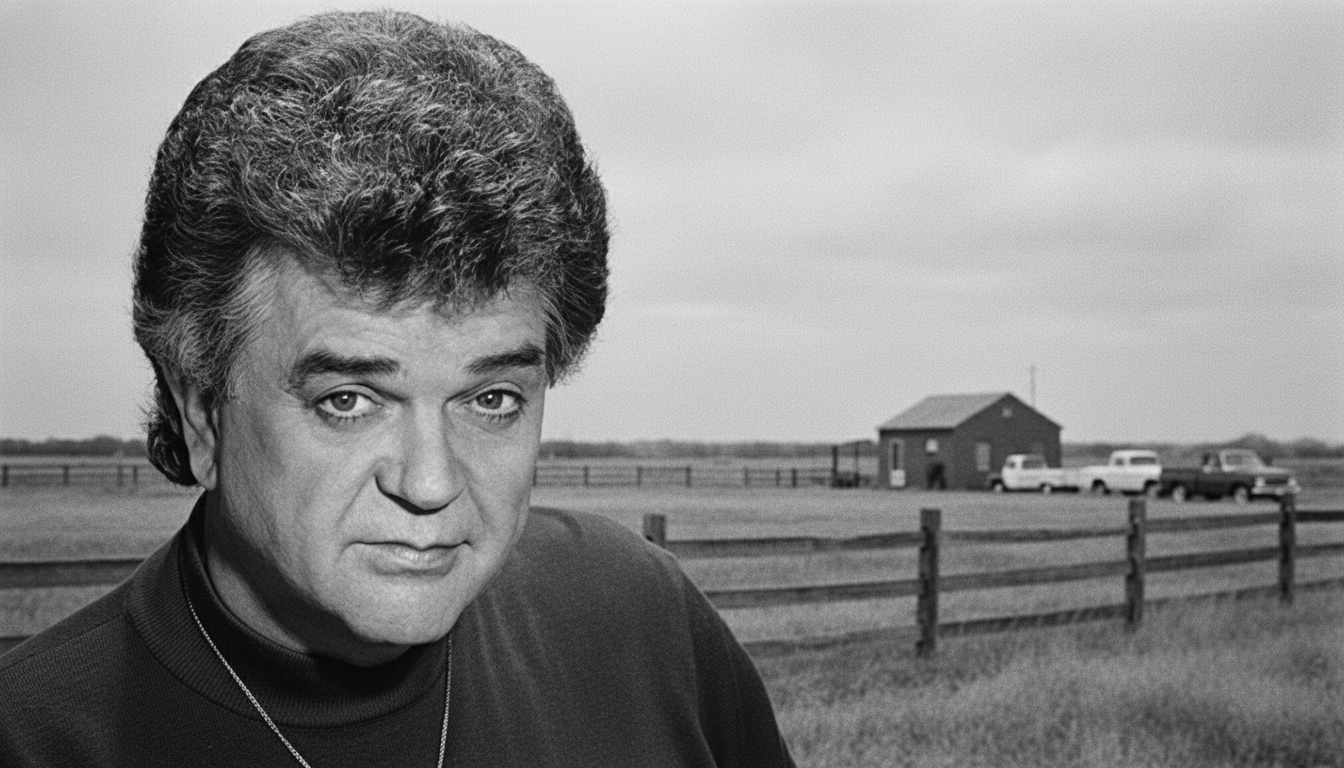
The Detailed Story By 1970, Conway Twitty had already successfully transitioned from a rockabilly heartthrob to a country music powerhouse. However, he was looking for something that would truly solidify his identity in the Nashville scene. He found it in a song he wrote himself—a song about regret, lost love, and the bittersweet nature of running into someone who still holds your heart.
The magic of “Hello Darlin’” wasn’t just in the melody, but in the delivery. When Conway entered the studio, he decided to forgo a traditional musical intro. Instead, he opted for that whispered, gravelly-sweet spoken opening. It was a risky move at the time, but it paid off instantly. That “Hello Darlin’” became his signature, a “sonic trademark” that fans would cheer for the moment they heard the first syllable for the next twenty years.
The song resonates so deeply with the “Silver” generation because it speaks to the universal experience of “the one who got away.” It doesn’t lean into bitterness; instead, it carries a dignified sadness and a genuine wish for the other person’s happiness (“I’m glad things are going great for you”). This emotional maturity set Conway apart from his peers. He wasn’t just singing at his audience; he was conversing with them.
Musically, the song is a masterclass in 1970s country production. The steel guitar swells perfectly mimic the internal ache of the lyrics, and Conway’s vocal performance is impeccable—shifting from that low, resonant speaking voice to a rich, soaring tenor. It spent four weeks at number one on the Billboard country charts and became the most played country song of 1970. For those of us who remember hearing it on the car radio while driving to work or on the kitchen transistor, it remains the ultimate “Morning Sunshine” track—a reminder of a time when music had a soul you could reach out and touch.