 By admin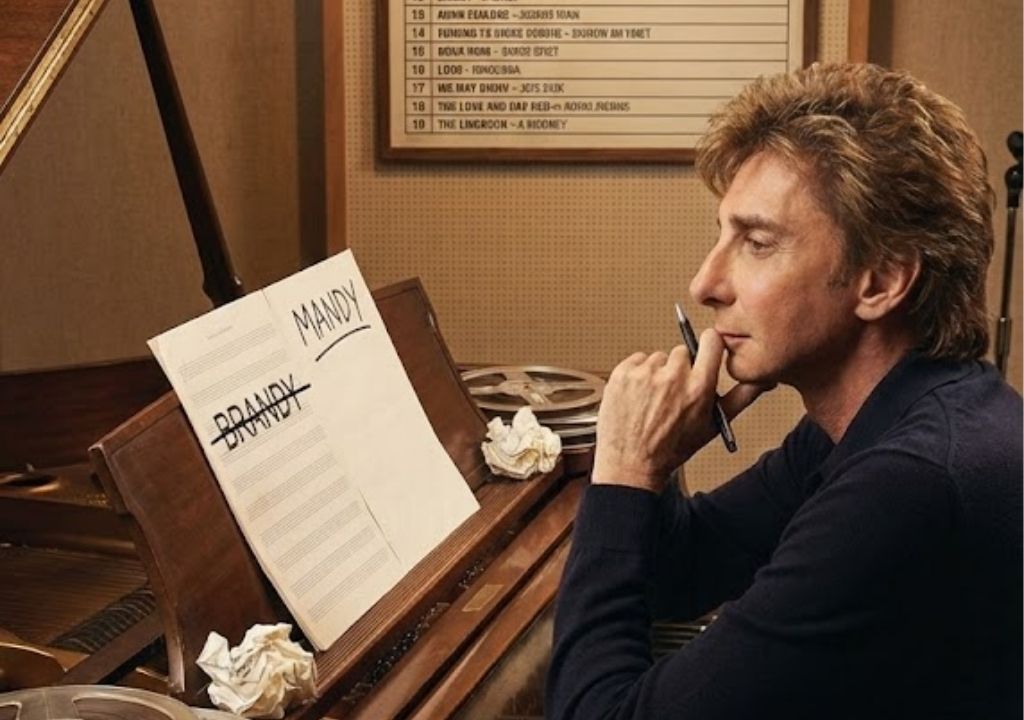
INTRODUCTION
In the autumn of 1974, within the high-pressure corridors of the newly minted Arista Records in New York City, Clive Davis stood before a young, classically trained pianist who was primarily known as Bette Midler’s musical director. In his hands was a song originally titled “Brandy,” a modest 1971 UK hit by Scott English. However, the American airwaves were already saturated by Looking Glass’s 1972 smash “Brandy (You’re a Fine Girl).” To release another “Brandy” would have been professional suicide—a redundant signal in a crowded frequency. The solution was as simple as it was transformative: a meticulous pivot to the name “Mandy,” a change that would fundamentally alter the trajectory of American popular music.
THE DETAILED STORY

The evolution of “Mandy” is a masterclass in the intersection of artistic intuition and commercial strategy. When Manilow first approached the track, it was a mid-tempo rock song with a rhythmic grit that felt incongruous with his emerging persona. Under the sophisticated guidance of Clive Davis, Manilow began to dismantle the original sonic architecture. He slowed the tempo, stripped away the aggressive percussion, and placed the emphasis on a solitary, vulnerable piano arrangement. This transition from a rock aesthetic to a definitive power ballad was a paradigm shift for the industry. However, the nomenclature remained the final hurdle. The decision to rename the song “Mandy” was not merely a tactical avoidance of Looking Glass; it was a rebranding that allowed the lyrics to breathe with a newfound, universal intimacy.
The stakes were immense. This was the debut single for Davis’s Arista Records, and Manilow was far from a guaranteed success. On 01/18/1975, the gamble reached its inevitable crescendo: “Mandy” ascended to the #1 spot on the Billboard Hot 100. The success of the song validated a specific musical philosophy—that a meticulously crafted ballad, delivered with authentic emotional resonance, could command the attention of a global audience. This hit became the cornerstone of a career that would eventually include fifty Top 40 singles and millions of albums sold. The nuance of the name change served to give the song its own distinct identity, untethered from the ghosts of previous recordings.

Looking back from the vantage point of 2026, the story of “Mandy” serves as a reminder of the fragility of fame and the importance of professional foresight. Had Manilow insisted on the original title, the song might have been dismissed as a redundant cover rather than being embraced as a foundational anthem of the 1970s. The song’s legacy is now woven into the fabric of the Great American Songbook, a testament to the fact that in the world of high-stakes entertainment, the smallest detail—a single name—can be the difference between a forgotten demo and an immortal hit. It remains an authoritative example of how a legend is often born in the quiet, decisive moments of a recording studio.