 By admin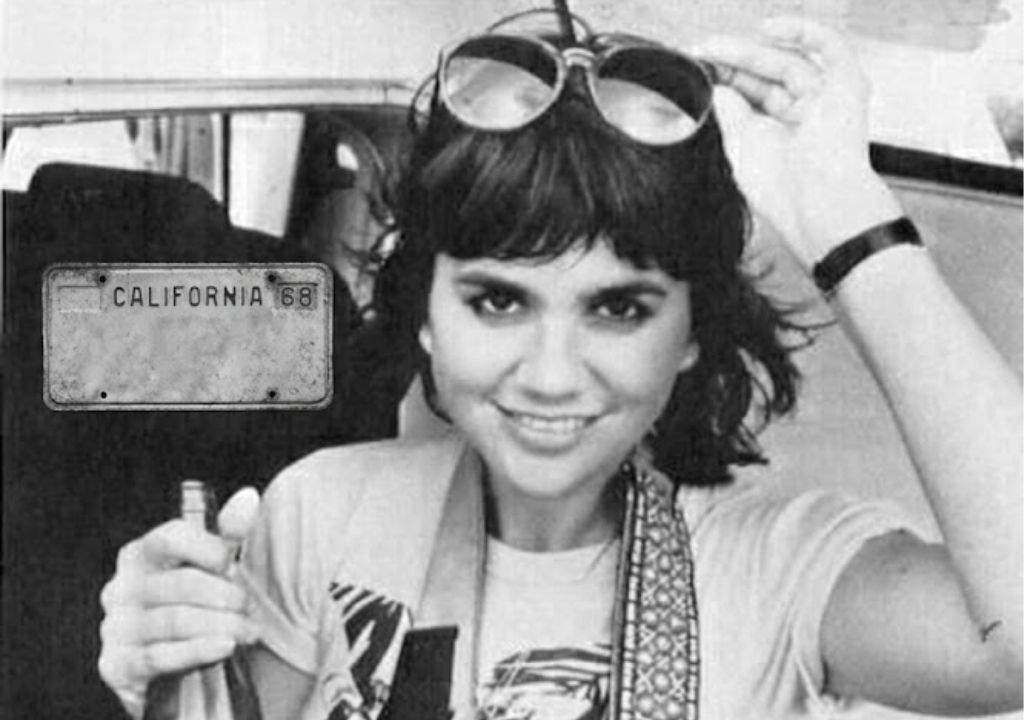
Introduction
The Silent Song of a Legend: Linda Ronstadt’s Radical Surrender and the Heritage That Saved Her
In the golden era of rock and roll, one voice reigned supreme. Dubbed the “First Lady of Rock,” Linda Ronstadt didn’t just sing songs; she conquered genres. With over 100 million albums sold and a historic run as the first female artist to achieve four consecutive platinum records, her sultry, powerhouse vocals were the soundtrack of a generation. From Broadway to country, and pop to traditional Mexican rancheras, Ronstadt was a shapeshifter of sound.
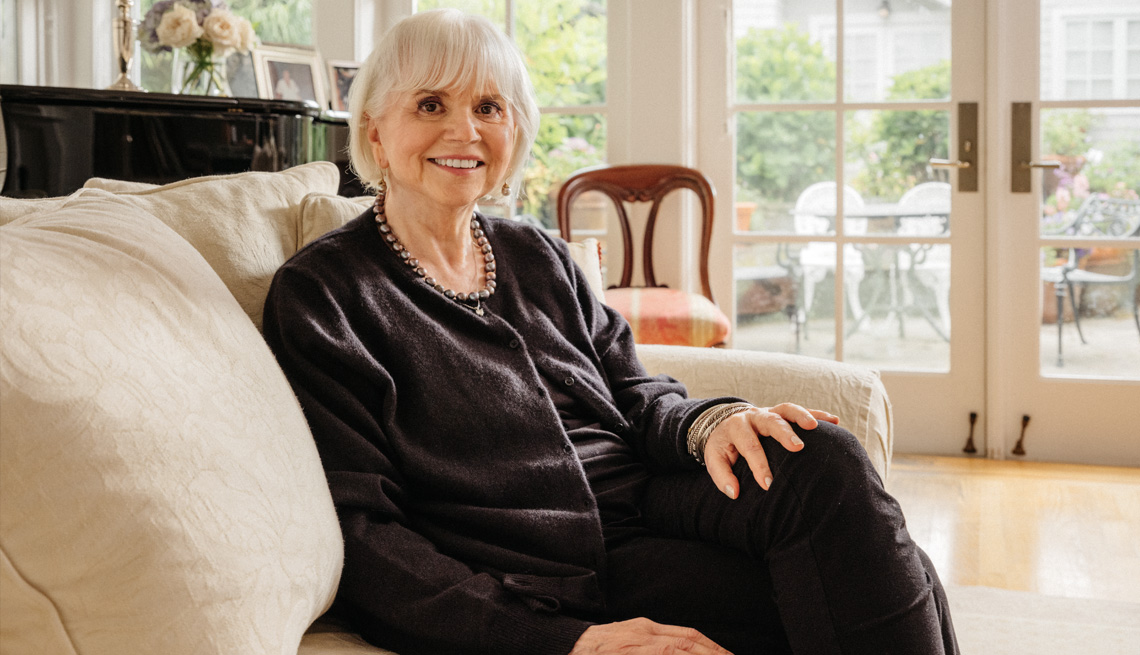
But today, at 76, the stage is silent. The voice that once mesmerized millions has been hushed by a cruel thief: Progressive Supranuclear Palsy. This rare neurological condition, similar to Parkinson’s, has robbed her of the ability to sing and made even the simplest task—like holding a spoon—a daily battle.

“I sing in my brain,” Ronstadt reveals in a poignant new interview. “It’s not quite the same.” Sometimes her mind chooses the melody; other times, it’s haunted by the “blur” of unwanted tunes. Yet, in this forced silence, Linda Ronstadt has found a new way to speak.
Her latest memoir, Feels Like Home: A Song for the Sonoran Borderlands, is more than just a book; it is a vibrant reclamation of her identity. Growing up along the Arizona-Mexico border, Ronstadt’s childhood was a tapestry of Mexican traditions, cuisine, and music. “I loved singing with my family,” she recalls. “We didn’t talk politics… we’d sing.”
This deep-rooted connection to her Mexican heritage wasn’t always supported by the industry. In the 90s, record executives warned that recording a Spanish-language album would “destroy” her career. Ronstadt, ever the rebel, ignored them. She saw the invisibility of Mexican culture in America—how a community was often relegated to the “kitchen or the cleaning closet”—and chose to bring their stories to the center stage. Her Spanish albums became some of the best-selling in history.
Her personal life was equally unconventional. Despite high-profile romances with California Governor Jerry Brown and filmmaker George Lucas, Ronstadt never married, choosing instead to adopt two children on her own. Her reason? A witty, blunt self-awareness: “I think there’s such a thing as adult-onset narcissism. I just wasn’t cut out for it.”

As she navigates the twilight of her life, Ronstadt speaks of “Radical Surrender.” To have the greatest gift you’ve ever known—your voice—taken away, and to meet that loss with acceptance rather than bitterness, is a spiritual feat. She admits to having a few regrets, though she playfully keeps them to herself, clinging to the wisdom passed down from her mother: “Don’t learn to type, or you’ll be stuck doing it forever.”
Linda Ronstadt may no longer fill stadiums with her physical voice, but through her writing and her unwavering spirit, she continues to sing. It is a song of heritage, of resilience, and of a woman who refused to be anything but herself. For the fans who still hear her melodies in their hearts, she remains, as always, a powerhouse of the human soul.