 By admin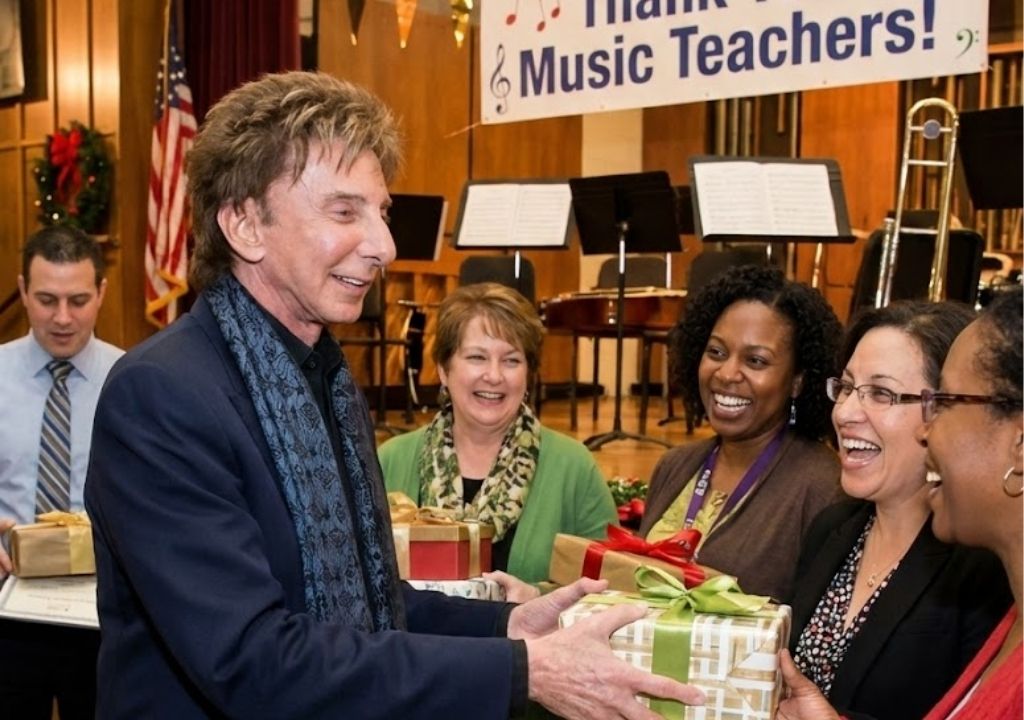

INTRODUCTION
Inside the hushed, cavernous rehearsal space of a public high school, the scent of valve oil and aged sheet music provides a sharp contrast to the high-gloss production values of a global arena tour. It is here, in these underfunded sanctuaries of sound, that the true architecture of American music is drafted. For Barry Manilow, the 02/27/2026 commencement of “The Last Sunrise” tour in Tampa is not merely a sequence of farewell performances; it is a meticulously planned offensive against the silence creeping into music education budgets. By integrating the “Manilow Music Teacher Award” into every stop of his 2026 itinerary, the legendary showman is intentionally shifting the gaze of his massive audience toward the podiums where the next generation of talent is forged.
THE DETAILED STORY
The mechanism of the Manilow Music Teacher Award is as precise as a Broadway arrangement. In each tour market, local communities participate in a democratic selection process to identify a teacher whose dedication has transcended the limitations of their department’s fiscal reality. The prize is a definitive $10,000 USD grant: $5,000 awarded as a personal cash prize to the educator and $5,000 in “Manilow Bucks” specifically earmarked for the purchase of new classroom instruments. This initiative, executed through the Manilow Music Project—a cornerstone of the broader Manilow Fund—addresses a critical paradigm in the arts. While the headliner commands the marquee, the health of the industry relies on the meticulous, often unrecognized, work of the mentor.
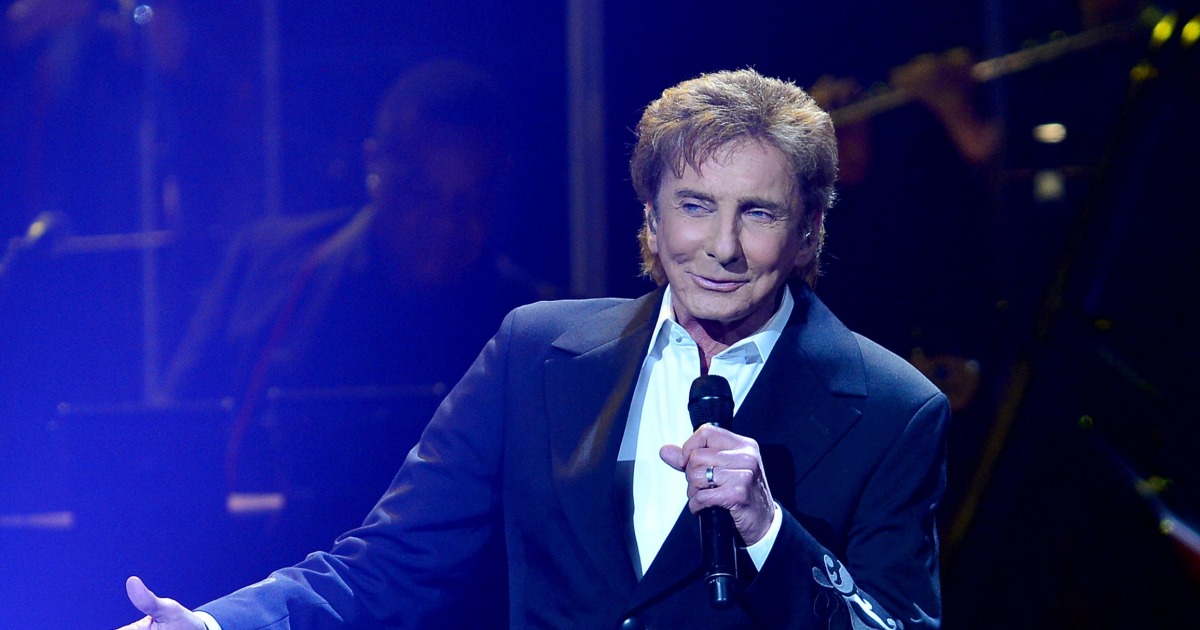
The inclusion of this award in the 2026 farewell cycle is a calculated move that ensures his final bow is synonymous with the concept of reinvestment. By the time the tour reaches its zenith, Manilow will have funneled hundreds of thousands of dollars into school districts where instruments are often held together by little more than hope and duct tape. There is a profound nuance in this gesture; it acknowledges that the “Manilow” sound is a derivative of the public school music programs that initially shaped his own burgeoning talent in Brooklyn. This isn’t charity; it is a professional restoration of the ecosystem that allows an artist to rise from a student with a trumpet to an icon with an Emmy, Tony, and Grammy.
As the industry observes the final legs of this storied career, the Manilow Music Teacher Award stands as the most enduring piece of his Narrative Architecture. The award ceremony, held live on stage amidst the hits that have defined a century of pop, serves to humanize the scale of his success. It connects the subject’s actions to the broader human theme of stewardship—the inevitable responsibility of the master to protect the apprentice’s path. When the final note of “The Last Sunrise” eventually fades, the resonance will continue not just in the digital archives of his hits, but in the polished brass and woodwinds of a thousand classrooms. True legacy, it seems, is not what we take from the stage, but what we leave behind in the hands of a child.