 By admin

INTRODUCTION
The scent of isopropyl alcohol and the clinical click of a plastic dispenser seem anathemic to the rhinestones of the Grand Ole Opry, yet in 1975, they became the symbols of a cultural insurrection. Loretta Lynn, the “Coal Miner’s Daughter” who had personified the traditional Appalachian matriarch, stepped into a Nashville recording booth to deliver a three-minute ode to the birth control pill. It was not a protest anthem in the urban, collegiate sense; it was a gritty, first-person account of a woman reclaiming her physical autonomy from the relentless cycle of pregnancy. By the time the final chord faded, the song had sparked a structural crisis in American broadcasting, forcing a conservative industry to confront the inevitable arrival of the sexual revolution in the rural heartland.
THE DETAILED STORY
The tension surrounding “The Pill” stemmed from its refusal to use euphemism. While her contemporaries sang of heartbreak and domestic fidelity, Lynn addressed the physiological toll of bearing six children. The lyrics depicted a woman “tired of all your crowin'” and “makin’ up for lost time,” signaling a shift in the power dynamic of the American marriage. The industry response was swift and draconian: over 60 radio stations across the United States pulled the track from their rotations. They viewed the song not as art, but as a dangerous endorsement of moral decay. However, the attempt to suppress the narrative backfired spectacularly. The vacuum created by the radio ban was filled by a massive surge in consumer demand, as women across the country recognized their own lived experiences in Lynn’s unapologetic delivery.
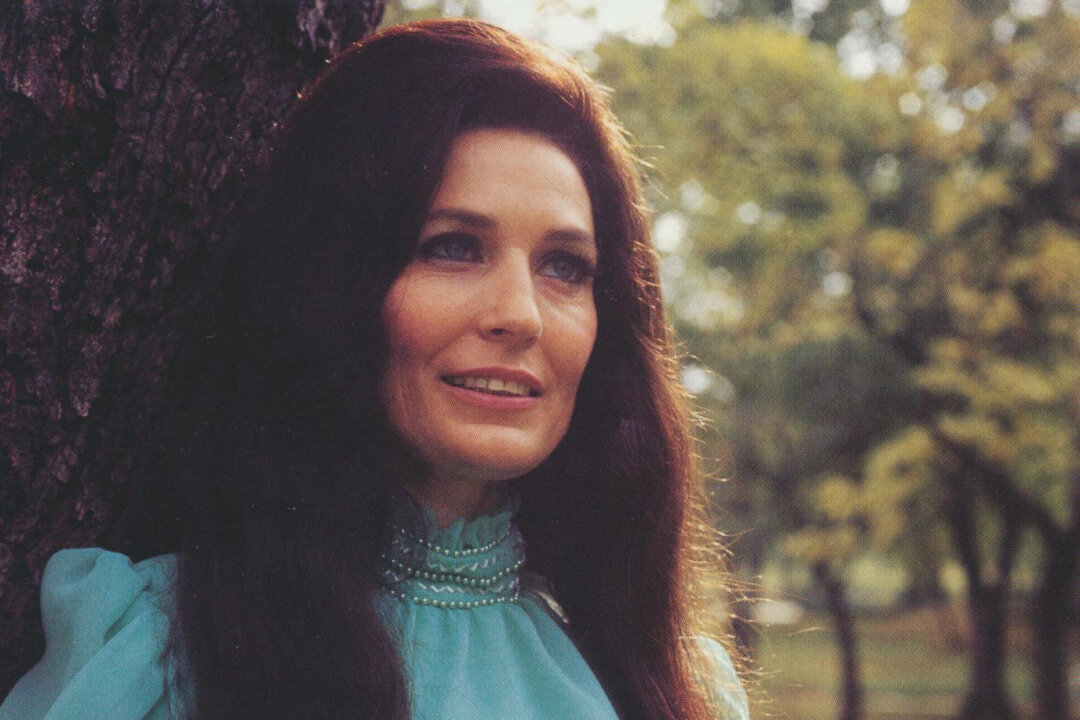
This friction between institutional gatekeeping and public resonance highlighted a significant paradigm shift. Lynn’s advocacy was not rooted in political theory but in the meticulous reality of the kitchen table. Physicians later reported a noticeable uptick in birth control inquiries in rural clinics following the song’s release, suggesting that Lynn had achieved what public health campaigns could not: she had destigmatized reproductive agency. The song’s eventual ascent to number five on the Billboard Country charts and its crossover success on the Hot 100 proved that the “psychological itch” of the American public was for authenticity, not manufactured innocence.
The legacy of “The Pill” transcends its 1975 controversy. It remains a masterclass in narrative architecture, using the specific to illuminate the universal. Lynn did not just sing about a tablet; she articulated the nuanced transition from being an object of circumstance to a subject of choice. In doing so, she redefined the boundaries of country music, proving that the most profound revolutions often occur within the quiet confines of the domestic sphere. The silence of the 60 stations was eventually drowned out by the roar of a million women finally hearing their own lives echoed in a melody.