 By admin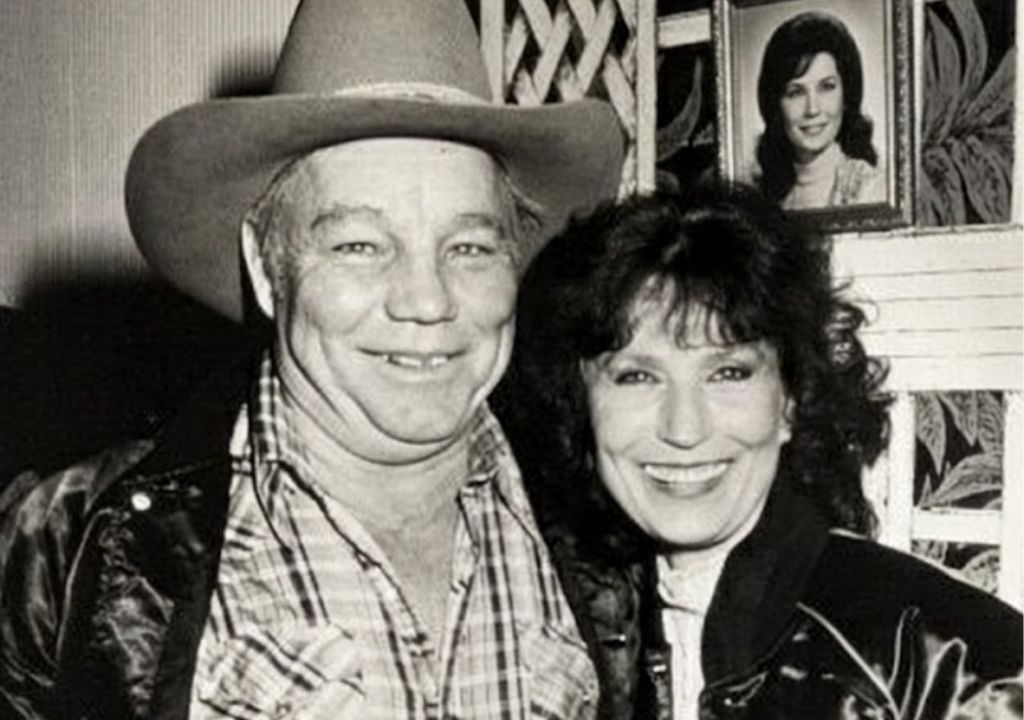

INTRODUCTION
The air in the 1960s Nashville recording booths was often thick with cigarette smoke and the scent of expensive bourbon, yet Loretta Lynn brought something far more volatile to the microphone: the scent of another woman’s perfume on her husband’s collar. While her contemporaries sang of domestic bliss or quiet heartbreak, Lynn weaponized her marital grievances. She did not merely endure the infidelities of Doolittle Lynn; she documented them with a surgical precision that shifted the paradigm of country music from passive lamentation to active confrontation.
THE DETAILED STORY
The narrative of Loretta and “Doo” is often romanticized as a rugged, lifelong devotion, yet the structural integrity of that union was forged in the heat of recurring betrayal. Doolittle Lynn was the architect of her career, the man who bought her a $17 guitar and pushed her onto stages when she was too terrified to speak. However, he was also the catalyst for the profound domestic anxiety that fueled her pen. Lynn’s songwriting was an act of meticulous reportage, capturing the specific, gritty nuances of a woman defending her territory in a world that expected her silence.

In “You Ain’t Woman Enough (To Take My Man),” Lynn bypassed the trope of the grieving wife to deliver a direct ultimatum. The inspiration was not a vague concept of jealousy but a real encounter with a woman backstage who had her sights set on Doo. This wasn’t sensationalism; it was a survival strategy. By naming the “Fist City” she was prepared to send her rivals to, Lynn tapped into a collective consciousness of working-class women who saw their own lives reflected in her unapologetic grit. The tension between her public persona as a submissive housewife and her lyrical role as a fierce protector of her home created a fascinating cultural dissonance.
This dynamic raises a difficult nuance regarding the nature of creative inspiration. Doolittle’s flaws provided the friction required to ignite Lynn’s most enduring hits. Every late night he spent away from home was translated into a chart-topping anthem that gave voice to millions. Their relationship was a complex ecosystem where pain was the primary export, refined into a sophisticated brand of musical truth-telling. Even as she became a global icon, Lynn remained tethered to the reality of her Kentucky roots, proving that the most resonant art often stems from the very things we find most difficult to endure. Ultimately, one must wonder if the “Queen of Country” would have ever found her throne had she been granted the quiet, faithful life she so often sang about protecting.