 By admin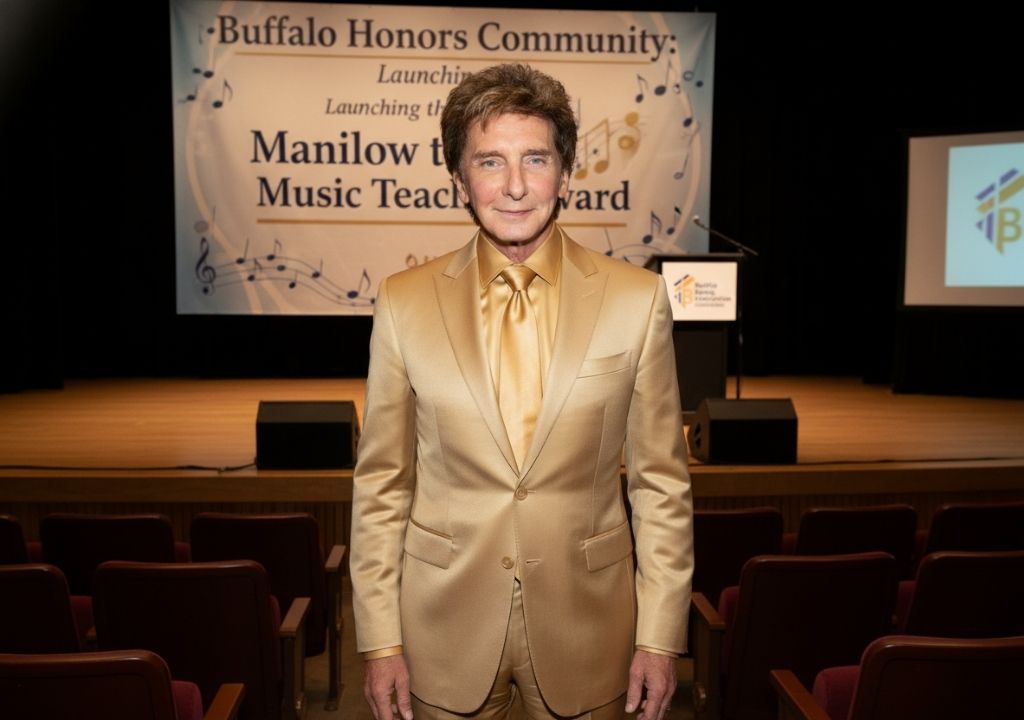

INTRODUCTION
The industrial hum of Buffalo, New York, is currently punctuated by a different kind of frequency as the city prepares for the 04/22/2026 stop of “The Last Buffalo Concert.” Beyond the technical rehearsals and the logistical precision of an arena tour, a more profound resonance is being felt in the local classrooms of the Erie County school system. Following his public mandate to secure the future of music education, Manilow has officially opened the nomination window for the Buffalo chapter of the Manilow Music Teacher Award, a $10,000 initiative designed to identify and empower the unseen architects of the region’s musical talent.
THE DETAILED STORY
The Manilow Music Teacher Award operates with a strategic clarity that reflects the artist’s own meticulous approach to his craft. The prize is structured as a dual-impact grant: a $5,000 direct cash award to the winning educator and an additional $5,000 in “Manilow Bucks” designated for the purchase of essential classroom instruments. This financial injection is facilitated through the Manilow Music Project, a non-profit entity that has operated as a quiet but formidable force in American arts advocacy for over three decades. In Buffalo, where the local economy and educational budgets have faced significant historical pressures, this $10,000 commitment serves as a critical buffer against the erosion of elective arts programs.
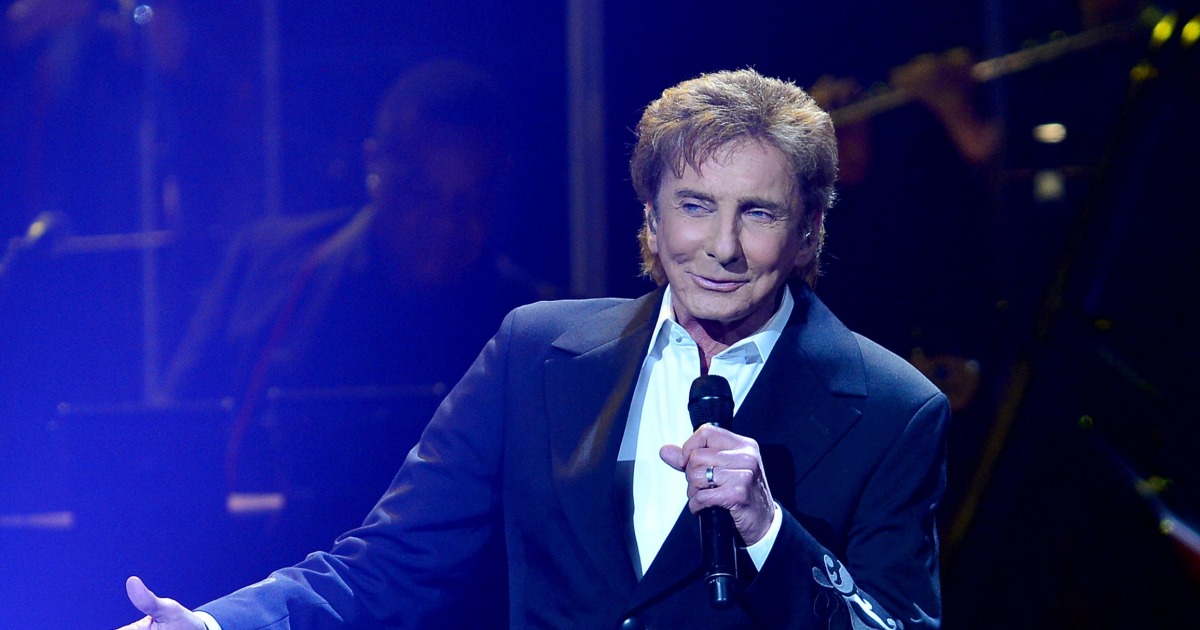
The nuance of this campaign lies in its democratic architecture. Rather than a selection committee of industry insiders, the recipient is chosen through a rigorous public voting process that encourages community mobilization. This tactic ensures that the award does not merely recognize technical proficiency, but acknowledges the deep-seated emotional impact a teacher has on their students’ lives—a theme that mirrors Manilow’s own narrative of rising from humble Brooklyn origins through the mentorship of public school music programs. The current voting cycle, which concludes on 03/19/2026 at 11:59 PM ET, has already seen record engagement from the Western New York area, highlighting a collective desire to protect the “human element” in a digital age.
As Manilow prepares for his final bow at the KeyBank Center, the introduction of this award suggests a deliberate transition from performer to patriarch of the arts. He has frequently expressed a concern that music must “continue to flow through the veins” of the next generation long after his own voice is silent. By anchoring his farewell tour in such tangible community investment, he ensures that his influence is not measured solely by ticket sales, but by the physical presence of a new trumpet or violin in the hands of a Buffalo student. The inevitable conclusion of his touring career is thus mitigated by the permanence of the instruments he leaves behind, proving that a legacy is most powerful when it empowers others to find their own song.