 By admin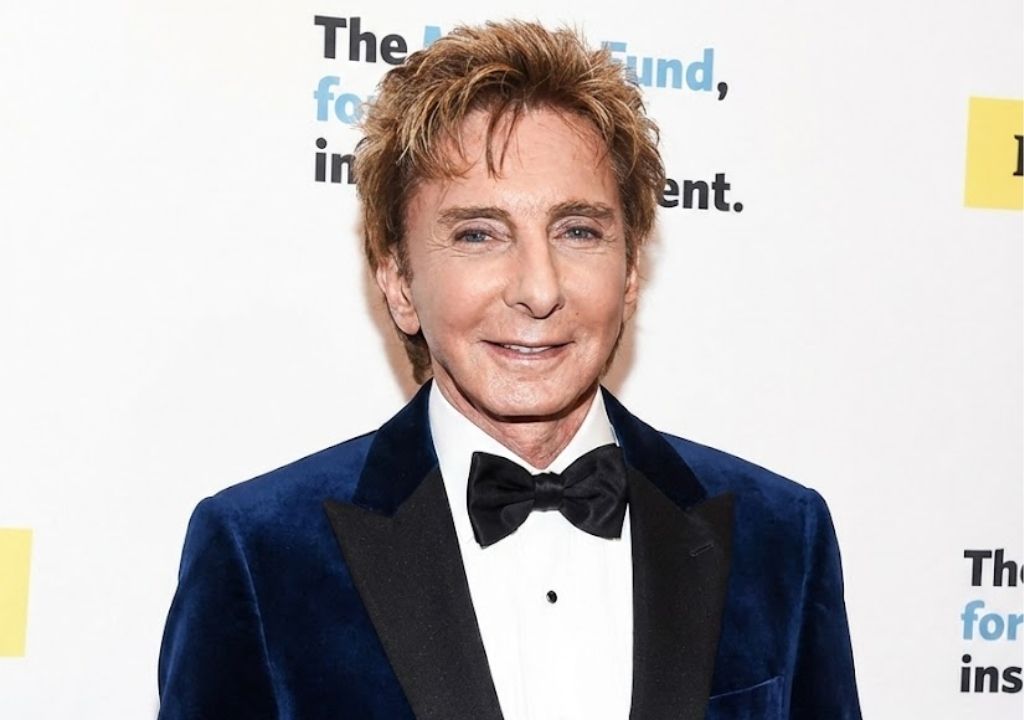
INTRODUCTION
The metallic gleam of a brand-new Yamaha grand piano, positioned under the fluorescent lights of a high school gymnasium, serves as more than a piece of performance equipment; it is a meticulous instrument of social recalibration. For twenty years, the Manilow Music Project has operated with a quiet, architectural precision, transforming the skeletal remains of depleted music departments into vibrant centers of artistic inquiry. This month, the foundation officially crossed the $10 million threshold in cumulative donations—a milestone that resonates far beyond the balance sheets of celebrity charity. For Barry Manilow, an artist whose own genesis was forged in the brass section of a Brooklyn public school, this figure represents a deliberate attempt to preserve the cultural infrastructure of the next generation against the inevitable erosion of public funding.
THE DETAILED STORY
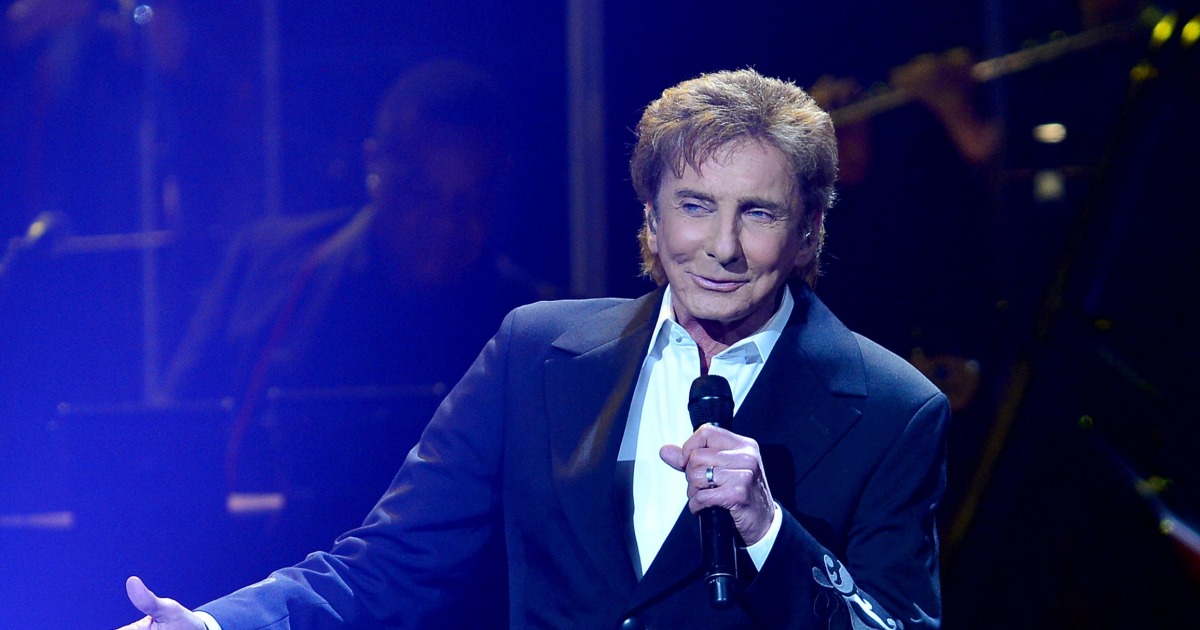
The narrative of this philanthropic endeavor began not with a grand gala, but with a singular, nuanced observation. Upon discovering that a friend’s daughter was unable to secure a functional saxophone for her school band, Manilow realized that the “silent” budget cuts across American school districts had effectively silenced the instruments themselves. The resulting initiative was designed with a unique logistical paradigm: the instrument drive. By offering complimentary concert tickets in exchange for gently used instruments, Manilow leveraged his massive touring footprint to physically replenish the inventory of local schools. Each drive is personally inaugurated by the artist with the donation of a professional-grade piano, ensuring that the anchor of the orchestra remains steadfast. This strategy has successfully bypassed the bureaucratic delays of traditional grant-making, delivering immediate, tactile resources directly into the hands of students who had previously been relegated to practicing on cracked mouthpieces and dented brass.
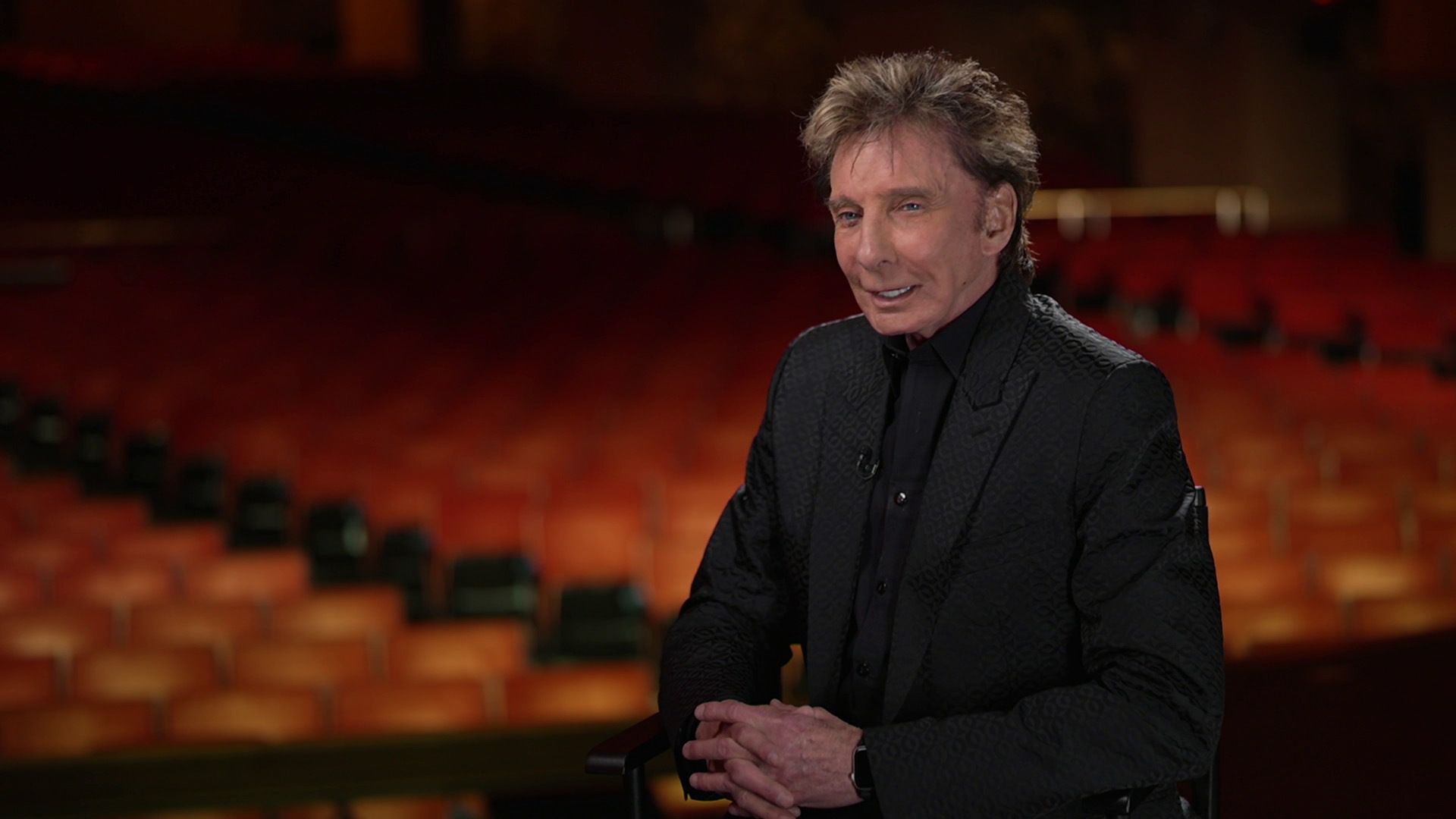
Beyond the immediate utility of the hardware, the $10 million milestone underscores a profound commitment to the human element of education. The Manilow Music Project has expanded its scope to include $10,000 grants—split between personal awards for educators and funding for classroom supplies—honoring the teachers who maintain the integrity of these programs in the face of austerity. These educators are the meticulous custodians of a legacy that Manilow views as essential to the American identity. The impact is measured not just in the volume of instruments delivered, but in the retention of music as a core academic discipline. As school boards across the nation face the difficult geometry of fiscal management, Manilow’s unwavering support provides a necessary counter-ballast, ensuring that the ability to create music remains an accessible right rather than a luxury for the elite. This enduring investment reflects a sophisticated understanding of legacy: that a performer’s truest resonance is not found in the echoes of a stadium, but in the first, tentative notes of a student discovering their own voice.