 By admin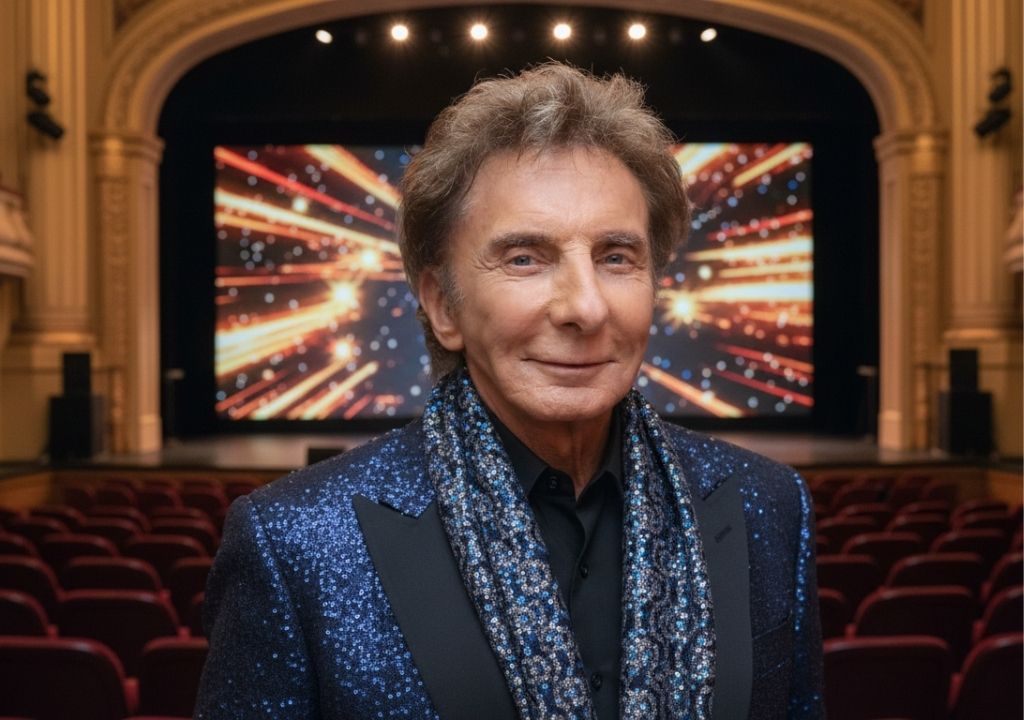
Introduction
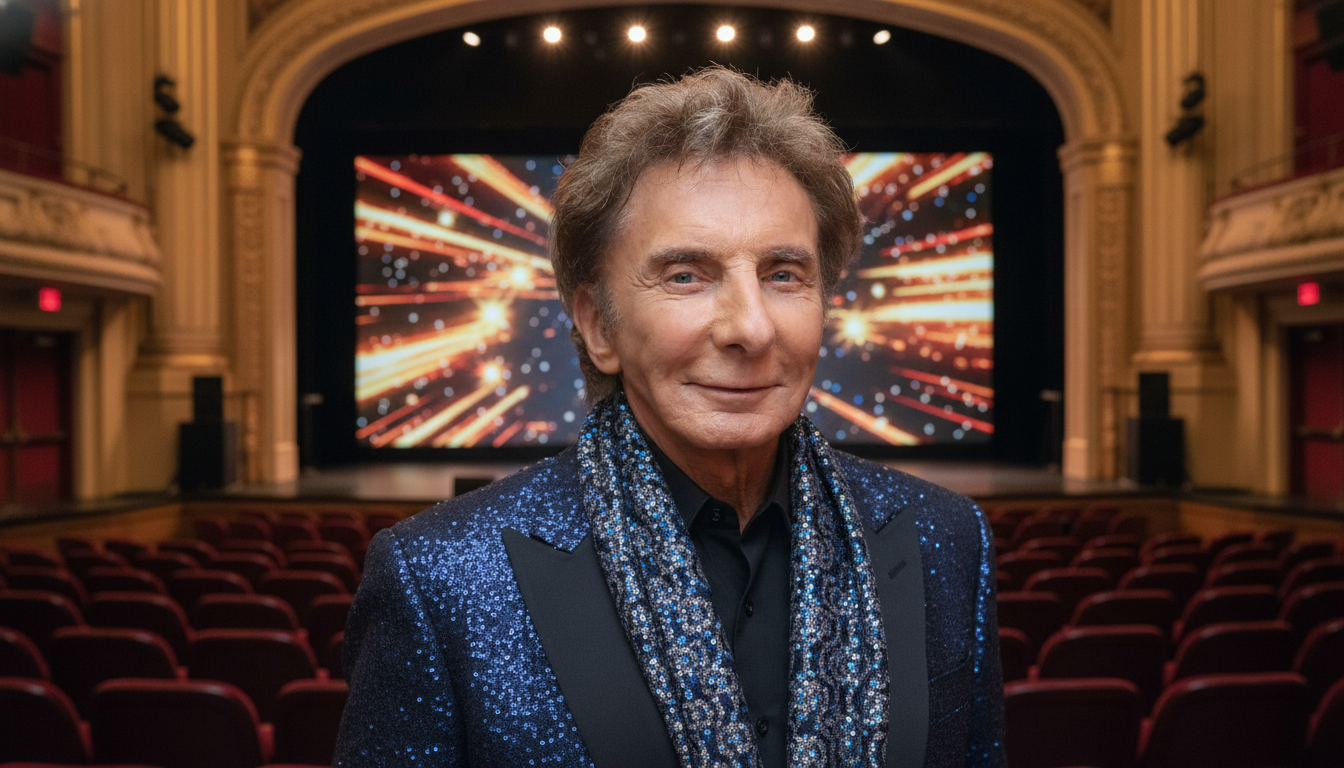
The atmosphere inside the McCallum Theatre in Palm Desert between December 16 and 21, 2025, was defined by a rare intersection of high-net-worth exclusivity and grassroots urgency. In a room where “Platinum” seating commanded a staggering $2,500 per ticket, the stakes were far higher than mere entertainment. This was the seventh iteration of “A Gift of Love,” a concert series that has quietly evolved into a sophisticated engine for regional survival. By the time the final note resonated on the night of the 21st, the event had successfully funneled a substantial financial surge into 25 Coachella Valley charities, operating under a paradigm that challenges the traditional hierarchy of celebrity giving.

The “Golden Thread” of this narrative is found not in the setlist, but in the meticulous mechanics of the donation. Unlike the standard benefit gala where funds are pooled into a singular, often abstract pot, Manilow’s model employs a decentralized strategy. At the point of purchase, fans were required to navigate a list of twenty-five distinct local organizations—ranging from food banks like AAP-Food Samaritans to animal welfare groups and youth support systems—to personally designate the beneficiary of their contribution. This mechanism transforms the audience member from a passive spectator into an active philanthropist, creating a direct, documented link between the price of admission and a specific community outcome.
This series also highlights a profound shift in the legacy of the showman. At 82, Manilow has entered a phase of his career where time is the most precious currency. By choosing to perform this six-night residency without compensation, he has effectively commodified his own presence to act as a bridge for underfunded school music programs and healthcare initiatives. The narrative tension lies in the contrast: while the stagecraft remained “Manilow-esque” in its grandeur—complete with children’s choirs and synthetic snowfall—the underlying mission was one of visceral local impact. Every $2,500 Platinum ticket sold resulted in a direct $1,500 credit to a chosen charity, a ratio of efficiency rarely seen in large-scale celebrity fundraisers.
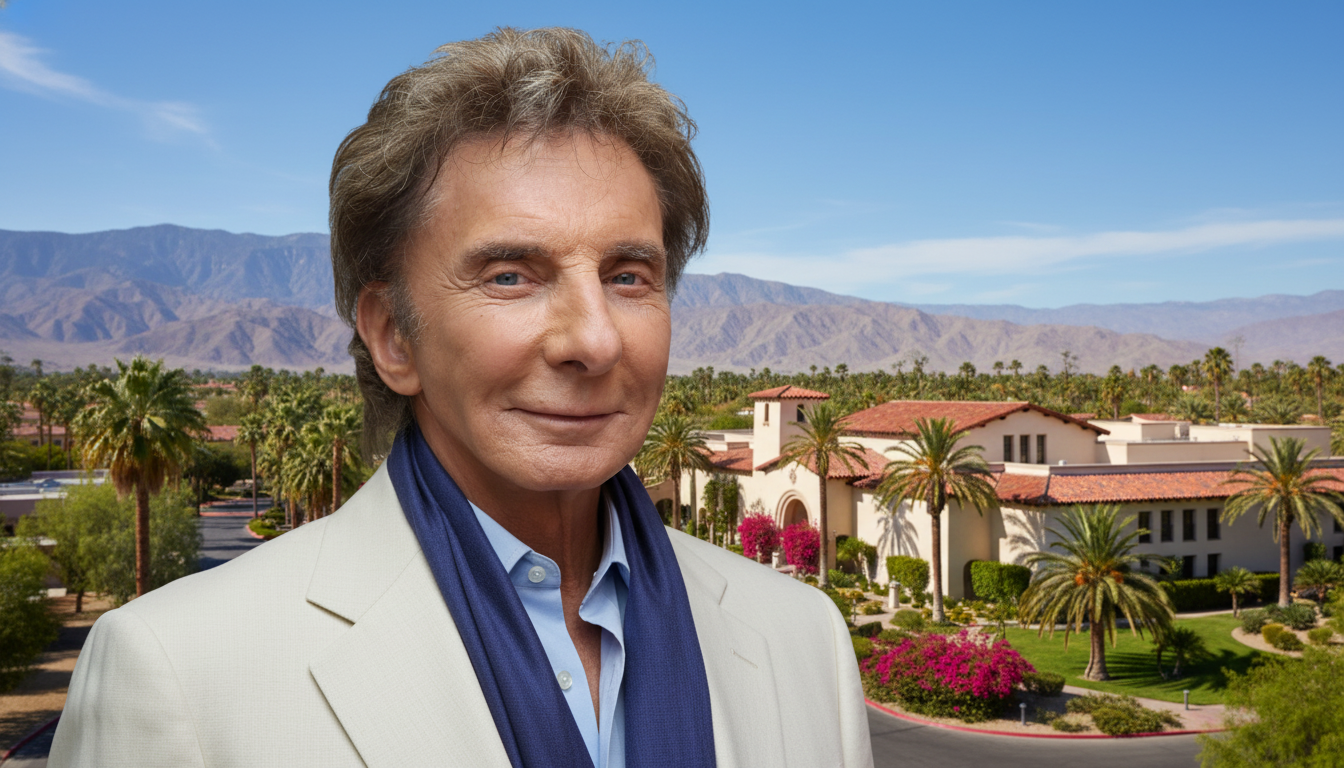
The contextual depth of this event lies in the geography of the Coachella Valley itself—a region defined by extreme wealth disparity. By anchoring his efforts to the McCallum Theatre, Manilow is engaging in a form of hyper-local architecture. He is not attempting to solve global crises; instead, he is fortifying the specific ecosystem that has supported his career and personal life for decades. This nuanced approach to charity suggests that the most effective way for a global icon to maintain relevance is to become a meticulous steward of their own backyard.
As the 2025 series concludes, the resolution is both authoritative and lingering. “A Gift of Love VII” serves as a blueprint for the “inevitable” evolution of the legacy performer. It suggests that the true measure of an artist’s final act is not the applause they receive, but the infrastructure of support they leave behind when the lights eventually dim. Manilow has proven that a single voice, when strategically amplified through the lens of altruism, can sustain an entire community long after the holiday season has passed.