 By admin
Introduction
A Nation at a Crossroads: The Capture of Nicolás Maduro and Venezuela’s Uncertain Future
In a geopolitical earthquake that has sent shockwaves across the Western Hemisphere, Venezuelan leader Nicolás Maduro is currently in United States custody. On Saturday, January 3, 2026, a high-stakes mission resulted in the capture of Maduro in Caracas and his subsequent transport to New York City. As the world watches the dramatic footage of a former head of state descending a plane in handcuffs, the future of Venezuela—and the stability of Latin America—hangs in the balance.
Charges and the American Mandate
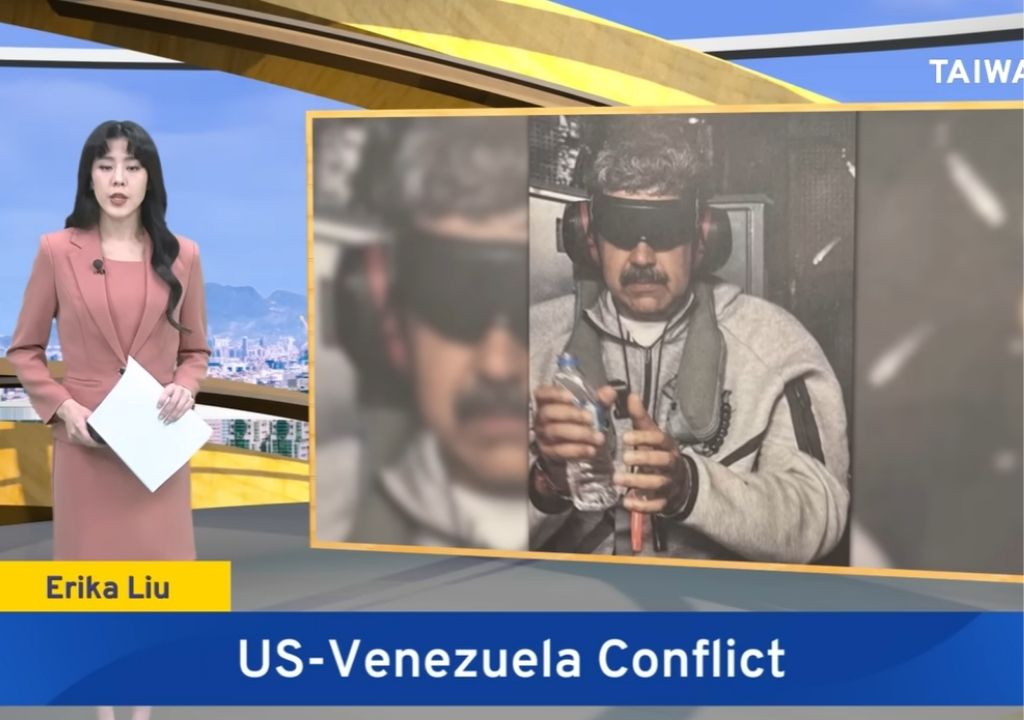
Maduro faces a series of severe criminal charges, most notably narcoterrorism conspiracy. Following the capture, US President Donald Trump offered a blunt assessment of the immediate future, stating that the United States would “run” Venezuela for the time being. The primary focus of this intervention appears to be the country’s crumbling oil infrastructure.
President Trump described the facilities as “old” and “rotted,” noting that much of the equipment was installed by American companies decades ago. The administration’s plan involves replacing this infrastructure and redirected funds to “take care of the country.” Meanwhile, the Venezuelan government remains in a state of flux; while US Secretary of State Marco Rubio has reportedly reached out to Vice President Delcy Rodriguez, sources indicate she has already fled to Russia.
A Continent Divided
The reaction to the mission has been immediate and deeply polarized. For the nearly 8 million Venezuelan exiles who fled the country’s economic collapse and human rights abuses over the last twelve years, the news was met with pure jubilation. In many diaspora communities, the capture is seen as the first step toward a free country where the youth can finally dream of a future without fear.
However, the sentiment is far from universal. In cities like Buenos Aires, protesters took to the streets to condemn what they perceive as a fresh act of US imperialism. Critics are drawing parallels to the 1989 invasion of Panama, arguing that “peace will not come with killer bombs” and that the intervention is a violation of national sovereignty. Even in New York’s Times Square, domestic critics of the Trump administration gathered to denounce the move as a play for “oil and greed.”
Global Implications and the Rule of Law
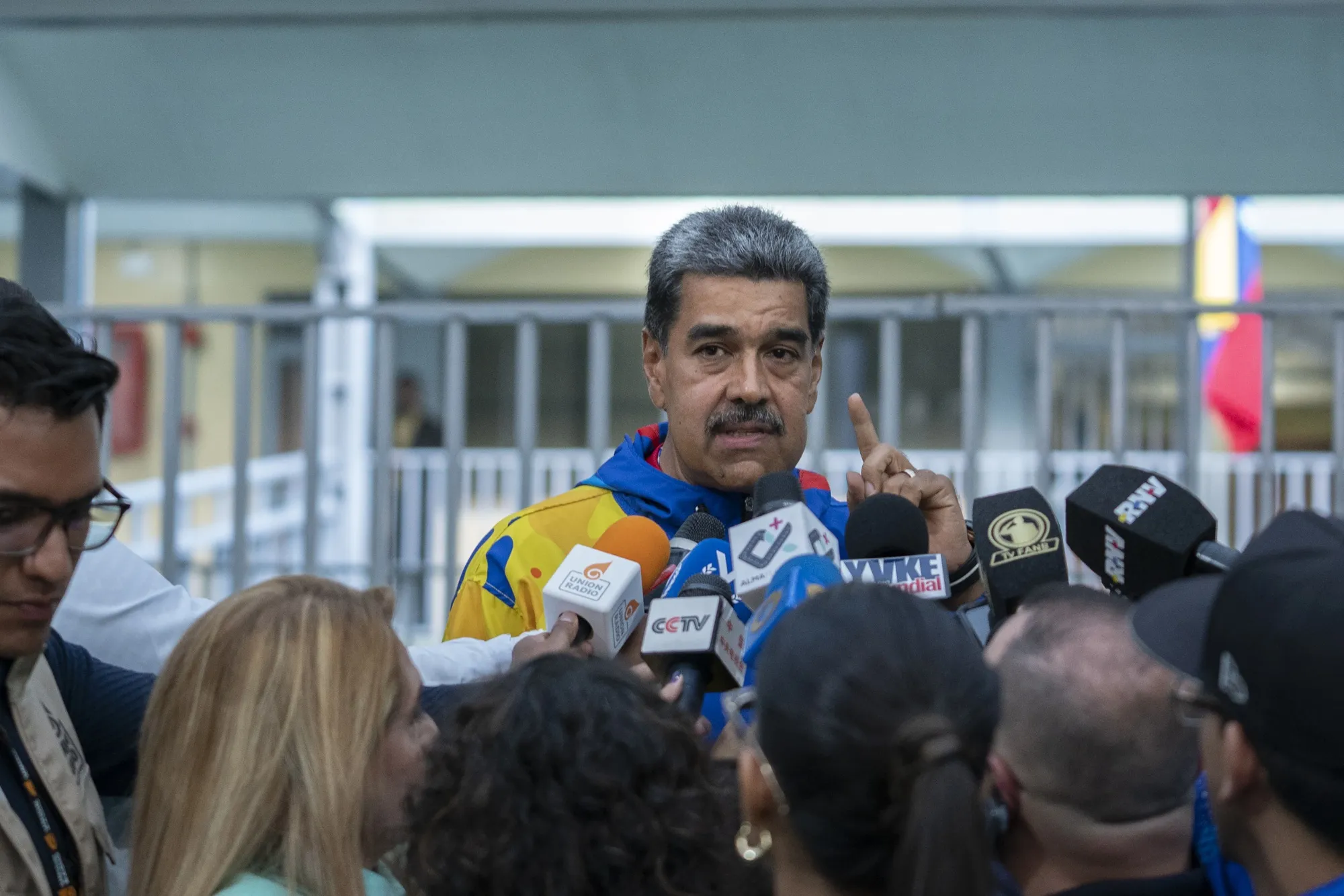
Beyond the immediate political consequences, the capture of Maduro raises significant questions about the international order. Many legal experts view the unilateral use of force to apprehend a sitting president as a “slap in the face” to international rules designed to check the use of military power. There are growing concerns that this precedent allows individual leaders to decide when and where to apply military force regardless of global consensus.
As Maduro remains in a high-security police convoy in New York, his long tenure in power has reached a definitive end. Yet, for Venezuela, this is not the conclusion of a story, but the start of a deeply uncertain chapter. The world now waits to see if this intervention will lead to a restored democracy or if it will trigger a new era of regional instability.