 By admin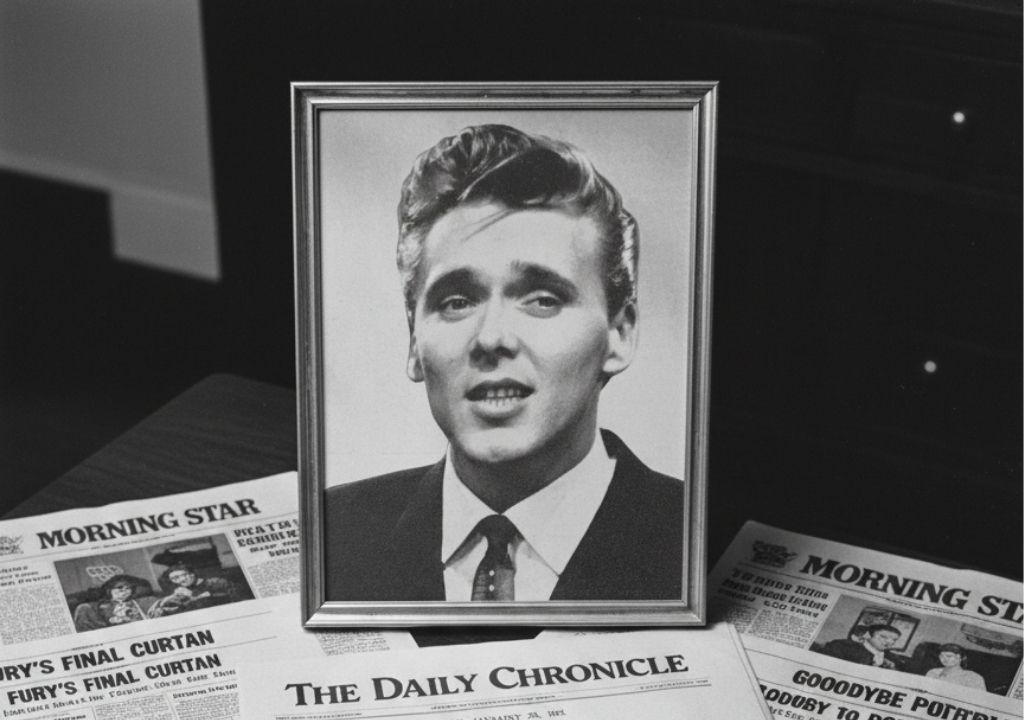
INTRODUCTION
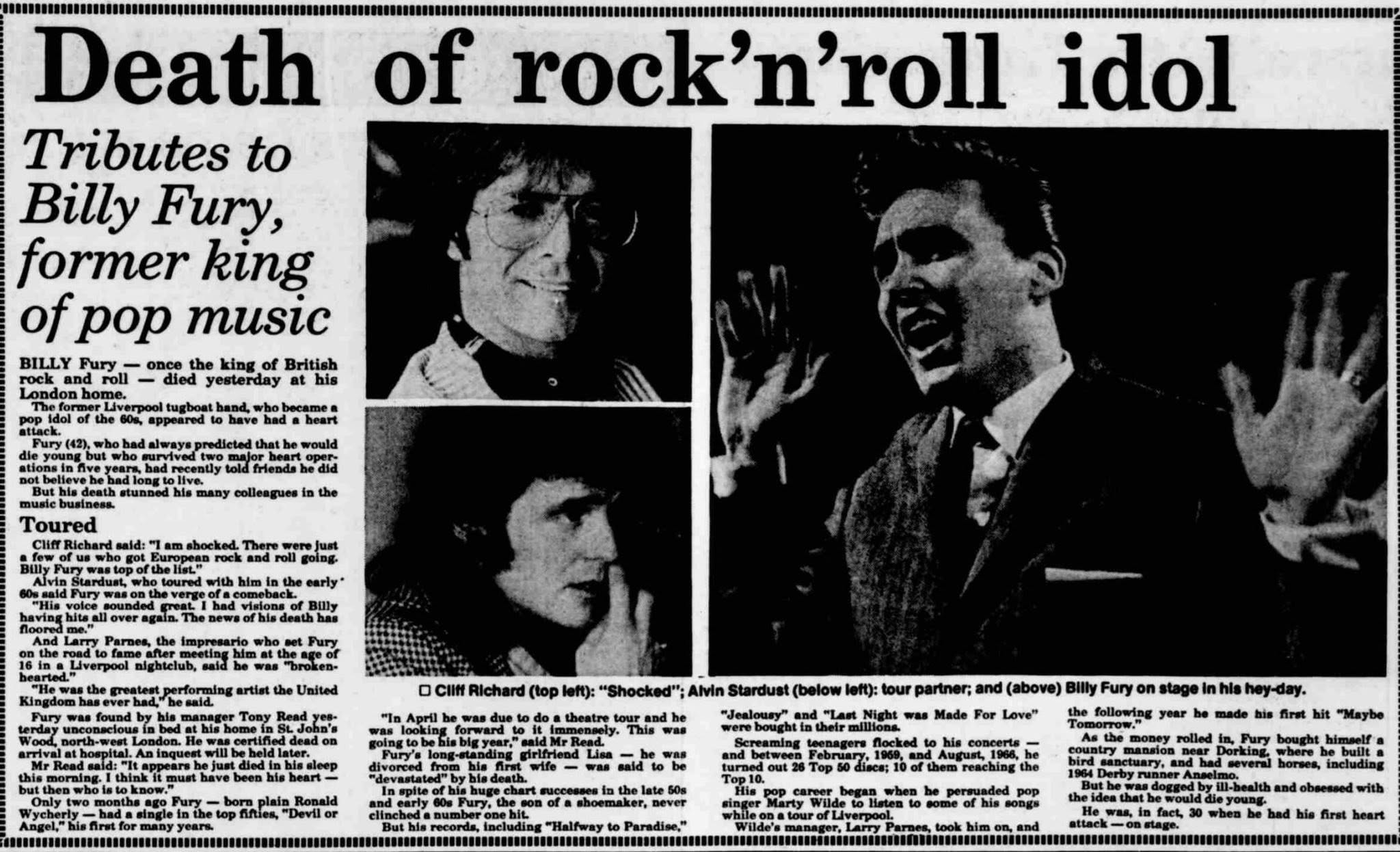
On the afternoon of January 27, 1983, the frantic wail of an ambulance through the streets of St. John’s Wood signaled the final act for a man who had spent his entire life anticipating his own end. Billy Fury, born Ronald Wycherley, was discovered unconscious in his bedroom by his manager and long-time partner, having finally succumbed to the heart complications that had haunted him since a childhood bout of rheumatic fever. At just 42 years old, the man once hailed as Britain’s definitive answer to Elvis Presley left behind a legacy defined by a profound paradox: a performer who possessed the magnetic intensity of a god, yet harbored the temperament of a recluse who preferred the company of horses to the roar of the crowd.
THE DETAILED STORY
Fury’s trajectory was never the standard path of a pop star seeking immortality; it was a meticulous navigation of survival. Discovered in 1958 by the legendary impresario Larry Parnes, Fury was thrust into a world of gold-lamé suits and hysterical fandom, yet he remained an outsider within his own stardom. Unlike his contemporaries, who leaned into the artifice of the industry, Fury’s vulnerability was authentic. He was a songwriter of rare sensitivity in a landscape of covers, penning tracks like “Maybe Tomorrow” with a haunting sincerity that transcended the era’s bubblegum trends. However, the physical toll of his ambition was always visible; he underwent multiple open-heart surgeries throughout the 1970s, each procedure a temporary reprieve from an inevitable biological debt.
The narrative of his final years was one of a “reluctant idol” attempting a quiet metamorphosis. He had largely retreated to a farm in Wales, seeking solace in wildlife preservation and a distance from the “shaky” image that had made him a millionaire. Yet, the siren call of the studio remained. At the time of his death, Fury was in the midst of a comeback, having recently recorded new material and filmed a television special titled Unforgettable. He was reportedly optimistic, convinced that his voice had matured into a richer, more soulful instrument. His father, Albert Wycherley, noted that Billy believed he was on the verge of his greatest breakthrough, a tragic irony given that his heart failed just as his creative spirit was being rekindled.
Ultimately, Fury’s passing marks the end of an era for British rock ‘n’ roll—a period where the raw energy of the 1950s met the polished production of the 1960s. He leaves behind 24 Top 40 hits and a reputation as a stylist who never quite fit the mold the industry carved for him. As the music world mourns a man who was often too shy to acknowledge his own greatness, we are left to wonder if Fury’s greatest tragedy was not his early death, but the immense burden of a talent that required a spotlight he never truly wanted to stand in.