 By admin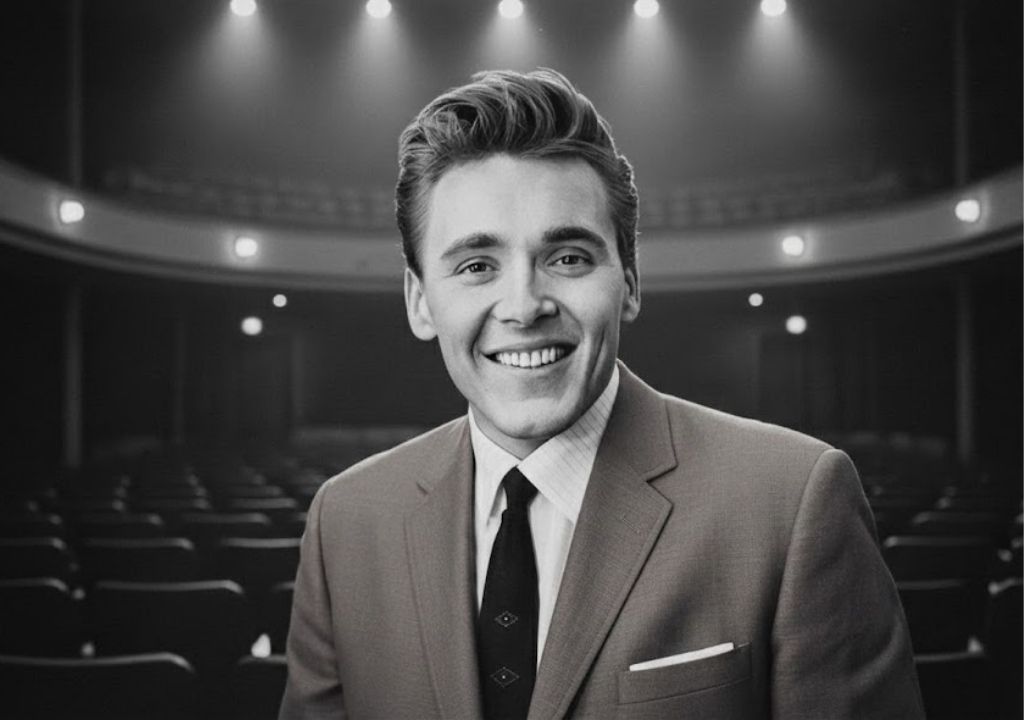
INTRODUCTION
The frost of January 02, 2026, clings to the Art Deco facade of The Plaza in Stockport, yet inside, the atmosphere vibrates with a heat that predates the digital age. A demographic spanning three generations sits in hushed anticipation, not for a modern chart-topper, but for the curated ghost of a Liverpool deckhand who once redefined British masculinity. This is the opening salvo of “The Billy Fury Years,” a production that has transcended the standard tribute circuit to become a sophisticated exercise in narrative restoration. The stakes are deceptively high: in an era of fleeting viral hits, the enduring demand for Fury’s catalog suggests a profound shift in how we consume the concept of stardom.
THE DETAILED STORY

The trajectory of British rock and roll often begins and ends with the arrival of the Beatles, yet the nuance of the era is best captured in the vulnerable, brooding presence of Billy Fury. As 2026 commences, the resurgence of interest in Fury’s legacy is not merely an exercise in nostalgia; it is a calculated response to a fragmented musical landscape. Michael King, widely recognized as the preeminent interpreter of Fury’s oeuvre, has launched the 2026 tour with a technical precision that mirrors the archival rigor of a museum exhibition. This is no longer just a performance; it is a two-hour immersive odyssey through the transition from post-war austerity to the vibrant dawn of the 1960s.
The commercial reality of the tour is a testament to this paradigm. While contemporary acts struggle with the volatility of streaming metrics, the January and February dates across the United Kingdom’s historic theaters are nearing “sold-out” status. The ticket sales, processed primarily in early winter, reflect a consumer base seeking the reliability of a proven aesthetic. King’s production utilizes modern sonic architecture—high-fidelity audio systems and synchronized visual projections—to elevate Fury’s hits, such as “Halfway to Paradise” and “Jealousy,” into a contemporary context. This synthesis of the analog heart and digital delivery creates a seamless bridge between the past and the present.

Beyond the choreography and the velvet suits lies a deeper exploration of human nature and the inevitability of the “legacy act.” Why does Fury, who passed away in 1983, continue to fill thousand-seat venues through a surrogate in 2026? The answer lies in the meticulous construction of his persona—a blend of raw rockabilly energy and a haunting, cinematic sensitivity. King does not merely mimic the vibrato; he inhabits the structural silence between the notes, honoring a man whose career was defined by both meteoric success and the physical fragility of a compromised heart.
As the 2026 tour moves from the industrial north to the coastal theaters of the south, it raises a compelling question about the nature of celebrity. We are witnessing a period where the “tribute” has evolved into a high-authority medium of historical preservation. The success of “The Billy Fury Years” confirms that for the modern audience, the authenticity of the emotion is more vital than the presence of the original artist. It is a sophisticated paradox: we are looking backward to find a sense of permanence in an increasingly transient world.