 By admin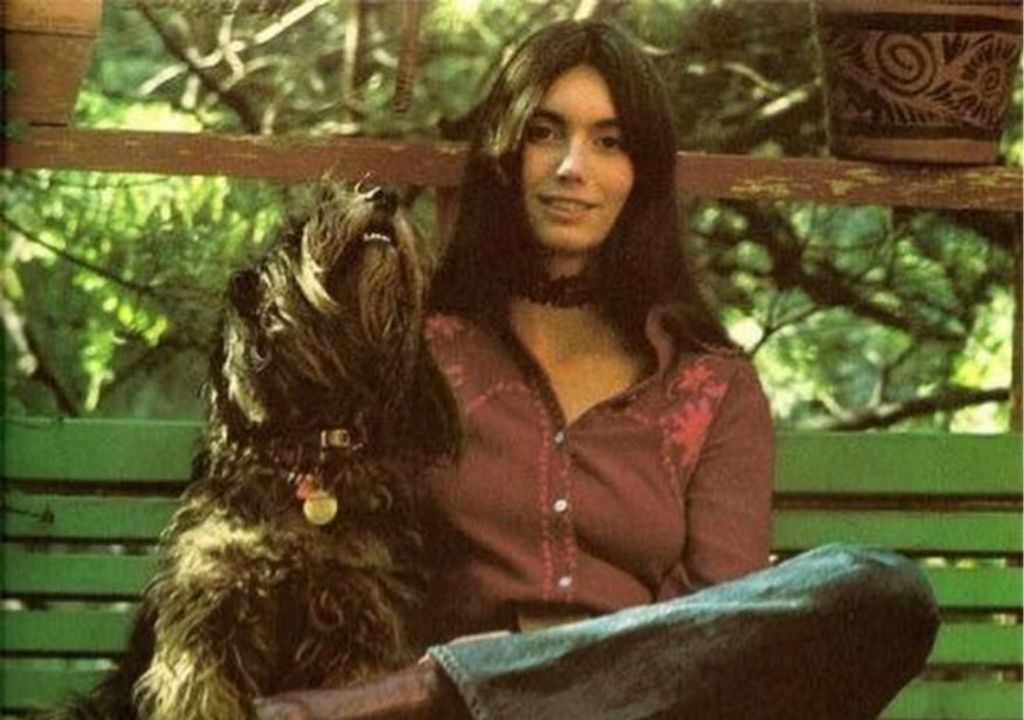
INTRODUCTION
Long before the meticulously manicured grounds of her Nashville estate became a sanctuary for the forgotten, the “Queen of Country Rock” navigated the grueling solitude of the American highway with only her music and a rotating crew for company. The itinerant lifestyle of a global icon often fosters a peculiar brand of isolation, one shielded by stage lights but anchored in the sterile uniformity of hotel suites and tour bus bunks. This dynamic underwent a profound, permanent shift in the mid-1990s when Harris walked into a municipal facility and encountered a poodle-terrier mix of indeterminate lineage. Bonaparte was not the quintessential “celebrity pet”; he was a “goofy-looking” rescue whose presence would eventually dismantle the boundaries between Harris’s artistic public persona and her private humanitarian conscience.
THE DETAILED STORY

Bonaparte’s entry into the Harris household was marked by an understated serendipity. Initially intended as a companion for her dog Radar, the scruffy stray quickly evolved into the primary navigator of Harris’s emotional landscape. For the next ten years, he became a fixture of the “Spyboy” era and the atmospheric Wrecking Ball tours, claiming a dedicated bunk on the bus and providing a grounding counterweight to the pressures of the industry. Harris has frequently reflected on how Bonaparte’s presence forced a necessary interrogation of her own habits; where she once remained sequestered in hotel rooms between performances, the dog’s needs required her to step out into the cities she visited, discovering the world at a canine’s pace. This simple act of walking a dog transformed her relationship with the geography of her fame, replacing the blur of the road with tangible, localized moments of connection.
The sudden passing of Bonaparte in 2002 created a vacuum that could not be filled by another companion alone. Instead, Harris sought a more complex form of catharsis. In 2004, she leveraged her influence to establish Bonaparte’s Retreat, a nonprofit rescue operation literally situated in her own backyard. The project was born from a realization that the system which produced Bonaparte was inherently flawed—favoring the young and the easily adoptable while overlooking the “unpredictable” or the aged. By focusing on dogs whose “time had run out” at municipal shelters, Harris transformed her personal grief into a sophisticated institutional model of second chances.

Today, as Harris continues to balance her performance schedule with the daily administrative demands of her sanctuary, the legacy of that single poodle-mix remains the guiding light of her late-career narrative. The stakes have shifted from the pursuit of the next Grammy to the successful medical rehabilitation of a single senior Labrador or the placement of a shy terrier. In the architectural legacy of Bonaparte’s Retreat, one finds the purest expression of Harris’s philosophy: that value is not inherent in beauty or prestige, but in the unwavering commitment to stay beside those who have been left behind. The scruffy dog found in a Nashville kennel did more than just provide companionship; he offered a roadmap for a life lived with a different kind of harmony.