 By admin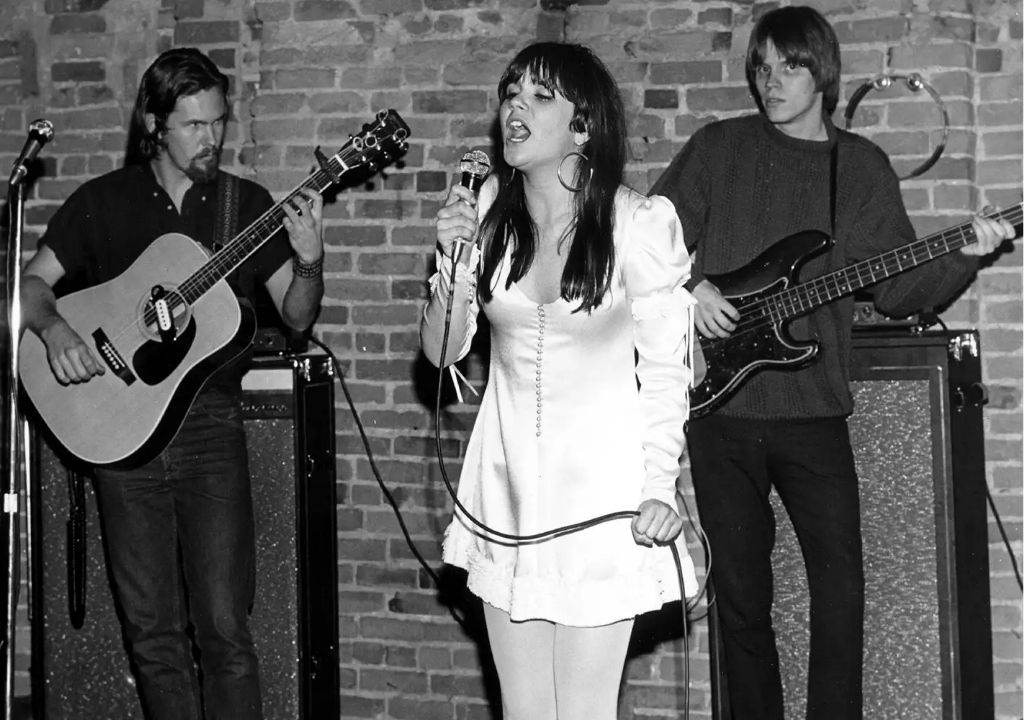

INTRODUCTION
In the smoke-filled boardrooms of mid-1970s Los Angeles, where the hierarchy of the record industry was as rigid as the vinyl it produced, Linda Ronstadt executed a quiet, systemic overthrow. While the broader cultural discourse of the era debated the philosophical tenets of women’s liberation, Ronstadt was busy implementing a radical infrastructure of professional respect and financial parity that preceded the legal frameworks of the modern workplace by decades. The stakes were not merely her own reputation, but the very definition of what it meant for a female artist to occupy the center of a male-dominated economy. This was not a revolution of slogans, but a meticulously managed shift in the power dynamics of the American music industry.
THE DETAILED STORY
Ronstadt’s feminism was never a performance of protest; it was a function of her administrative reality. In an era when female vocalists were frequently relegated to the role of the “frontwoman”—a decorative element for a male producer’s vision—Ronstadt insisted on the title of creative architect long before the credits reflected it. She meticulously selected every song in her repertoire, often scouring the catalogues of obscure songwriters to find narratives that resonated with her specific, defiant brand of vulnerability. This was a paradigm shift in the creative process, moving the agency from the corporate suite to the microphone. By the time she reached her commercial peak in the late 1970s, her autonomy was so absolute that it became the inevitable standard for those who followed.
Beyond the creative control lay her most significant contribution to the labor politics of the music industry: the payroll. According to archival reports from The Hollywood Reporter and Billboard, Ronstadt famously ensured that her touring musicians—almost exclusively men during the early years—were paid some of the most competitive salaries in the business. This was not an act of charity, but a strategic implementation of professional respect. By becoming the employer of men in a world that expected women to be employees, she inverted the power dynamic of the Troubadour era. This economic autonomy allowed her to command a level of loyalty and technical excellence that propelled her to become the first female arena-rock superstar.
The nuance of her leadership resided in her ability to maintain a feminine aesthetic while wielding masculine-coded executive power. She did not seek to emulate the men around her; rather, she demanded they meet her on a level playing field defined by musical rigor and financial transparency. This legacy of structural feminism remains one of the most under-examined facets of her storied career. It is the inevitable conclusion of a woman who understood that true power is not found in the spotlight alone, but in the meticulous management of the resources behind it. Her career serves as a definitive blueprint for the modern artist-entrepreneur, proving that the most lasting revolutions are often those that happen quietly on the balance sheet.