 By admin
INTRODUCTION
On 04/18/1958, exactly one day after his eighteenth birthday, a nervous teenager entered the Phillips Sound Recording Service in Liverpool. Logged simply as “Youth with guitar,” Ronald Wycherley—the boy who would become Billy Fury—cut a two-sided 10-inch acetate that would eventually serve as the genesis of a cultural phenomenon. For decades, the existence of such primordial recordings remained the stuff of industry myth, whispered about in the backrooms of vintage record shops and debated in the pages of The New Yorker. However, the subsequent decades have transformed these whispers into a meticulous archival hunt, as historians and family members peel back the layers of a career that was as much defined by what was suppressed as by what was released.
THE DETAILED STORY

The search for the “Lost Tapes” of Billy Fury is not merely a pursuit of nostalgia; it is a sophisticated endeavor to reclaim the artistic agency of a man often stifled by the rigid machinery of the 1960s pop industry. One of the most remarkable chapters in this saga involves the “Tea Chest Tapes.” These 1,850 magnetic reels, once the property of the legendary and eccentric producer Joe Meek, were famously kept in 67 tea chests for over fifty years. When Cherry Red Records finally acquired this trove, they discovered a wealth of unreleased Fury material—fragments of sessions where the singer’s vulnerability was captured without the polished veneer of his Decca studio hits.
Beyond the professional archives, a more intimate history emerged from the Wycherley family’s personal collection. In 2011, the release of The Lost Album (1967–1971) finally gave a voice to a period of Fury’s life that had been largely written off by contemporary critics. These tracks, often recorded during a time of deteriorating health and financial turmoil, showcase a mature artist experimenting with a more soulful, sophisticated sound. The discovery of these tapes was a paradigm shift; they proved that even when the charts had moved on, Fury’s creative fire remained undiminished, producing work that rivaled his peak years in emotional depth.
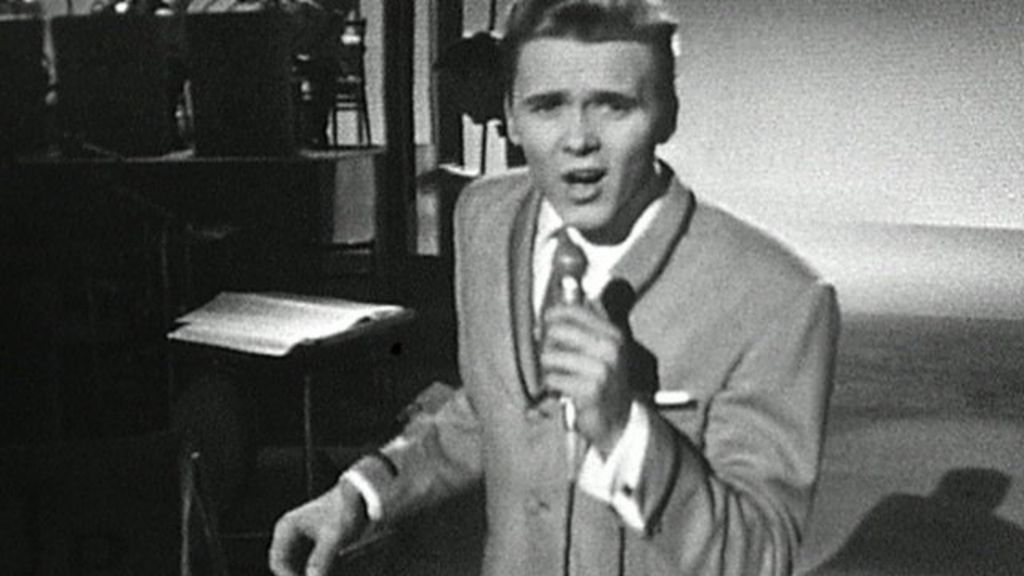
The logistical journey of these recordings is equally fascinating. In the mid-1980s, a rehearsal tape intended for a band in Ireland was returned to the wrong recipient, only to be rediscovered decades later. This tape, featuring Fury practicing “Cheat With Love,” serves as a stark reminder of the chaotic nature of 1960s record management. Today, these rarities—some selling for upwards of $30.00 on specialty labels—are being carefully restored using modern digital technology to preserve the nuance of Fury’s delivery. Each recovered track acts as a structural support to his legacy, transforming him from a 1950s caricature into a timeless, complex architect of sound.
| Significant Archival Milestone | Year Discovered/Released | Historical Context |
| Phillips Sound Acetate | 1958 (Recorded) | The earliest known recording of the “Youth with guitar.” |
| The Lost Album | 2011 (Released) | A reconstruction of his unreleased 1967-1971 Parlophone era. |
| Tea Chest Tapes | 2020s (Digitization) | The legendary Joe Meek sessions revealing raw studio outtakes. |
| Rarities Vol. 19 | 2015 (Released) | Personal demos and alternative takes from his private film archives. |