 By admin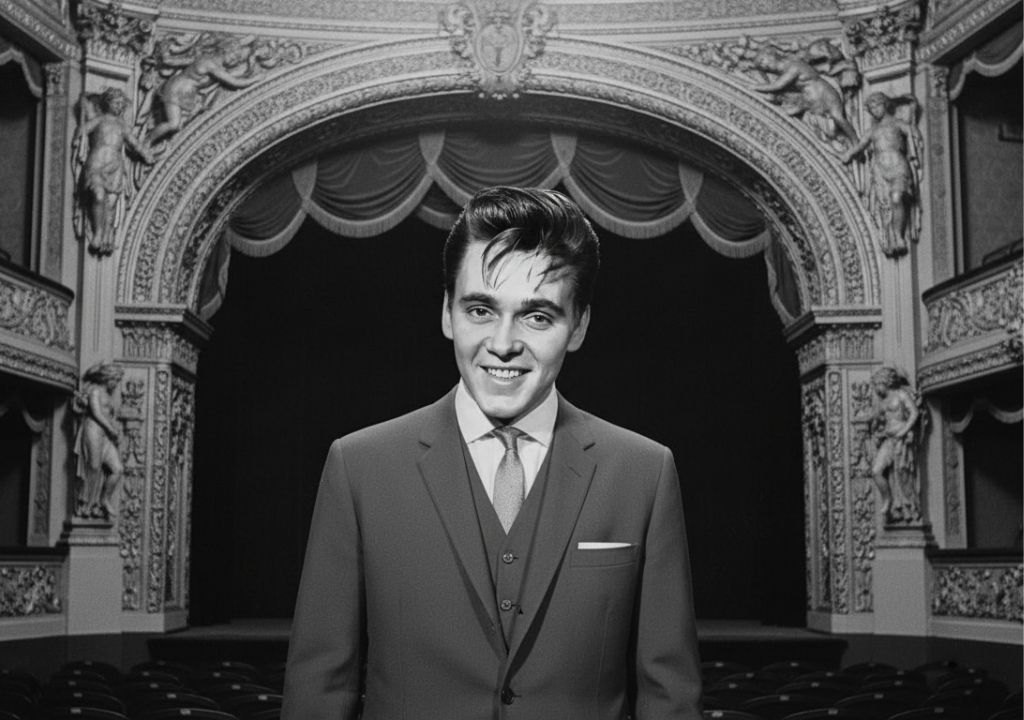
INTRODUCTION
On the evening of 11/06/1961, the Prince of Wales Theatre in London became the stage for a profound cultural intersection, where the raw energy of the “youth quake” met the ancient decorum of the British Monarchy. For Ronald Wycherley, the Liverpool native known to millions as Billy Fury, this was not merely another booking on a grueling tour schedule. It was a high-stakes audition for national legitimacy. Clad in a suit that balanced contemporary sharp tailoring with conservative respectability, Fury stood in the wings, his heart—already a source of private medical concern—quickening as the arrival of Queen Elizabeth II and the Duke of Edinburgh was announced. The tension was palpable: could the man dubbed the “English Elvis” maintain his brooding magnetism without offending the sensibilities of the Crown?
THE DETAILED STORY

The 1961 Royal Variety Performance served as a pivotal paradigm shift for rock and roll in the United Kingdom. Prior to this moment, the genre was often dismissed by the establishment as a fleeting, perhaps even dangerous, American contagion. Fury, with his history of suggestive stage movements and leather-clad aesthetics, was the primary target of this skepticism. However, his management, led by the meticulous Larry Parnes, understood that a successful showing before the Royal Family would translate into a permanent seat at the table of British entertainment. This performance was valued at far more than a standard appearance fee; it was an investment in career longevity and middle-class acceptance.
During the performance, Fury opted for a repertoire that emphasized his vocal nuance over raw aggression. He delivered “Maybe Tomorrow” with a vulnerability that captivated the audience, bridging the gap between the rebellious teenager and the sophisticated balladeer. The performance was a masterclass in calculated restraint. By tempering his usual stage antics, Fury did not diminish his power; rather, he reframed it, proving that his talent possessed a timeless quality that transcended generational divides. The juxtaposition was striking: the most modern man in Britain performing for the most traditional institution in the world.

The aftermath of the performance saw a significant shift in Fury’s public trajectory. The press, which had previously been critical of his “delinquent” appeal, began to treat him with a newfound professional reverence. In the reception line following the show, the exchange between the Queen and the artist was brief but transformative. Fury’s modest, almost shy demeanor in the presence of the Monarch humanized him to a segment of the population that had previously viewed him with suspicion. He had successfully navigated the tightrope of the Royal Command, securing his legacy not just as a pop idol, but as a respected pillar of the British musical establishment. This night proved that even the most fervent rebels seek, at some level, the sanctuary of tradition.