 By admin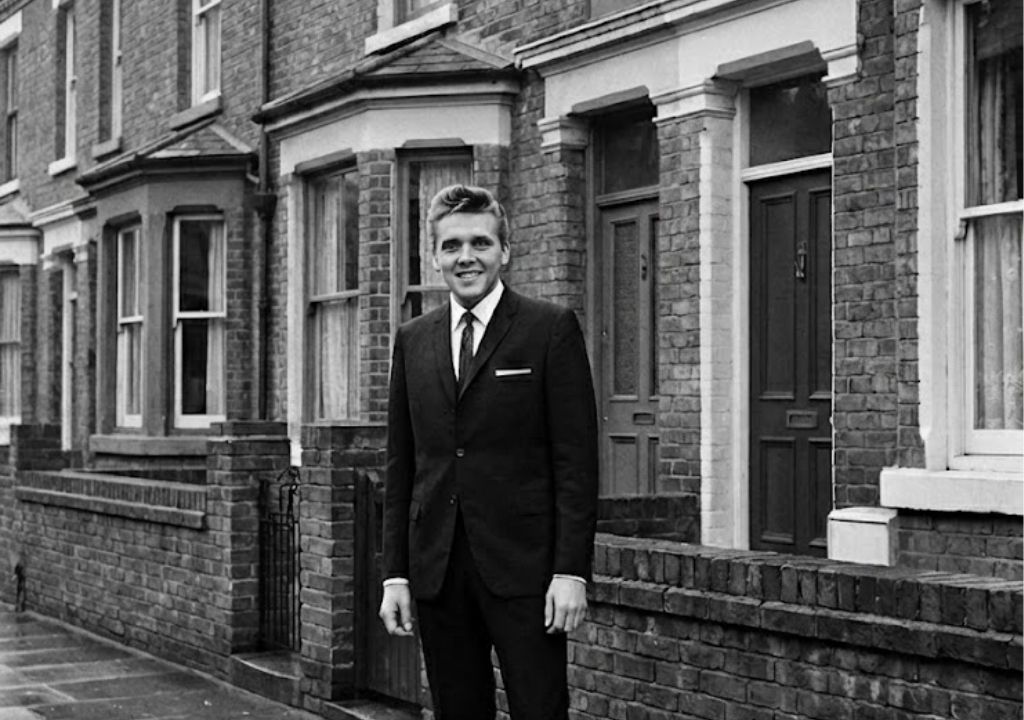
INTRODUCTION
The damp, salt-laden air of the Liverpool docks served as the initial backdrop for a boy who would eventually rival the transatlantic magnetism of Elvis Presley. On the morning of 02/05/2026, the city of Liverpool officially inaugurated “Billy’s Liverpool Walk,” an ambitious heritage project designed to preserve the physical history of Ronald Wycherley—the man the world came to revere as Billy Fury. By centering the narrative on his humble origins, the tour seeks to reconcile the soft-spoken dockworker with the electrifying performer who defined an era before the Beatles ever stepped onto a stage.
THE DETAILED STORY
The journey begins at the very waterfront where Wycherley once labored as a deckhand on the tugboat Formby. This was not a life of leisure, but one of manual rigor, characterized by the 45-degree Fahrenheit chill of the Mersey and the heavy scent of diesel and brine. The transition from this industrial landscape to the neon-lit stages of London’s West End represented a profound shift in the British cultural paradigm. Fury was a pioneer, a songwriter of meticulous craft whose 1960 masterpiece, The Sound of Fury, remains a foundational cornerstone of the rockabilly genre. Unlike many of his peers who relied on imported American covers, Fury’s insistence on performing his own compositions signaled a new era of artistic autonomy.
The tour winds its way toward 102 Haliburton Street, the modest terraced house where the Wycherley family resided. It is here that the narrative gains a unique, poignant intimacy. Participants are granted access to a digital archive via strategically placed QR codes, featuring exclusive, previously unheard commentary from Albie Wycherley, Billy’s younger brother. These audio vignettes strip away the polished veneer of the celebrity persona, revealing the nuance of a shy, animal-loving young man who was often overwhelmed by the inevitable pressures of fame. Albie’s recollections provide a rare, grounded perspective, anchoring the legend to the reality of mid-century Liverpool life and the familial bonds that remained his only true sanctuary.
This heritage walk is more than a nostalgic exercise; it is an investigation into the geography of talent. It suggests that Fury’s distinctive vulnerability—a trait that set him apart from his more aggressive contemporaries—was perhaps forged in the quiet moments between shifts at the docks and the domestic stability of Haliburton Street. While the global audience remembers the gold records and the cinematic presence, this tour insists that the true Billy Fury exists in the silence of the streets he once walked. As Liverpool continues to curate the legacy of its musical titans, it becomes clear that the city’s industrial grit was the necessary crucible for its most delicate and enduring stars.