 By admin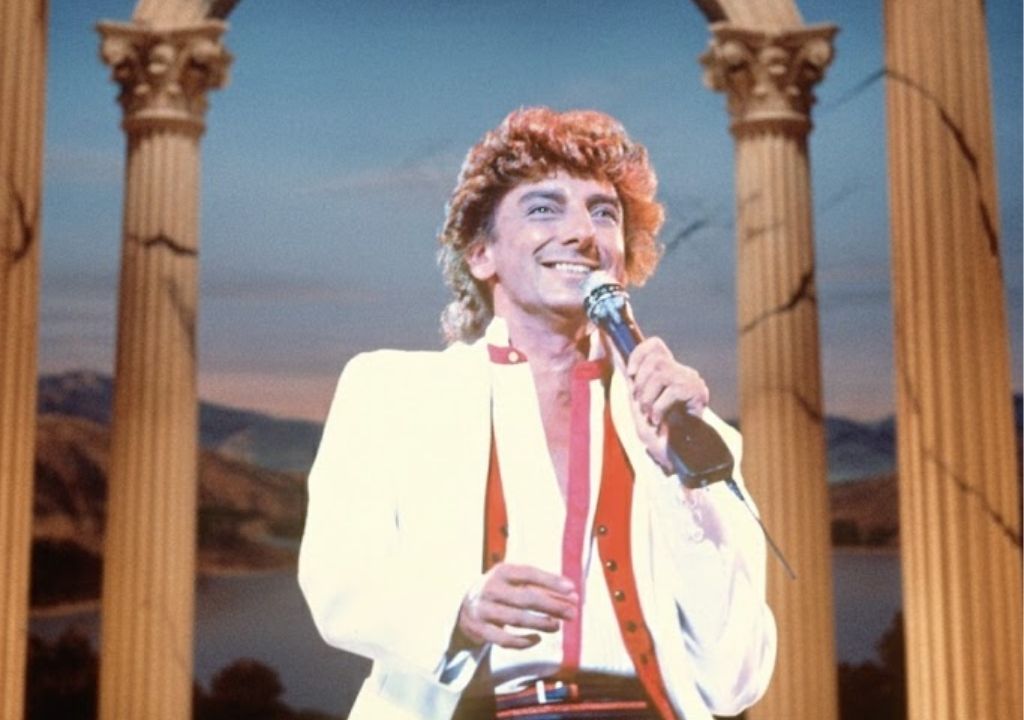

Introduction
Before the neon lights, before the glitter, before the song became an anthem of late-night dance floors around the world, “Copacabana” was something far darker—almost unsettlingly so. To millions, it sounds like a playful, vintage slice of disco-pop, a burst of color with a trumpet punch that refuses to let your feet stay still. But behind the glitter lies one of the most devastating stories Barry Manilow ever recorded, a narrative of love, obsession, violence, and unbearable loss.
When Manilow released “Copacabana” in 1978, the world was drowning in disco fever. Music was loud, bodies were moving, and nightclubs were temples of escape. But Manilow—known for emotional ballads like “Mandy” and “Weekend in New England”—did something no one expected. He stepped into the disco era not with a simple party track, but with a cinematic tragedy disguised as a dance hit.
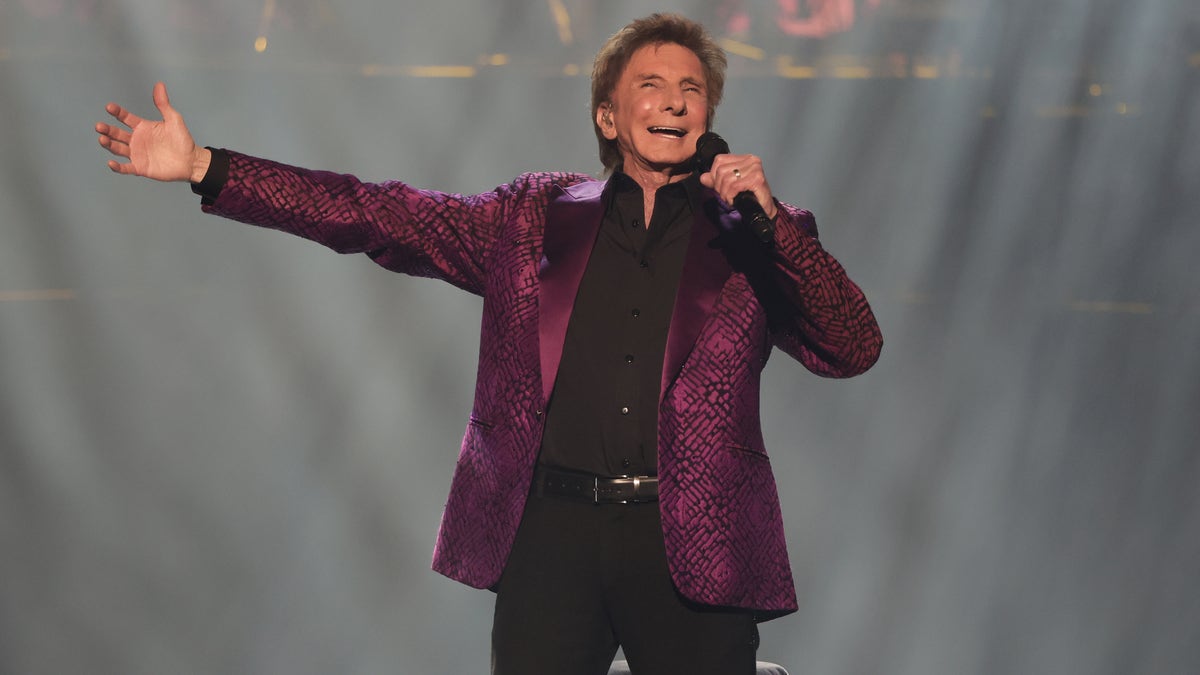
At its core, “Copacabana” is a three-act drama packed into a four-minute song. You can almost see the smoky lights of the famous nightclub, smell the liquor, feel the sticky heat of a crowded room where dreams and danger brush shoulders. Manilow builds the world with the precision of a filmmaker: Lola the showgirl shimmering in yellow feathers, Tony the bartender watching her with soft devotion, and Rico—the flashiest, most dangerous man in the room—entering the story like a warning shot.
The brilliance of Manilow’s performance lies in the way he balances that infectious disco pulse with the chilling unraveling of the narrative. The rhythm may sparkle, but his voice carries the tension of a storyteller who knows a tragedy is coming. Every verse grows heavier, every detail sharper. When the fight breaks out—when Rico’s jealousy explodes—the music doesn’t slow down, but the atmosphere fractures. This is Manilow’s genius: he makes you dance your way straight into heartbreak.
By the final verse, the glitter is gone. The Copacabana is no longer a nightclub—it’s a memory, a ghost, a graveyard of one woman’s former joy. Lola is alone, her beauty faded, her mind stuck in the night she lost Tony forever. And the bright, bouncing melody suddenly feels cruelly ironic.
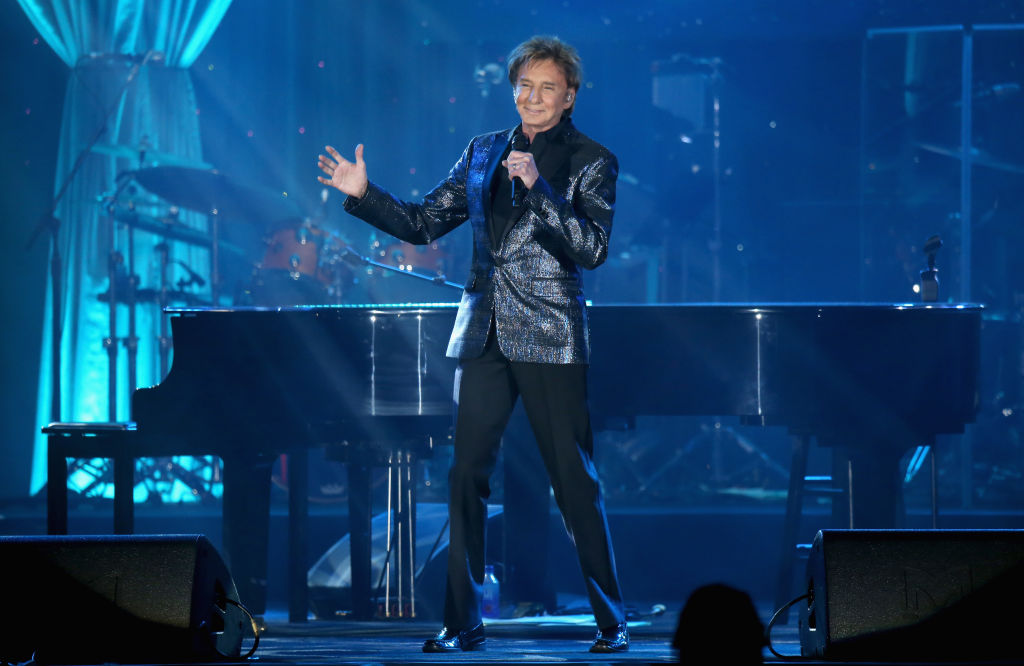
This is why “Copacabana” has survived decades of changing tastes, why it keeps returning to playlists, films, and dancefloors. It isn’t just a disco song. It’s a cautionary tale wrapped in sequins. A tragedy disguised as a party. A reminder that even the brightest lights can cast the darkest shadows.
And that’s the twist most listeners never see coming.
Video: Barry Manilow – Copacabana (At the Copa) (Remix)