 By admin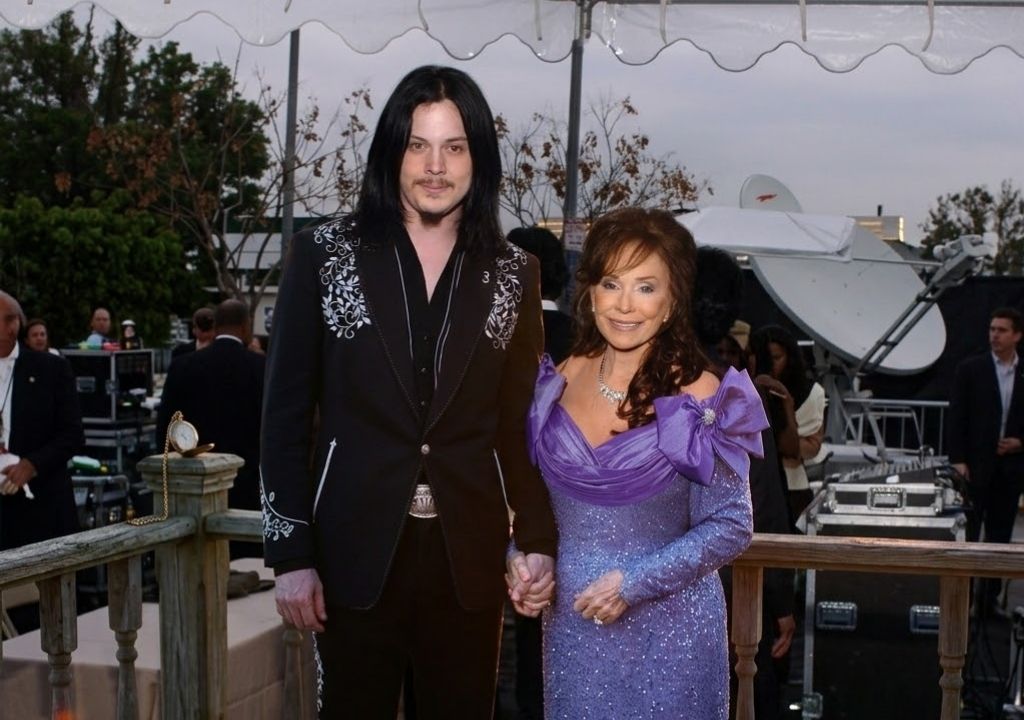

INTRODUCTION
The air in the tracking room vibrated with the jagged, overdriven frequency of a Fender Twin Reverb, a sonic texture fundamentally alien to the pristine traditions of the Grand Ole Opry. In 2004, Loretta Lynn, then 72, stood amidst the vintage gear of a Nashville studio, embarking on a collaboration that many industry insiders initially dismissed as a stylistic curiosity. By handing the production reins to Jack White, the enigmatic frontman of the White Stripes, Lynn did not merely seek a comeback; she sought a radical excavation of her own artistry. This was the inception of Van Lear Rose, an album that would dismantle the ageist constraints of the music industry and prove that the core of country music—its storytelling—retains a visceral power that transcends the boundaries of genre and time.
THE DETAILED STORY
The narrative of Van Lear Rose is defined by a meticulous rejection of the safe, mid-tempo polish that had come to define late-career country albums. Instead, White and Lynn opted for a paradigm of raw spontaneity, recording most tracks in just a few takes with a skeletal band of Detroit rockers. This aesthetic choice highlighted the enduring grit of Lynn’s vocal delivery, stripping away decades of production lacquer to reveal the sharp, unyielding edge of the “Coal Miner’s Daughter.” The album’s title track and the haunting “Portland, Oregon” demonstrated a seamless fusion of White’s garage-rock dissonance and Lynn’s traditional melodic sensibilities. This was not a veteran artist chasing modern trends, but a master of her craft recognizing a kindred spirit in a younger generation’s quest for authenticity.

The critical and commercial impact was instantaneous, culminating in two Grammy Awards, including Best Country Album, and a profound cultural recalibration. For Lynn, the project represented what she described as a “second birth,” a moment where she reclaimed her narrative sovereignty after decades of navigating the shifting tides of the Nashville machine. It introduced her fiercely honest lyricism to a global audience of young listeners who had previously viewed country music through a lens of kitsch or nostalgia. By embracing the avant-garde without sacrificing her rural identity, Lynn established an authoritative precedent for aging artists: that growth is not a betrayal of the past, but an essential evolution of the present.
As we analyze this chapter of her legacy, the inevitability of her influence becomes undeniable. Van Lear Rose did more than revitalize a career; it asserted that true artistic authority is found in the willingness to be vulnerable to new influences. Lynn’s collaboration with White remains a blueprint for how legacy can be revitalized through risk, proving that a voice forged in the poverty of Butcher Hollow could still resonate with the sonic anxieties of the twenty-first century. The album stands as a definitive reminder that the rose of Van Lear never truly fades; it simply requires the right environment to bloom with a renewed, sharpened intensity.