 By admin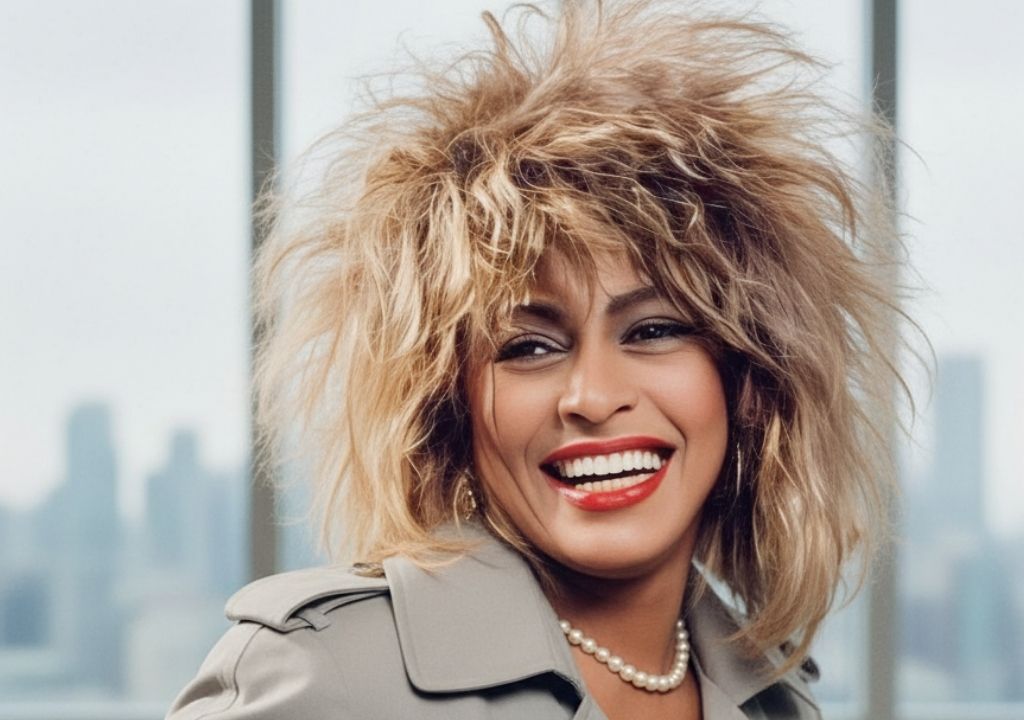
Introduction
There is a specific kind of electricity that fills the air the moment those first shimmering, synthesized notes of The Best ripple through a speaker. It is a sound that immediately transports you back to the neon-soaked late 1980s, a time when music felt larger than life and voices had the power to move mountains. When we talk about the “Queen of Rock ‘n’ Roll,” we aren’t just using a title; we are describing the sheer, unadulterated force of nature that was Tina Turner. This song, perhaps more than any other in her illustrious catalog, serves as the definitive anthem for anyone who has ever been truly, madly, and deeply in awe of another human being.
Released in 1989 as part of her Foreign Affair album, the track was actually a cover of a Bonnie Tyler song released a year prior. However, in the hands of Tina, it became something entirely different. She didn’t just sing the lyrics; she reclaimed them. Where others might have approached the song with a soft touch, Tina infused it with her signature “raspy honey” vocals—that perfect blend of grit, soul, and soaring power. It is the sound of a woman who had seen the lowest valleys of life and had finally climbed to the highest peaks, looking back with a heart full of gratitude and a spirit that could not be broken.

The atmosphere of the song is quintessential arena rock. It’s built for stadiums, designed to make thousands of people lift their hands in unison. The production is polished and grand, featuring that iconic, wailing saxophone solo by Edgar Winter that feels like a physical manifestation of joy. Every time that sax kicks in after the bridge, it’s impossible not to feel a surge of adrenaline. It captures that breathless feeling of being in love—the kind of love that makes you feel invincible, the kind that makes everything else in the world fade into the background.
For those of us who grew up with this sound, The Best is more than just a radio hit; it is a memory capsule. It reminds us of long drives with the windows down, of wedding dances where the world seemed to stop spinning, and of the resilient image of Tina herself—the big hair, the leather jacket, and that defiant, beautiful smile. She taught us that greatness isn’t just about talent; it’s about the courage to stand up and declare your worth. When she belts out the chorus, it isn’t just a compliment to a lover; it feels like a celebration of life itself. Even decades later, the song remains timeless, reminding us that in a world of “good enough,” we should always strive for what is simply, undeniably, the best.