 By admin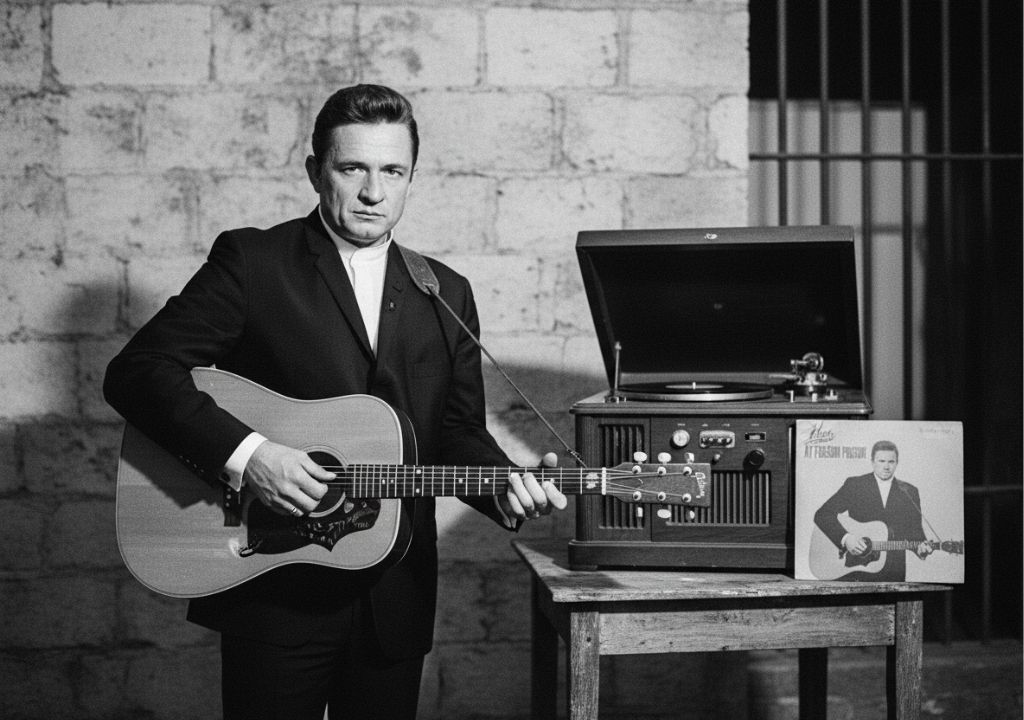
Introduction
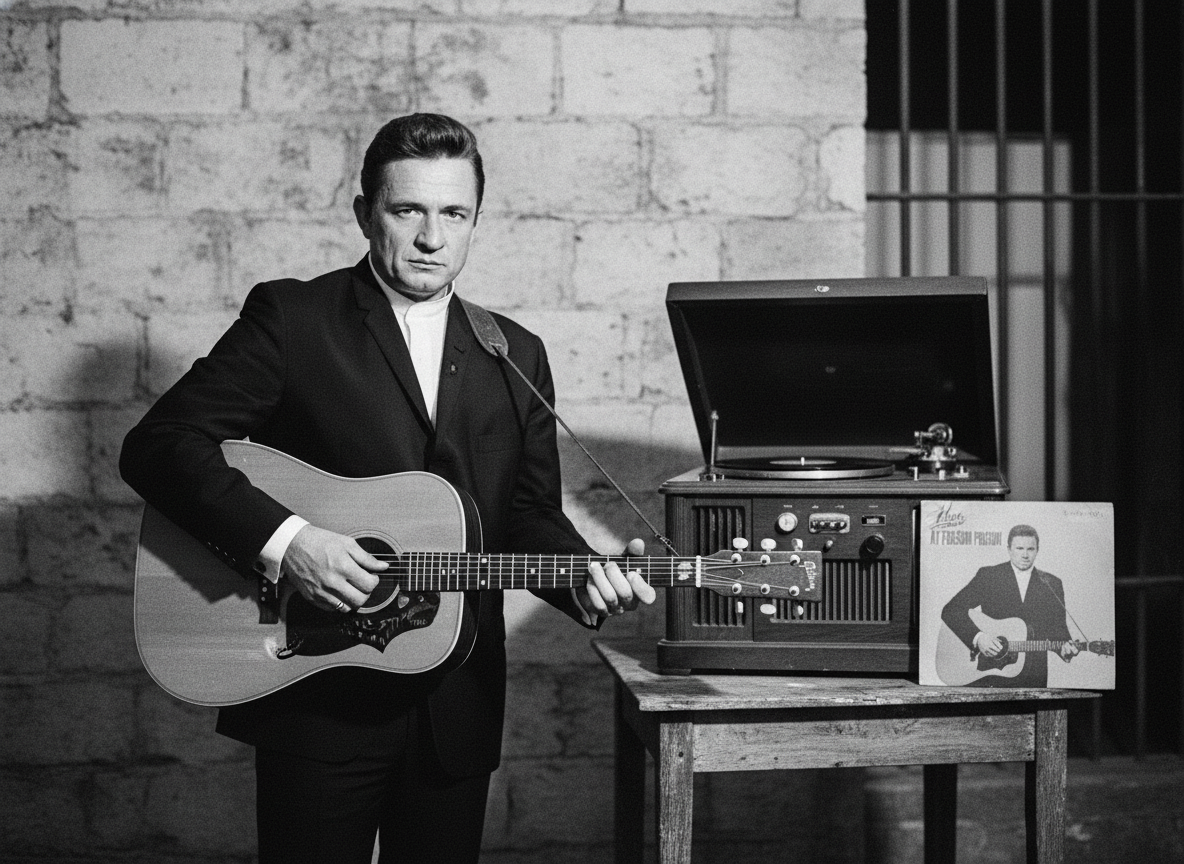
There are certain albums that act as time machines. For many of us, dropping the needle on Johnny Cash’s At Folsom Prison takes us right back to 1968—a year of immense change, social upheaval, and a longing for authenticity. Today, let’s take a stroll down memory lane and explore why this specific moment in music history remains a cornerstone of our collective heritage.
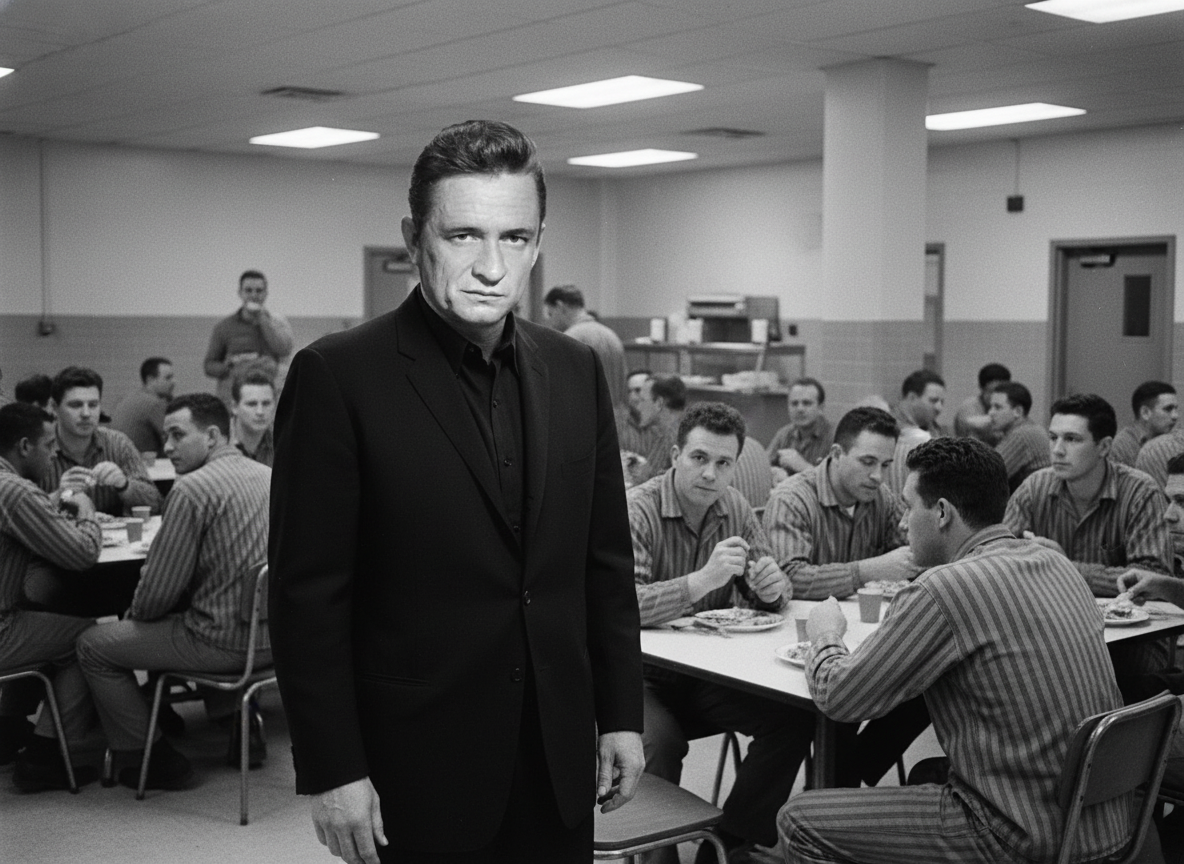
The Detailed Story In 1968, the world was in turmoil. Between the Vietnam War and the civil rights movement, there was a profound sense of division. Into this chaos stepped Johnny Cash, clad in black, standing in a prison cafeteria. For those of us who lived through it, Johnny represented a bridge. He was a man of faith who understood the sinner; a patriot who questioned the system; a superstar who preferred the company of the “lowly.”
The Folsom Prison concert was a pivotal moment in the “Silver” generation’s musical journey. It taught us that country music could be gritty, political, and deeply spiritual all at once. When we hear the rattling of the cafeteria trays and the announcements over the prison intercom between songs, it doesn’t just feel like a recording—it feels like an experience. It reminds us of a time when music had “teeth.”
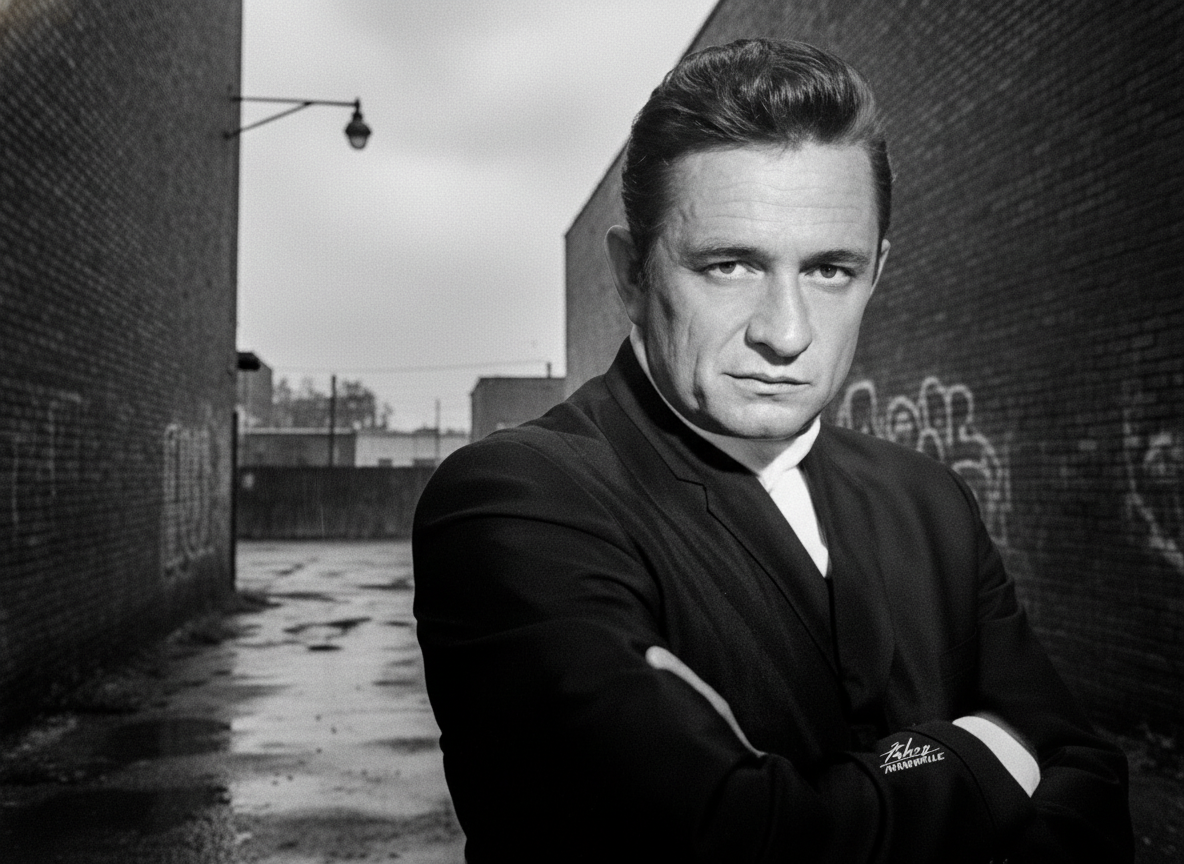
Johnny’s journey at Folsom was also a personal turning point. Before this album, his career was flagging due to his personal demons. This concert was his redemption. We watched him “walk the line” in real-time, moving from the darkness of addiction toward the light of June Carter’s love and his own spiritual awakening. That resilience is something we all carry with us. Whether we were young rebels then or are looking back with wisdom now, Johnny’s Folsom story is our story—a story of falling down and finding the strength to get back up, louder and stronger than before.
It’s more than just “outlaw country.” It’s a testament to the enduring power of the human spirit. Johnny Cash didn’t just sing for the prisoners; he sang for anyone who ever felt trapped by their own mistakes. And that, dear friends, is why we still listen.