 By admin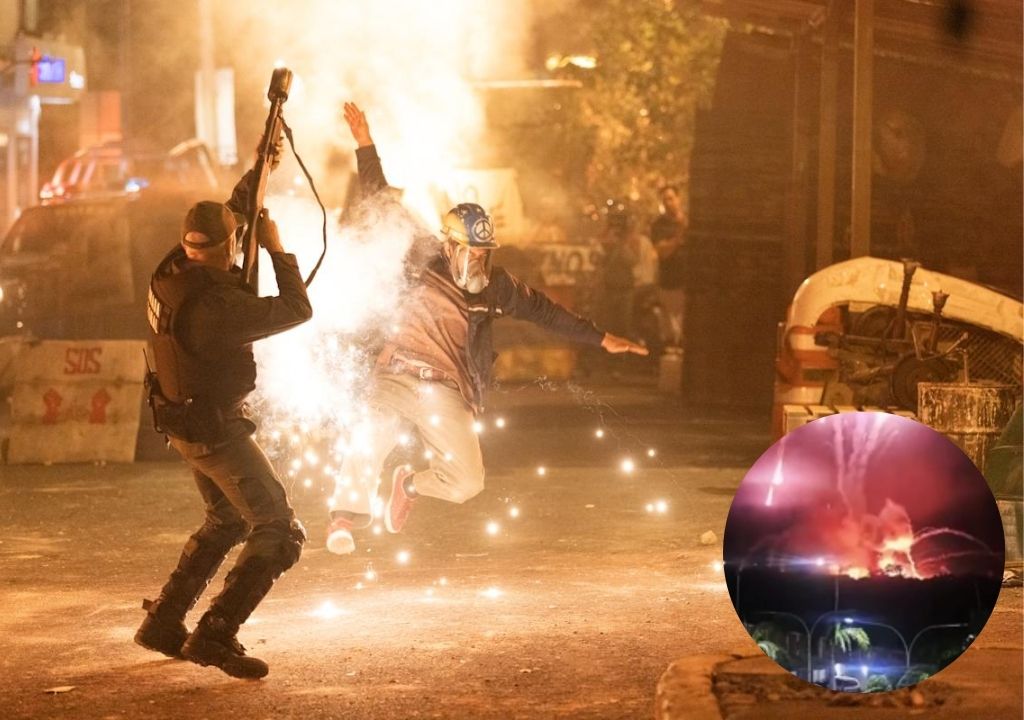

Introduction
Midnight in Caracas: The US Raid That Divided the World
On a dramatic Saturday night that shifted the geopolitical landscape, US military forces executed a high-stakes operation in Caracas, resulting in the capture of Venezuelan President Nicolás Maduro. While the move was hailed by the White House as a triumph for democracy, it has triggered a firestorm of international condemnation and sparked a heated debate over the legality of unilateral military interventions.
A Global Outcry from Rivals and Neighbors

The reaction from Caracas’s long-standing allies was swift and severe. Russia and Iran immediately denounced the operation, with Moscow demanding the release of the “legally elected president” and his wife. Despite the diplomatic pressure, President Trump remained undeterred, stating he was “not thrilled” with Vladimir Putin and confirming that the two leaders had not discussed the mission during recent communications.
China joined the chorus of disapproval. Just hours before the raid, a Chinese delegation had met with Maduro. Following his capture, Beijing urged Washington to ensure Maduro’s personal safety and demanded an end to the practice of “toppling sovereign governments.” Within the region, Mexican President Claudia Sheinbaum condemned the attack, noting that her cabinet would begin assessing the future of Mexico’s relationship with Venezuela. Similarly, Chilean President Gabriel Boric warned that the raid set a “dangerous precedent” for international relations.
A Fractured Western Response
Even among Washington’s traditional allies, the consensus was far from uniform. The European Union expressed grave concern, emphasizing the need to respect international law despite Maduro’s lack of democratic legitimacy.
-
France: President Emmanuel Macron was particularly vocal, stating that the US operation “undermined international law” and insisting that no lasting solution to Venezuela’s crisis could be imposed from the outside.
-
Germany: Chancellor Friedrich Merz took a nuanced stance, acknowledging that Maduro had led his nation to ruin but labeling the US military action as “legally complex.”
-
United Kingdom: Prime Minister Keir Starmer stated the UK would “shed no tears” for the Maduro regime but pointedly distanced his government from the operation.
In contrast, Italy and Israel offered full-throated support. Prime Minister Giorgia Meloni defended the raid as “legitimate and defensive,” while Benjamin Netanyahu praised Donald Trump for his “bold and historic leadership,” framing the US as the definitive leader of the free world.
A New Era of US Dominance?

Analysts are already drawing parallels between this mission and the Iraq War, but with a significant shift in strategy. Unlike previous administrations that sought to build broad international coalitions to provide a veneer of legality, the current US approach appears more unilateral.
With Venezuela possessing the largest oil reserves on the planet, the stakes extend far beyond regime change. As the dust settles in Caracas, the world is left to grapple with a new era of American dominance—one where the “stamp of approval” from the UN Security Council seems increasingly secondary to the exercise of raw military power.