 By admin
Introduction
Mississippi Legend: Conway Twitty — A Reimagined Retelling
To understand the rise of Conway Twitty, you have to begin in an unlikely place: a tiny Delta town with a name that sounds like it belongs in a medieval tale. Friars Point, Mississippi—once called Farrar’s Point until its renaming in 1852—was not a mythical village, but a bustling 19th-century cotton port and the only stretch of Coahoma County with direct public access to the Mississippi River. Writers like William Faulkner and Tennessee Williams immortalized its atmosphere, and bluesman Robert Johnson was said to have performed outside Hirsberg’s Drugstore.
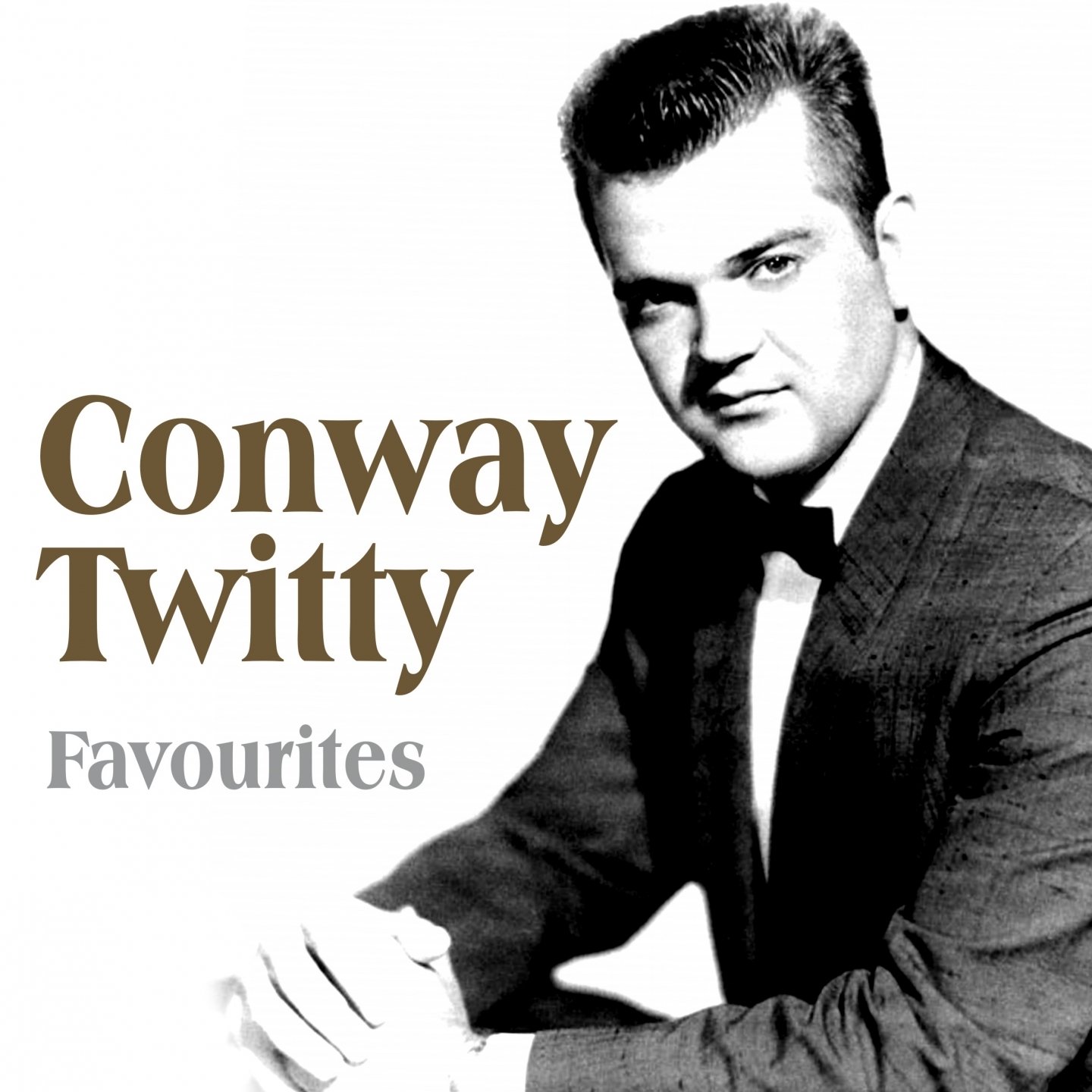
Just outside this historic riverside community, on September 1, 1933, a boy named Harold Lloyd Jenkins—the future Conway Twitty—was born. Named after the silent-film star Harold Lloyd, he was the oldest of three children in a working-class family. His musical spark ignited early: at four years old he received a Sears & Roebuck guitar, and with guidance from his grandfather and a local blues singer, young Harold absorbed the sounds of the Delta. After the family moved to Helena, Arkansas, he formed his first band at twelve and soon appeared on local radio.
Music wasn’t his only gift. Harold excelled at baseball and even earned a contract offer from the Philadelphia Phillies. But before he could pursue that dream, he was drafted into the U.S. Army. Stationed in Japan, he played on the Army baseball team and formed a band called the Cimarrons. When he returned home in the mid-1950s, the pull of Memphis—and the explosive rise of Elvis Presley—drew him into the world of Sun-era rock ’n’ roll. MGM eventually signed him, but he needed a stage name. Borrowing from two towns—Conway, Arkansas, and Twitty, Texas—Conway Twitty was born.
His first major hit, the rock ’n’ roll anthem “It’s Only Make Believe” (1958), topped charts around the world and sold eight million copies. But despite his success in pop, Conway’s heart belonged to country music. After signing with producer Owen Bradley in 1965, he scored his first country hit with “Next in Line.”
Then came the song that defined him: “Hello Darlin’.” Released in 1970, it became his signature opener, a timeless entry point into his velvet-smooth style. Around this time, an extraordinary partnership began. Loretta Lynn—already a fan from his rock days—found instant harmony with Conway backstage at a show in London. Their chemistry led to eleven studio albums, five consecutive CMA Duo of the Year awards, a Grammy for “After the Fire Is Gone,” and classic duets like “Louisiana Woman, Mississippi Man.”

Conway’s ambitions extended beyond the stage. In 1982, he opened Twitty City, a unique complex featuring family homes, a museum, gift shops, and seasonal concerts. It became a beloved Nashville attraction and a symbol of his devotion to his family and fans.
Twitty’s life ended suddenly in 1993 after suffering an abdominal aneurysm, but his influence endures: 55 No. 1 hits across five decades, induction into the Country Music Hall of Fame, and a permanent marker on the Mississippi Country Music Trail in Friars Point.
More than a star, Conway Twitty is remembered as a gentleman—someone who believed success meant doing what you love while caring for the people you love. That legacy remains the sweetest part of his extraordinary story.