 By admin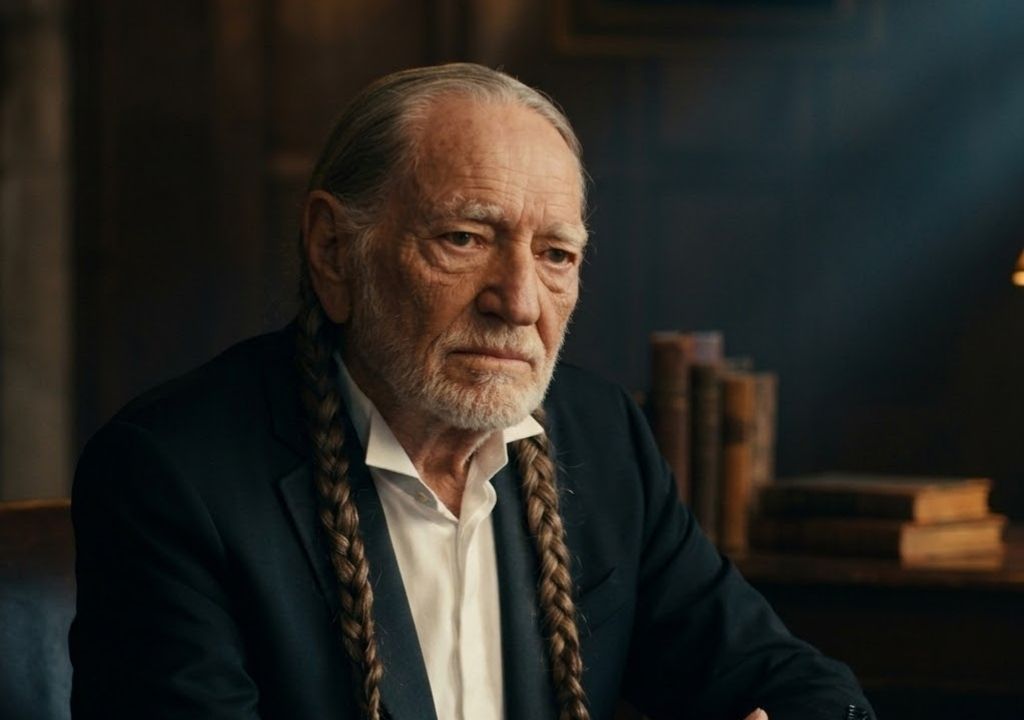
Introduction
Beyond the Bus: The Resilience, Regrets, and Radical Honesty of Willie Nelson
In the pantheon of American icons, Willie Nelson occupies a space that is entirely his own. He is the Red-Headed Stranger, the outlaw king of country music, and perhaps the only man alive who can make a high-stakes poker game on a tour bus feel like a spiritual experience. But behind the haze of Maui wowie and the timeless strumming of “Trigger,” lies a man who has navigated depths of sorrow that few can imagine.
In a rare, soul-baring reflection, the 92-year-old legend recently opened up about the peaks and valleys of a life lived at full throttle. When asked about his ultimate low point, Nelson didn’t point to his infamous battles with the IRS or the various “downs” of the music industry. Instead, he spoke with the quiet gravity of a father who has endured the unthinkable: the loss of his son, Billy.
“Everything else seems to pale in comparison,” Nelson remarked, his voice carrying the weight of decades. “I got through that one. So, I figure if you get through that, you can get through anything.” It is a testament to Nelson’s rugged stoicism—a philosophy that suggests grief isn’t something you move past, but something you carry until it becomes a part of your strength.
Yet, for every shadow in Willie’s life, there is a vibrant, often hilarious light. The conversation shifted toward his notorious reputation for “hosting” fellow celebrities on his bus. The legends are true: whether it’s Woody Harrelson or the late Toby Keith, guests often find themselves in a cloud of expensive smoke before losing their shirts at the poker table.
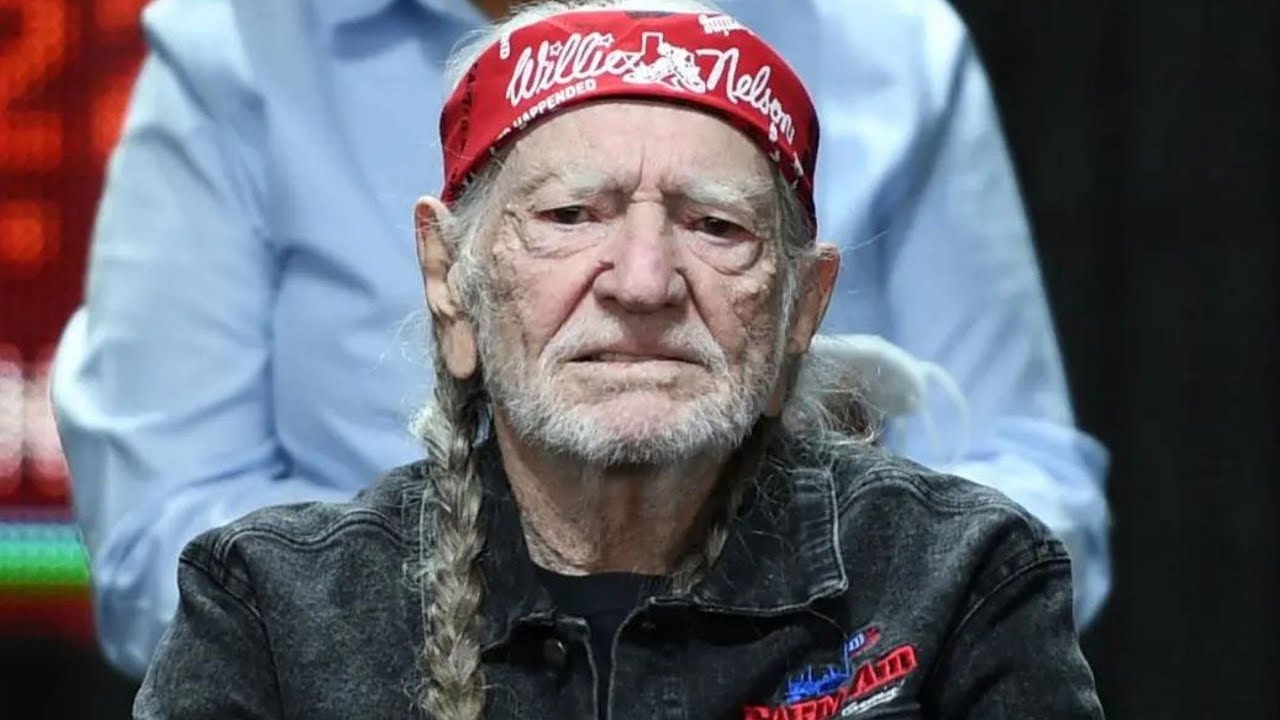
Nelson chuckled as he confirmed the existence of his clandestine poker club in Maui, aptly named “Django.” Regarding the viral story of Woody Harrelson allegedly losing $40,000 in a single sitting and being “held hostage” until he paid up, Willie flashed that mischievous, world-famous grin. “It’s a good story,” he teased, neither fully confirming nor denying the figure, but leaving the outlaw myth firmly intact.
Perhaps the most surprising revelation, however, was Nelson’s musical North Star. While the world sees him as a country pioneer, Willie views himself through the lens of jazz and swing. His greatest influence? Frank Sinatra. Nelson credits Ol’ Blue Eyes with teaching him the art of phrasing—the ability to sing a line “the way he wanted to,” slightly behind the beat, with a conversational flow.
This connection to Sinatra culminated in a deep friendship and several recordings, though it also harbors Nelson’s greatest professional regret. “The last time I saw him, he invited me to his house, and for some reason, I couldn’t do it,” he shared. “I’ve always regretted that.”
Today, Willie finds solace in “Healing Hands of Time,” a song he penned that emphasizes positivity and the slow, certain mending of the soul. It is a fitting anthem for a man who has won big, lost heavy, and somehow remained the most authentic voice in American music. As he looks at his thriving family and his “great kids,” it’s clear that while the poker games continue and the smoke never clears, Willie Nelson has finally found his peace.