 By admin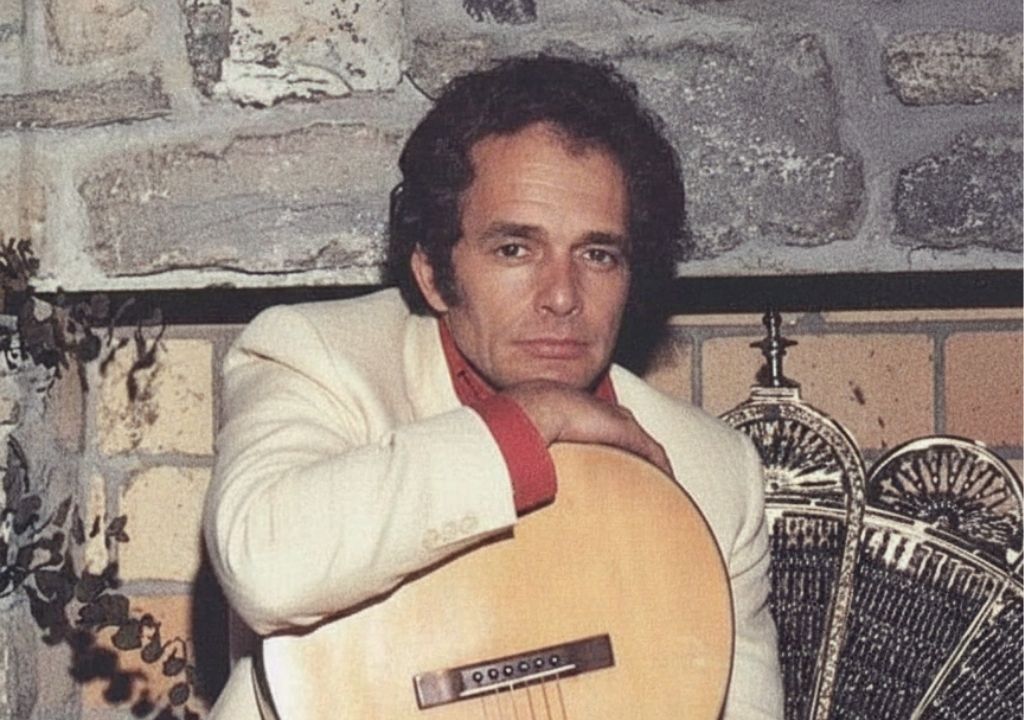
INTRODUCTION
The year was 1935, and the Central Valley of California was a destination of last resort for those fleeing the desiccated ruins of the Oklahoma Dust Bowl. James Haggard, a carpenter for the Santa Fe Railroad with a meticulous eye for structural integrity, surveyed a decommissioned 1910 Santa Fe refrigerator car (SFRD) resting on a vacant lot at 1303 Yosemite Drive. While others saw a rusted remnant of the industrial age, James envisioned a refuge. In a transaction that would become legendary in the annals of American music history, the family secured the unit—some records cite a $500 purchase, others a trade for labor—and began the transformative work of turning a cold storage vessel into a “wood and stucco jewel box.”
THE DETAILED STORY

The conversion of the boxcar was an exercise in radical resourcefulness. James Haggard utilized his professional expertise to carve windows and doors into the thick, insulated walls, which his daughter Lillian would later recall kept the interior cool during the 100°F Bakersfield summers and warm in the damp winters. This was not a makeshift camp, but a sophisticated adaptation; the family added a pop-out dining area, a wash house, and a hand-poured concrete bathroom. Flossie Mae, Merle’s mother, softened the industrial edges with floral wallpaper, climbing roses, and a grape arbor, creating a domestic paradox: a home of high aesthetic dignity born from a landscape of extreme scarcity.
Merle Ronald Haggard was born into this innovative structure on 04/06/1937. His early childhood was defined by the rhythm of the nearby tracks, a literal and figurative foundation that would later permeate his songwriting. However, the stability of the boxcar sanctuary was shattered in 1945 when James Haggard suffered a fatal brain hemorrhage. The loss of the family’s architect—both of their home and their social order—plunged the young Merle into a period of profound rebellion. The boxcar, once a symbol of ingenuity, became a silent witness to his descent into truancy and eventual incarceration. Yet, the memory of that home remained his most potent narrative anchor, informing the grit and authenticity of what would become the “Bakersfield Sound.”

The legacy of the Oildale boxcar was nearly lost to the elements until a collective of historians and fans intervened. In 2015, the structure was meticulously relocated to the Kern County Museum in Bakersfield. Both Merle and his sister Lillian attended the relocation ceremony on 07/29/2015, witnessing the preservation of their “mama’s house” as a historic landmark. Now restored to its 1950s condition, the boxcar stands not as a monument to poverty, but as a testament to the sophisticated resilience of the American spirit. It serves as a permanent reminder that the most enduring artistic legacies often originate in the most unconventional, yet meticulously crafted, environments.