 By admin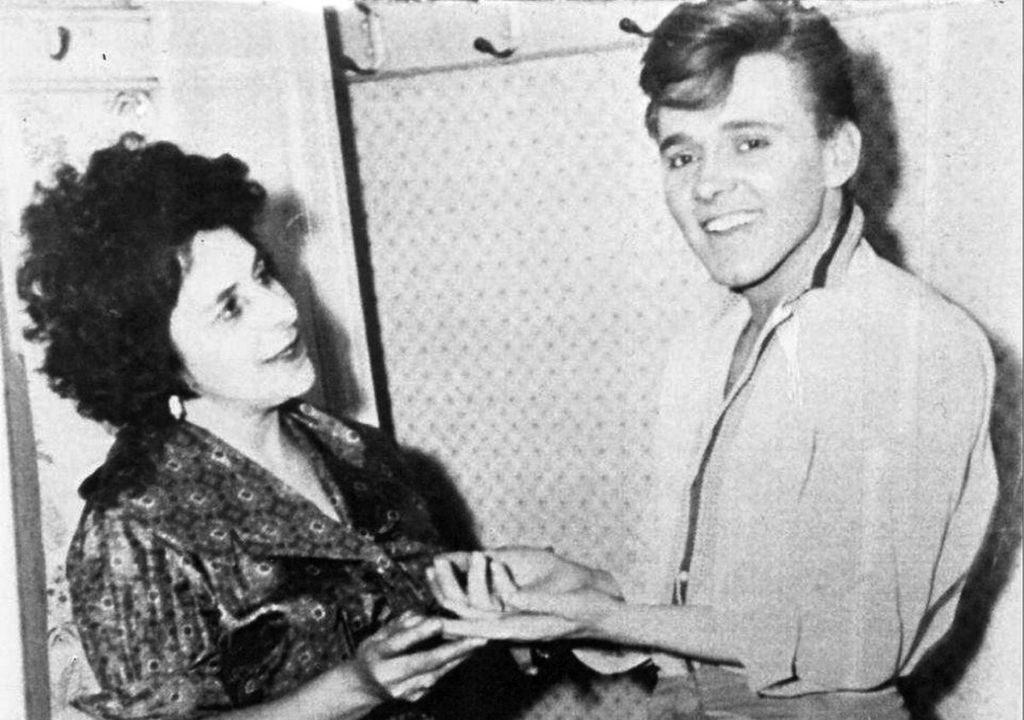
INTRODUCTION
The winter of 1946 in Liverpool was characterized by a biting chill that seeped through the brickwork of the Wycherley household, but for six-year-old Ronald Wycherley, the cold was internal. What began as a routine childhood ailment rapidly escalated into the agonizing joints and soaring temperatures of rheumatic fever, a diagnosis that, in the pre-penicillin era of the mid-1940s, carried the weight of a lifelong sentence. This was the moment the music began—not in a melody, but in the irregular, damaged thrum of a mitral valve. Before he ever stepped onto a stage as Billy Fury, the boy had already been forced into a meticulous negotiation with his own mortality, a paradigm that would haunt every platinum record and sell-out performance of his career.
THE DETAILED STORY
The medical prognosis delivered to his parents was direct and devoid of hyperbole: the fever had left Ronald’s heart permanently scarred. Doctors in the late 1940s operated with a grim precision, suggesting the boy might not survive to see his thirtieth year. This “prophecy” of an early exit became the foundational architecture of his persona. While his contemporaries in the burgeoning rock-and-roll scene of the 1950s projected an image of invincible youth and physical aggression, Fury offered something entirely more nuanced. He was the “shy star,” a performer whose vulnerability was not a calculated marketing tactic, but a physiological reality. Every high-energy set was a precarious gamble against a heart that could, at any moment, lose its tempo.
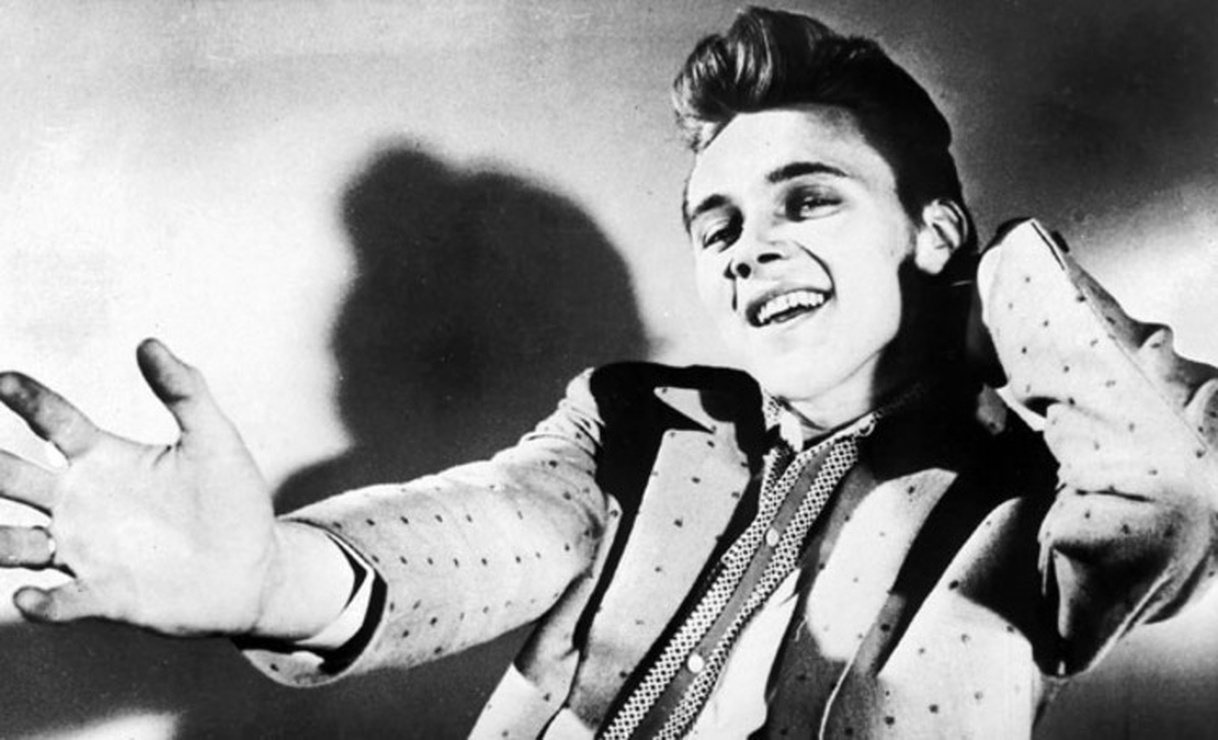
This inevitable collision between his physical frailty and his professional ambition created a unique narrative tension. In 1958, when he famously walked into Larry Parnes’ dressing room with a handful of self-penned songs, he wasn’t just looking for a contract; he was seeking a legacy before his time expired. His music—haunting, soulful, and often tinged with a melancholic urgency—reflected a man who understood that his duration was limited. Even as he achieved eleven top-ten hits, including the iconic “Halfway to Paradise,” he remained a figure of quiet solitude, preferring the company of his horses and the stillness of the countryside to the chaotic decadence of London’s nightclub circuit.
Ultimately, Fury’s life became a masterclass in the human capacity to transcend biological constraints. He defied the initial medical expectations by over a decade, finally succumbing to his long-standing heart condition in January 1983 at the age of 42. His story is not one of tragedy, but of a sophisticated defiance against a predetermined end. He utilized his perceived weakness to craft an authoritative brand of British rock that favored emotional depth over superficial bravado. In the end, Billy Fury proved that while a heart may be physically compromised, the resonance of the spirit it powers can remain remarkably undisturbed by the passage of time.