 By admin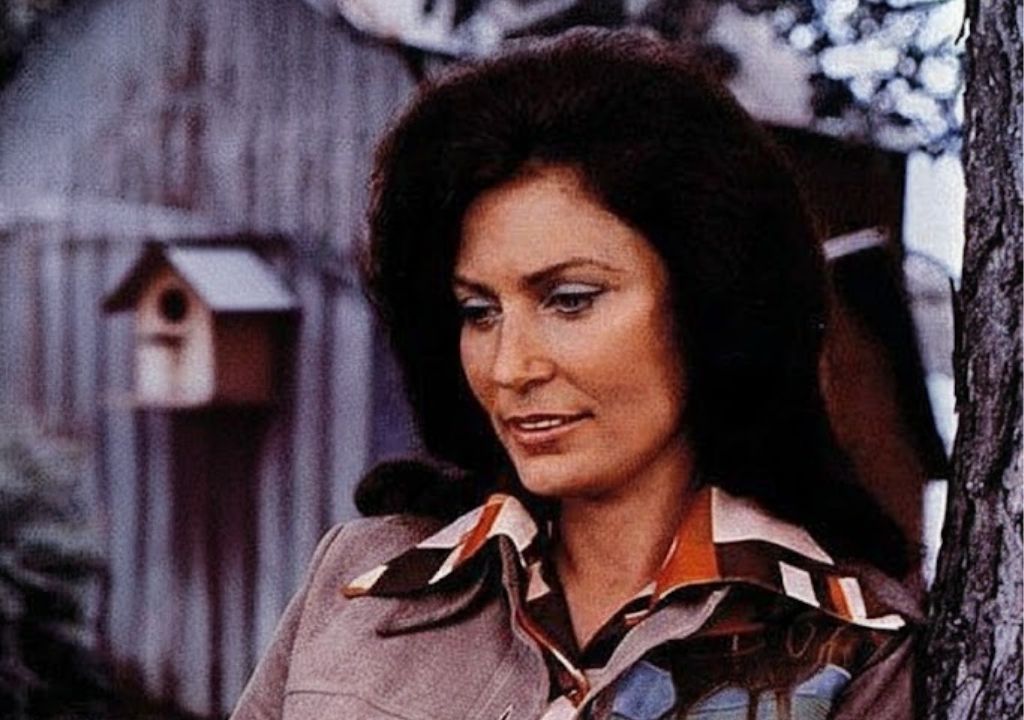
INTRODUCTION
On April 14, 1932, in the dense, fog-laden hollows of Van Lear, Kentucky, a child was born into a landscape where the primary economy was measured in tons of bituminous coal and the physical endurance of the men who extracted it. This was Butcher Hollow—a geography that existed largely outside the American mainstream, characterized by a lack of paved roads and the pervasive presence of the “company store” system. For the young Loretta Webb, life was not defined by the scarcity of material wealth, but by the profound density of family ties and the rhythmic, subterranean labor of her father, Melvin Webb. This environment, often viewed through a lens of pity by outsiders, served as the meticulous blueprint for a career that would eventually redefine the paradigm of the Nashville establishment.
THE DETAILED STORY

The narrative of Butcher Hollow is frequently reduced to a trope of rural struggle, yet the reality of Lynn’s upbringing was a masterclass in dignity and economic ingenuity. Her father’s daily descent into the mines was an act of quiet heroism, providing a stark contrast to the eventual glitz of the Grand Ole Opry. In this vertical landscape, music was not a luxury; it was a fundamental utility for storytelling and preservation. The songs Lynn heard on the front porch were oral histories, teaching her that a lyric’s value was directly proportional to its honesty. When she married Oliver “Doolittle” Lynn at the age of 15 and moved to Washington state, she carried the sonic architecture of the hollow with her, discovering that her specific, localized experiences possessed a universal resonance.
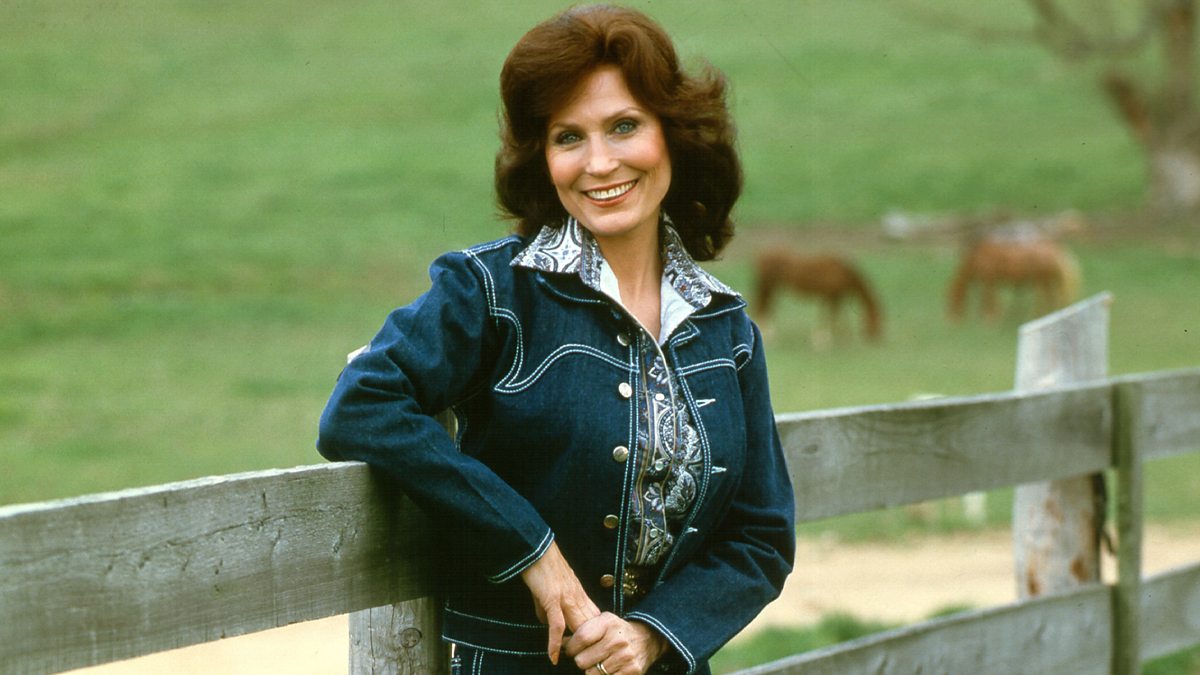
The transition from a coal miner’s daughter to a global icon was catalyzed by a $17.00 guitar and an unwavering commitment to her origins. Lynn’s refusal to sanitize her background created a seismic shift in country music, introducing themes of domestic realism and female autonomy that were previously considered too unrefined for the airwaves. By documenting the nuances of Butcher Hollow—the washboards, the kerosene lamps, and the 50-degree Fahrenheit winters—she elevated the rural experience to the level of high art. She did not merely sing about poverty; she documented the sophistication required to navigate it, proving that the most specific stories are often the ones that speak to the global human condition.
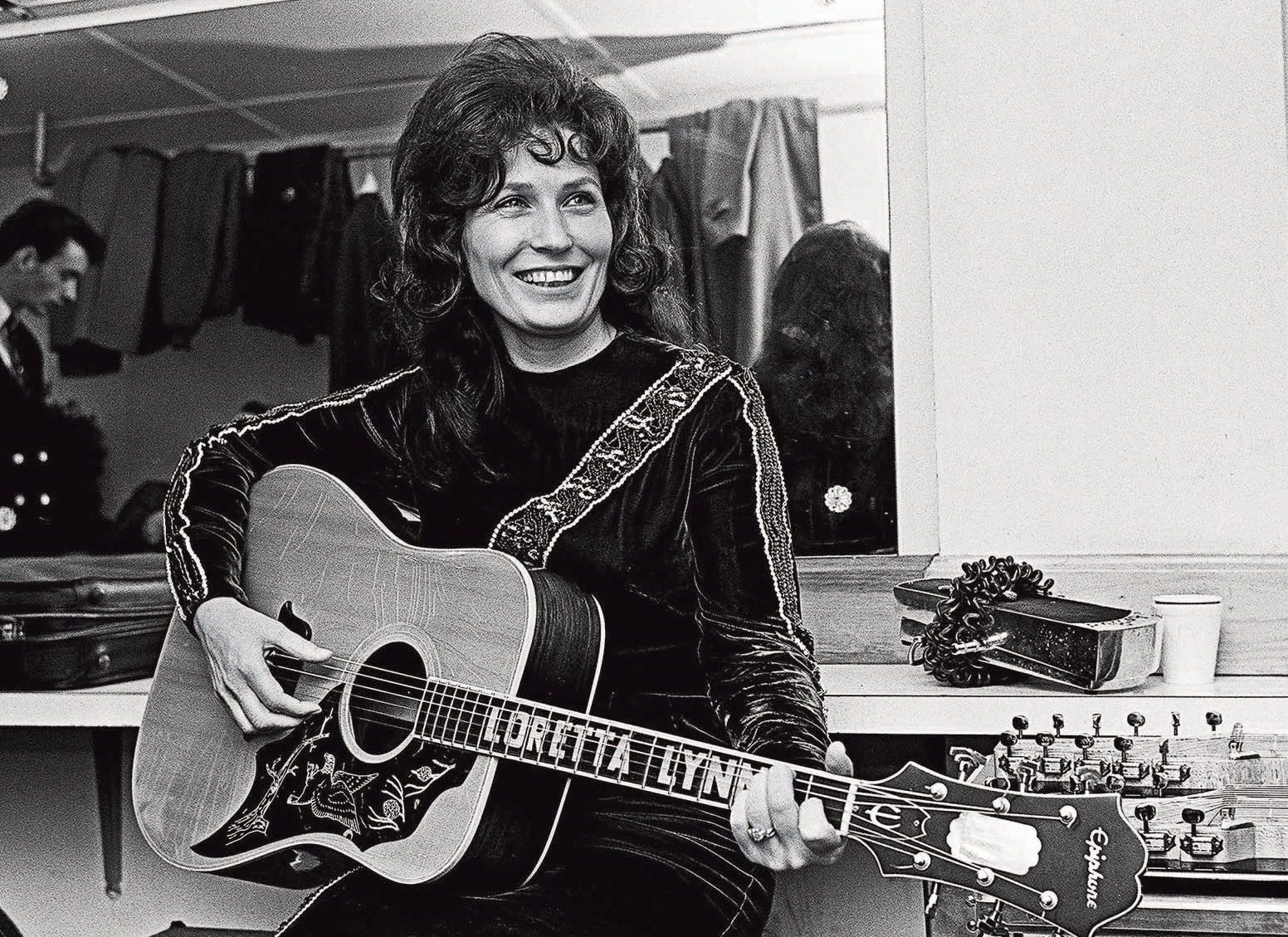
Her legacy remains an inevitable testament to the power of place. While many artists spend their careers attempting to transcend their beginnings, Lynn spent hers meticulously reinforcing them, ensuring that the dust of the Kentucky mines would forever be part of the American musical canon. She proved that the most magnetic art is born from a refusal to apologize for one’s roots, turning a remote corner of Appalachia into a hallowed point of origin for millions of listeners. In the end, the woman from Butcher Hollow didn’t just find her voice; she gave a voice to an entire demographic that the world had previously chosen to ignore.