 By admin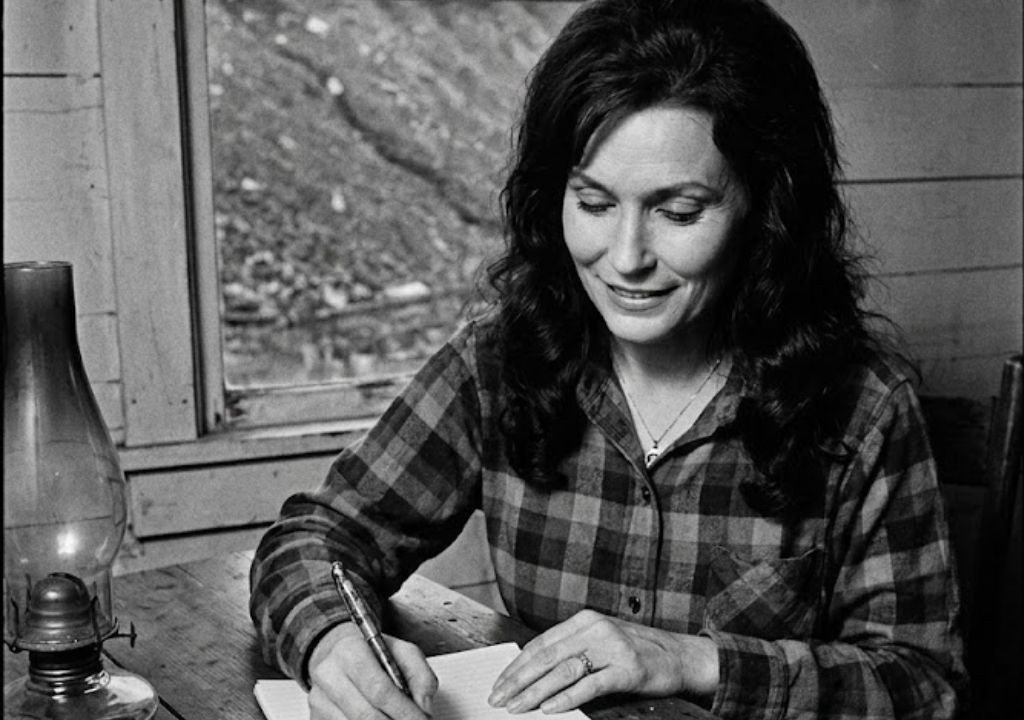

INTRODUCTION
The silence of Butcher Hollow was not empty; it was a pressurized vessel of history waiting for a conduit. In 1970, when Loretta Lynn sat down to compose “Coal Miner’s Daughter,” she was not merely seeking another radio-friendly hit for Decca Records. She was performing a meticulous act of cultural reclamation, documenting a world of shackled coal dust and the rhythmic exhaustion of the Appalachian worker with a precision that bordered on the ethnographic. By the time the final verse was etched into the session logs, Lynn had effectively collapsed the distance between the grand stages of the Ryman Auditorium and the subsistence reality of the Kentucky mines, elevating a specific family history into a universal anthem of the American proletariat.
THE DETAILED STORY
The release of “Coal Miner’s Daughter” represented a fundamental shift in the country music paradigm. During an era when the genre often veered toward the high-gloss production of the “Nashville Sound” or the kitsch of television variety shows, Lynn’s narrative was a jarringly authentic counterweight. The song’s brilliance lies in its lack of sentimentality; it does not mourn poverty but rather catalogs it with a startling, intrinsic dignity. From the “well-water” to the “wash-tub,” every lyric served as a structural support for a new kind of stardom—one built on the transparency of lived experience rather than the artifice of a persona. This was a direct, unfiltered look at the cost of the American dream, rendered in a three-minute masterclass of narrative economy.

The meticulous detailing of her father’s labor and her mother’s resilience challenged the industry to reconsider the commercial viability of the working-class struggle. How could a story of such localized hardship achieve such profound, nationwide resonance? The answer was found in the inevitability of the human connection to roots. For Lynn, the act of writing was a reclamation of her own identity, a moment where she synthesized the pride of her heritage with the power of her platform. The song did more than reach #1 on the Billboard charts; it solidified Lynn as the definitive voice of a demographic that had been historically silenced or caricatured. It transformed the Coal Miner’s Daughter from a biographical detail into a sovereign title.
Ultimately, the song’s legacy is one of structural integrity. It bridged the gap between the mid-century folk tradition and the modern country industry, proving that the most specific stories are often the most universal. As we analyze the track over five decades later, it remains an authoritative thought on the nature of American identity—a reminder that the most durable empires are built not on gold, but on the unyielding grit of those who work beneath the earth. Lynn’s “Coal Miner’s Daughter” was not just a song; it was the blueprint for a legacy that continues to define the soul of a genre.