 By admin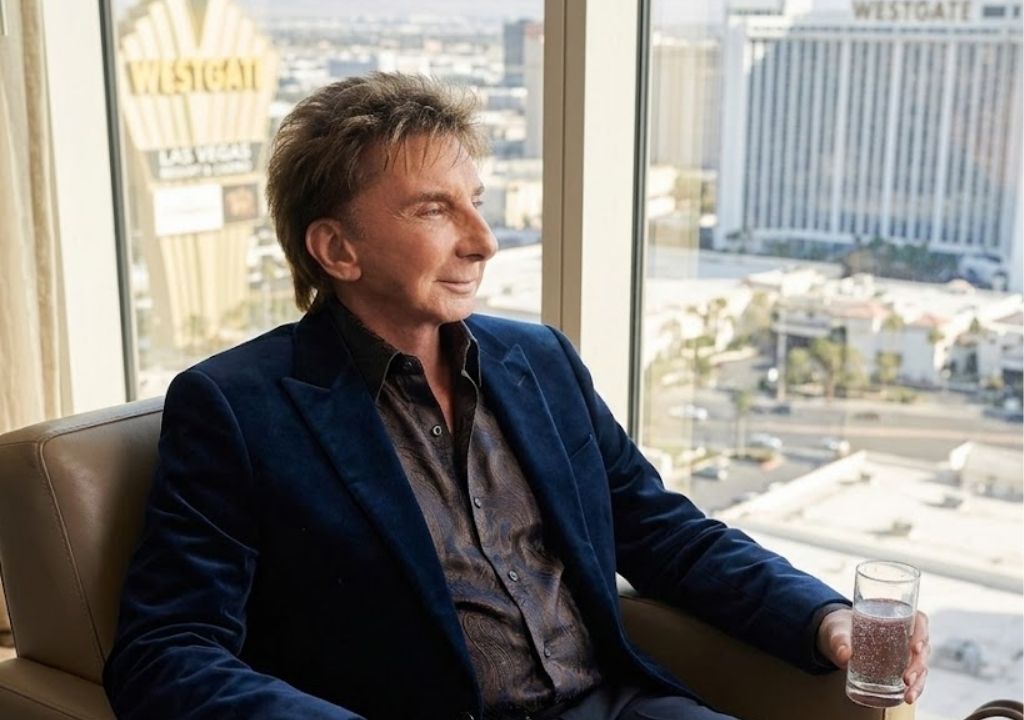
INTRODUCTION
The landscape of American soft rock faced a momentary tremor this April when Barry Manilow, a pillar of the industry for over fifty years, was forced to pause his “The Last Arena Concerts” tour. On April 27, 2026, the official confirmation of a revised summer schedule provided a definitive roadmap for the legend’s return. The decision to shift his Northeast engagements—specifically the highly anticipated “Last Concert” shows in Reading, Newark, and Long Island—to the tail end of June is a calculated maneuver in a career defined by impeccable timing. This isn’t just about calendar management; it is a profound declaration of intent from an artist navigating the delicate balance between physical recovery and professional obligation. As he prepares to step back into the spotlight, the world watches a master of the stage negotiate the final chapters of a touring legacy that has shaped the modern concert experience.
THE DETAILED STORY
The logistical realignment of Barry Manilow’s 2026 tour serves as a masterclass in artist management and personal resilience. Following a challenging recovery period where the singer candidly addressed his weight loss and physical setbacks, the announcement that the final arena dates in the Northeast are now secured for late June offers a sense of closure for fans in Reading (06/25), Newark (06/26), and Long Island (06/27). These performances are being framed not merely as concerts, but as historic “Last Arena” events—symbolizing the end of an era for Manilow’s large-scale touring in these markets. In the high-stakes world of live entertainment, where arena logistics involve millions of dollars in USD, these reschedules represent a significant commitment to fulfilling his promise to the audience while honoring his body’s recovery timeline.
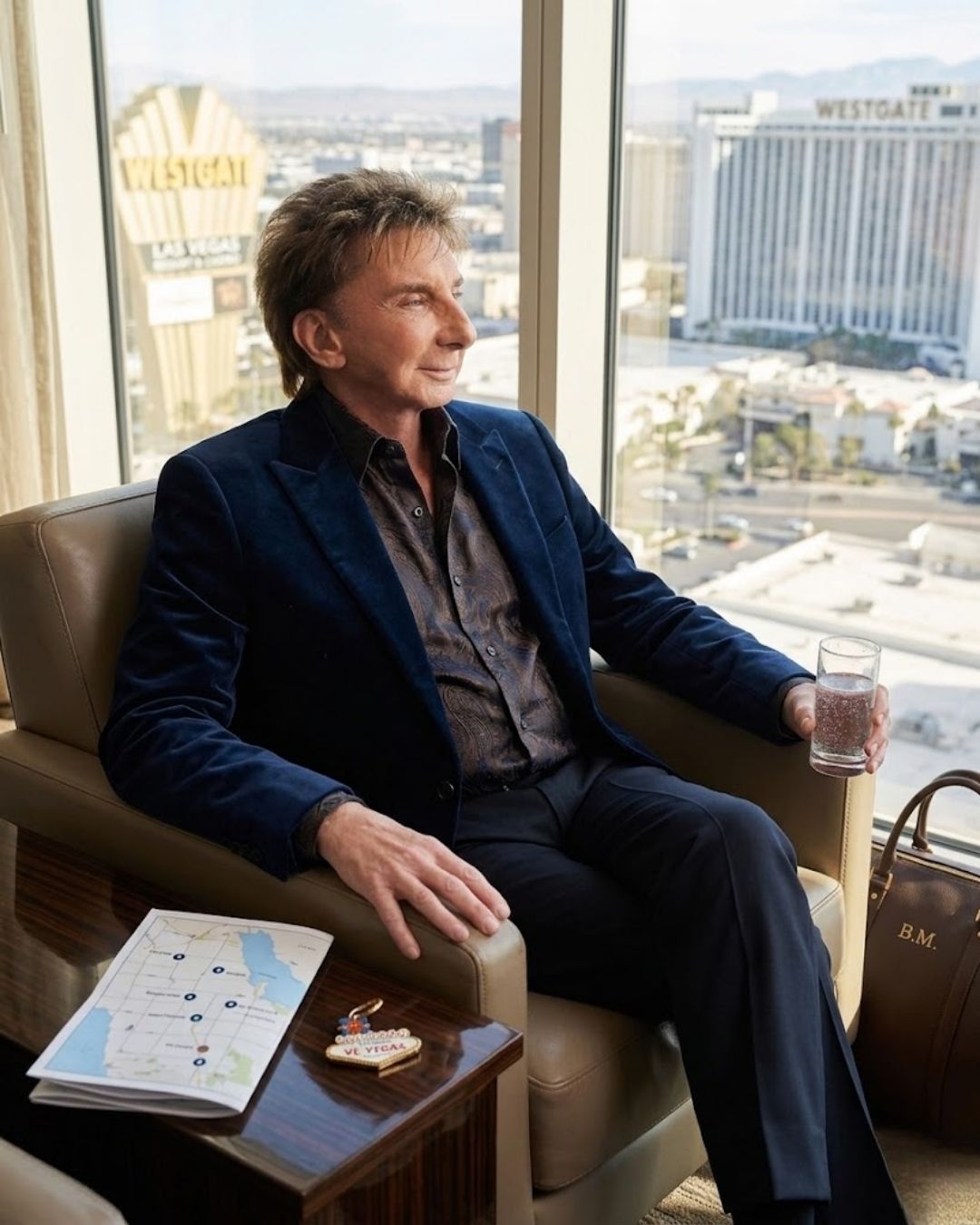
Crucially, the 2026 strategy prioritizes the “stationary” model over the rigors of travel. Manilow is set to resume his beloved Las Vegas residency at the Westgate’s International Theater on May 07, 2026. This residency serves as a strategic “home base,” allowing him to perform 90-minute sets in a controlled environment without the physiological strain of constant transit. By relaunching in Vegas before attempting the final arena run, Manilow is effectively using the residency as a high-level training ground to regain the vocal stamina and cardiovascular strength required for his signature arena-sized showmanship.
The cultural impact of these dates cannot be overstated. As a Grammy, Tony, and Emmy winner, Manilow remains a formidable economic force; his transition toward more permanent residencies mirrors the shift seen among other legacy icons seeking to preserve their artistry. These upcoming June and July shows will likely serve as a final farewell to the traveling “Fanilows” of the Northeast, marking a pivot toward a more localized, sustainable chapter in Las Vegas. At eighty-two, Manilow is proving that longevity is not found in a frantic sprint to the finish line, but in the wisdom to pause, recalibrate, and deliver one last, perfect “Copacabana” under the arena lights.