 By admin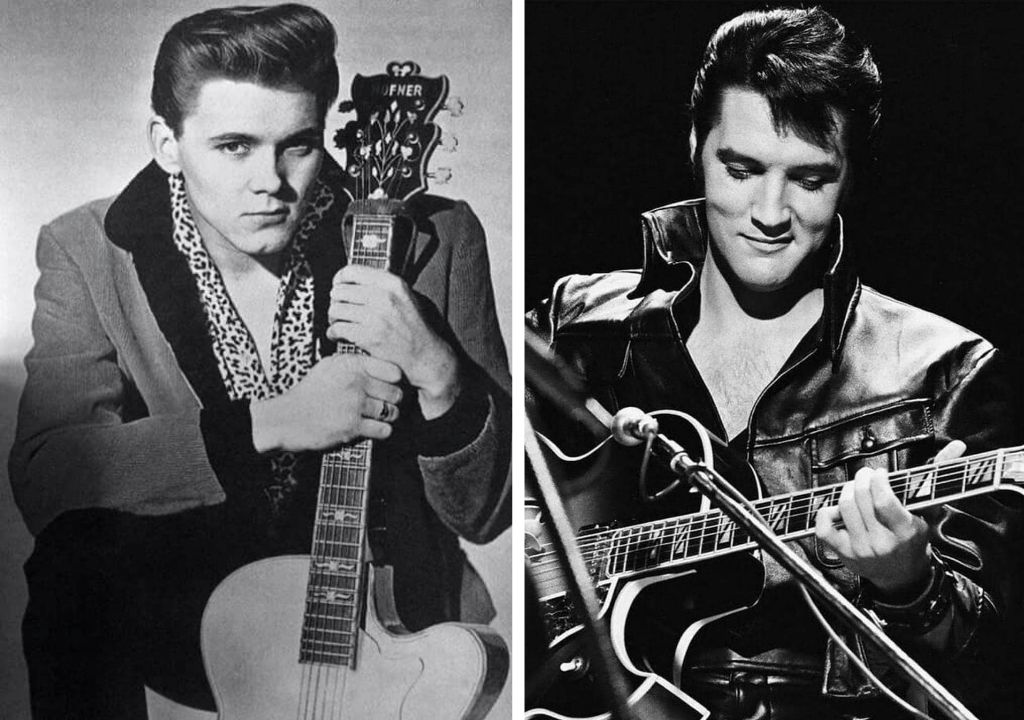
INTRODUCTION
The flint-walled facade of St Peter’s by the Waterfront, a 15th-century landmark standing sentinel over the Ipswich docks, serves as an unlikely crucible for mid-century rebellion on 03/14/2026. The atmosphere within the nave is thick with the weight of expectation, a collective breath held by a sold-out audience seeking more than mere imitation. The stakes are profoundly existential; in a hyper-digital landscape, the enduring demand for the tactile vibrations of the 1960s suggests a lingering hunger for a specific, unvarnished brand of charisma that modern stardom often struggles to replicate. This convergence of history and melody underscores a deeper cultural truth: some legacies do not merely fade into archives; they demand re-activation.
THE DETAILED STORY
The narrative of British Rock ‘n’ Roll is frequently relegated to a secondary footnote of the American explosion, yet Billy Fury represented a distinct, brooding paradigm that both mirrored and sophisticated the Presley archetype. Performers Alan Wilcox and Ivan Brady do not simply inhabit these roles; they engage in a meticulously curated dialogue between two titans who redefined the global teenage psyche. Fury, the shy Liverpudlian born Ronald Wycherley, offered a vulnerable, almost melancholic magnetism that stood in stark contrast to the overt, muscular bravado of the Memphis Flash. This stylistic tension is what fuels the “Billy Fury Meets Elvis Presley” showcase, transforming a tribute concert into an analytical study of mid-century cool.

This Ipswich gathering operates as a microcosm of what historians might call the “Transatlantic Feedback Loop.” By the early 1960s, the exchange of leather jackets, pompadoured silhouettes, and tremolo-heavy guitar riffs had established a cultural shorthand that remains remarkably resilient. To capture the nuance of “Halfway to Paradise” or the soul-baring intensity of “Suspicious Minds” requires a meticulous mastery of phrasing and breath—a technical precision that honors the original artists’ commitment to emotional transparency. The event, priced for a premium audience, underscores a paradigm shift in how we perceive tribute performances: they are no longer just nostalgic exercises, but essential preservation acts of a disappearing oral and musical tradition.
As the spotlights illuminate the historic rafters this Saturday evening, the audience is transported to a moment in history where the future felt both inevitable and thrillingly undefined. The sold-out status of this performance highlights a significant implication: the silhouettes of Fury and Presley continue to command immense cultural real estate because they were the primary architects of the modern celebrity’s internal conflict. They navigated the razor’s edge between public projection and private fragility with a grace that feels increasingly rare in the contemporary era. This evening in Ipswich is a definitive testament to the fact that while the physical presence of the icons has faded, the resonance of their artistry remains an immovable, magnetic pillar of Western identity.