 By admin
INTRODUCTION
The air inside the telephone exchange in Jönköping, Sweden, in early 1967, was thick with the rhythmic clicking of switchboards and the sterile hum of industrial efficiency. For seventeen-year-old Agnetha Fältskog, these shifts were a mechanical purgatory, a stark contrast to the melodic architecture forming in her mind. While her hands navigated the labyrinth of copper wires, her intellect was preoccupied with a different kind of connection—one that had recently been severed. The dissolution of her first significant romance with Björn Lilja was not merely a private grief; it became the catalyst for a composition that would eventually dismantle the existing paradigms of the Swedish music industry.
THE DETAILED STORY
The recording of “Jag var så kär” (I Was So In Love) took place in the autumn of 1967, yet its resonance was not fully realized until it ascended to the summit of the Svensktoppen charts on 01/28/1968. What distinguished Fältskog from her contemporaries was not merely the crystalline purity of her soprano, but her meticulous command over the narrative structure of the song. Unlike the ephemeral bubblegum pop of the era, “Jag var så kär” possessed a sophisticated melancholy—a weary, lived-in wisdom that seemed statistically impossible for a teenager. The track was a masterclass in tension and release, mirroring the internal conflict of a young woman reconciling her public-facing youth with an internal landscape of profound isolation.
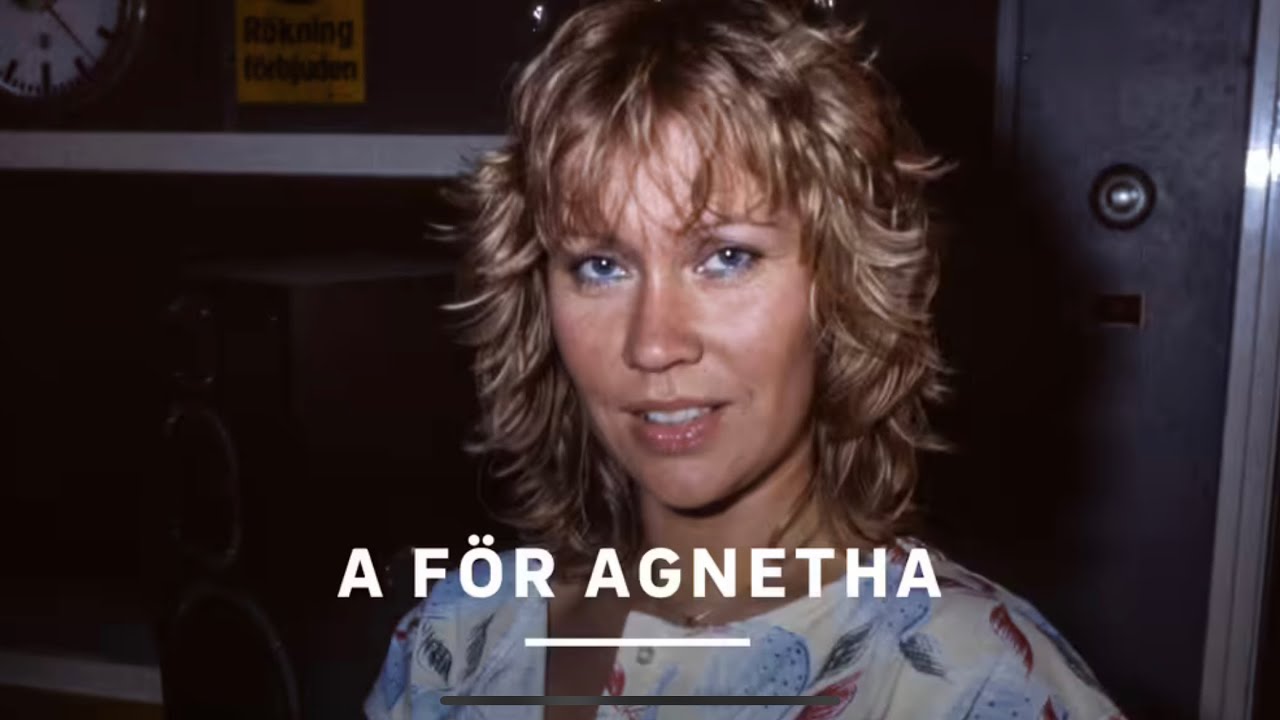
When the demo tape reached the ears of Karl-Gerhard Lundkvist—the producer known as Little Gerhard—at Cupol Records, the reaction was one of immediate professional recognition. He observed that the song’s power lay in its lack of artifice. Fältskog had bypassed the standard tropes of teenage longing, opting instead for a direct, authoritative examination of heartbreak. This was not a song about a fleeting crush; it was an autopsy of a relationship, performed with surgical precision. The success of the single was inevitable, yet it presented a unique paradox: the very heartbreak that had isolated Fältskog now rendered her the most visible woman in Sweden.
This period of her career established a foundational blueprint for what would eventually become the global phenomenon of ABBA. One can trace a direct lineage from the subdued resignation of “Jag var så kär” to the operatic devastation of “The Winner Takes It All” recorded over a decade later. Fältskog’s ability to anchor a melody in authentic human experience allowed her to transcend the limitations of the “schlager” genre. By the time she reached eighteen, she had already articulated a universal truth: that the most enduring art is often born from the quietest moments of personal collapse. Her ascent was not a product of chance, but a calculated response to the nuances of the human heart, proving that even in the depths of a first sorrow, there exists the structural integrity of a future legend.