 By admin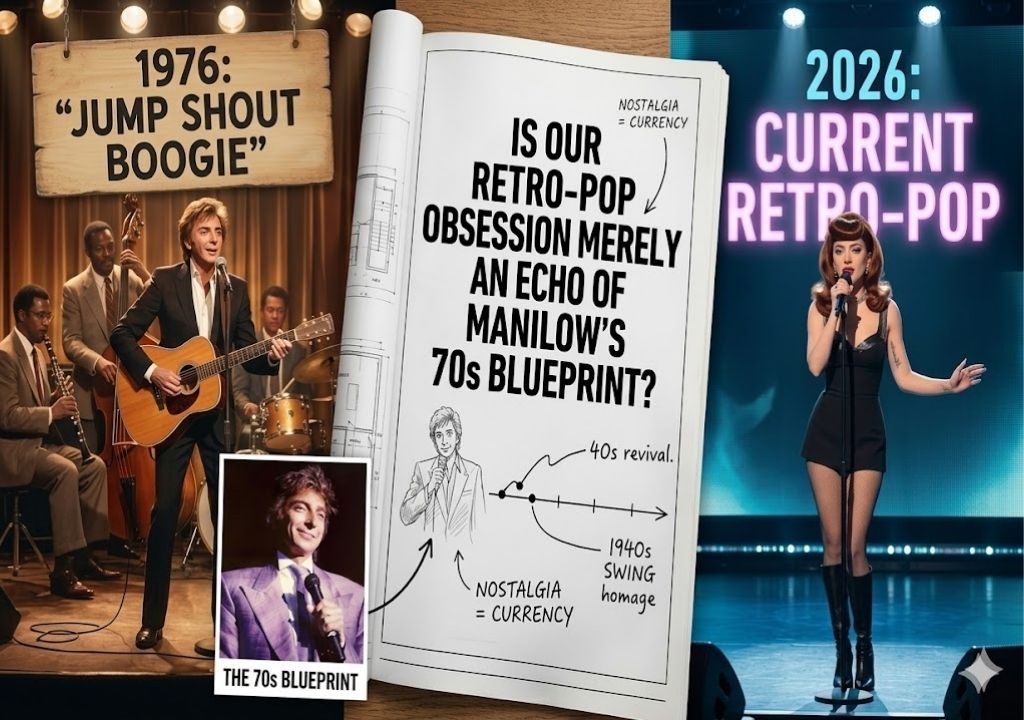
INTRODUCTION
In the autumn of 1976, the American airwaves were dominated by the heavy syncopation of disco and the emerging polish of soft rock. Amidst this transition, Barry Manilow released “Jump Shout Boogie” as a standout track on his triple-platinum album, This One’s for You. Co-written with Bruce Sussman, the song was more than just a musical composition; it was a deliberate stylistic intervention. While his peers were chasing the futuristic sounds of synthesizers, Manilow looked backward, channeling the frantic energy of the 1940s boogie-woogie era. The track served as a bridge between generations, proving that the technical brilliance of the “Big Band” sound could still capture the imagination of a cynical, post-Watergate America.
THE DETAILED STORY
The success of “Jump Shout Boogie” is rooted in its architectural precision. Manilow, a graduate of Juilliard with a background in television jingles, understood the “mathematics of the hook” better than almost any other artist of the 70s. The song features a driving, walking bassline on the piano—a direct nod to the keyboard virtuosity of legends like Meade Lux Lewis and Albert Ammons. To ensure the track didn’t feel like a museum piece, Manilow and producer Ron Dante infused it with a high-fidelity punch that allowed it to compete with the loud disco records of the time. While “Weekend in New England” and “This One’s for You” handled the chart-topping duties, “Jump Shout Boogie” became the spiritual center of Manilow’s live shows, often used as a high-energy “showstopper” that showcased his band’s agility.
Financially, the song contributed to the juggernaut that was the This One’s for You era, which saw Manilow generating record-breaking revenues for Arista Records. During this period, Manilow became the first artist since the 1940s to have five albums on the charts simultaneously. “Jump Shout Boogie” validated his standing as a “musical historian” who could sell millions of records by revitalizing forgotten genres. It wasn’t just a song for the radio; it was a piece of musical theater that redefined the boundaries of what a pop star could achieve. Today, the track stands as a testament to Manilow’s ability to command the stage and the charts by celebrating the joyous, unadulterated roots of American jazz and swing.