 By admin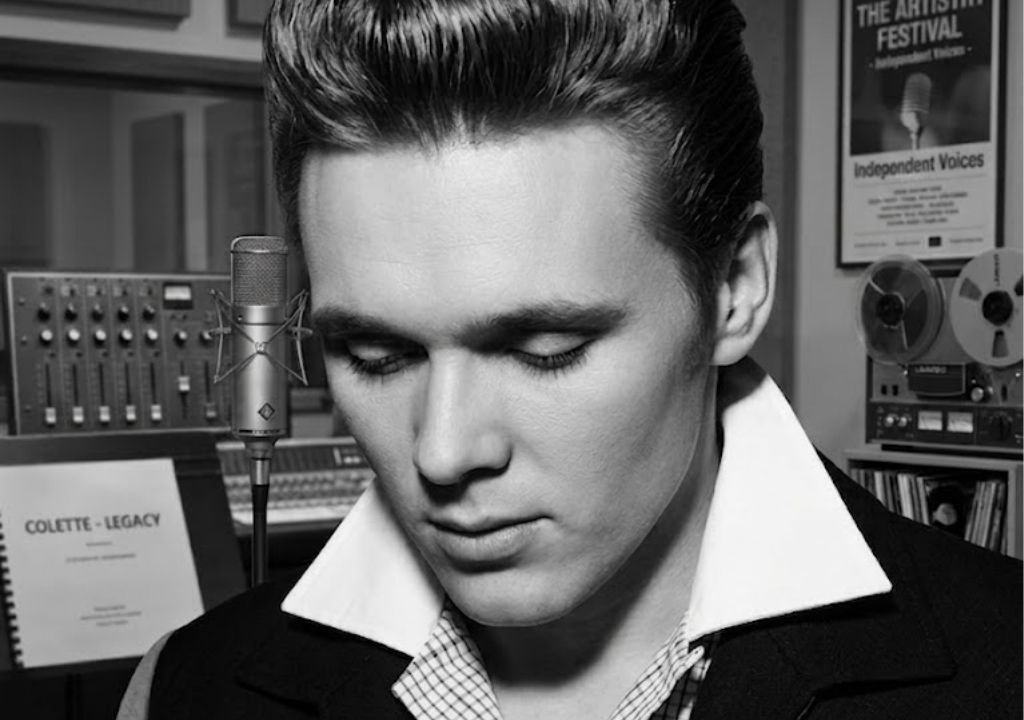
INTRODUCTION
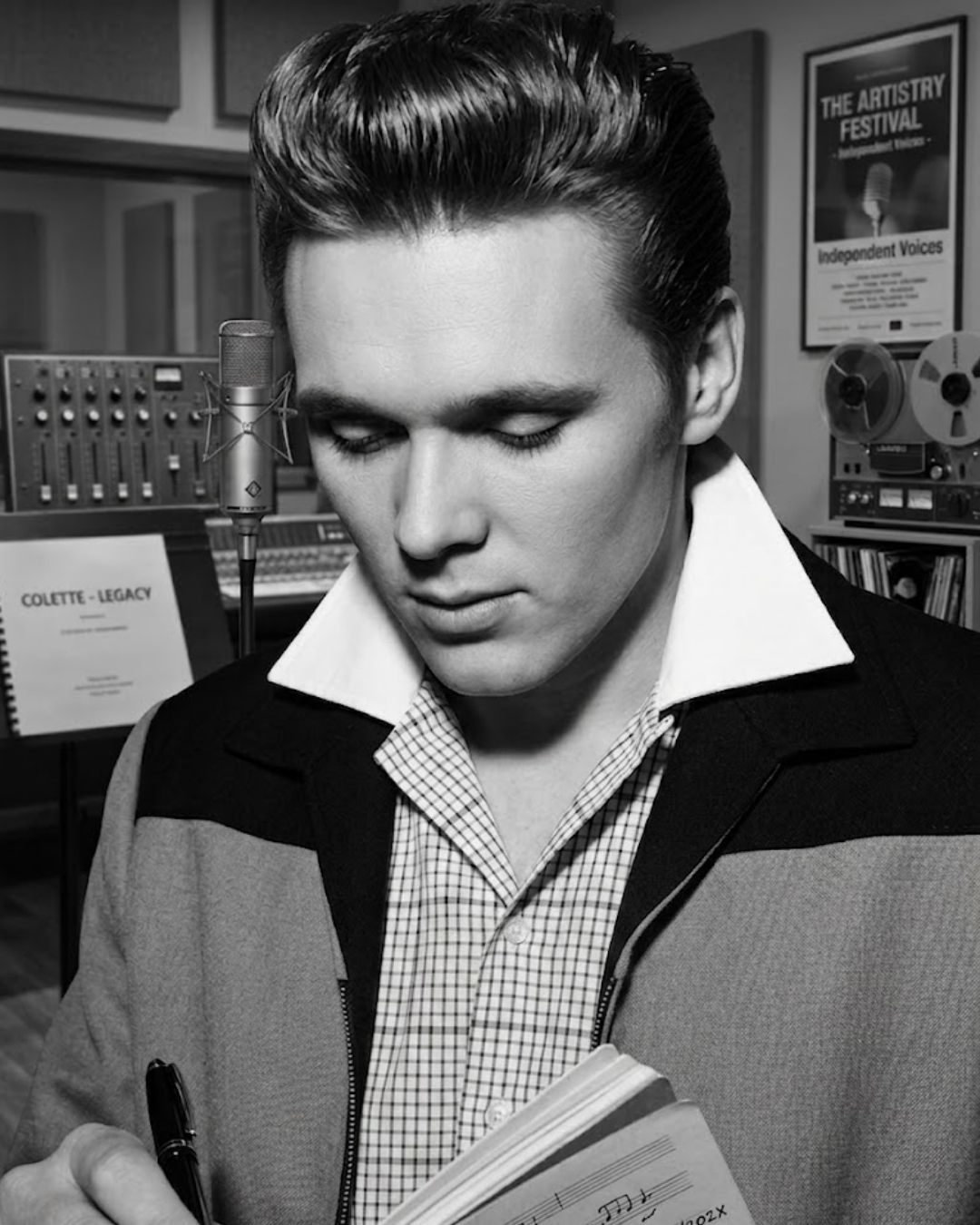
In the dawn of 1960, the British music industry was a landscape dominated by svengalis and meticulously manufactured personas. Yet, beneath the flickering neon of London’s West End, a twenty-year-old Ronald Wycherley—rechristened Billy Fury—was quietly staging a revolution. Unlike his contemporaries who relied on a conveyor belt of professional songwriters, Fury possessed a brooding, poetic interiority that demanded expression. When he entered Decca Studios to record “Colette,” he wasn’t just performing a track; he was delivering a piece of his own psyche. The song, a shimmering blend of rockabilly urgency and melodic yearning, signaled the arrival of a true singer-songwriter in an era of puppets. With his quiff perfected and his guitar slung low, Fury stood as a testament to the raw, unpolished talent emerging from the working-class streets of Liverpool, long before the world had ever heard of Merseybeat.
THE DETAILED STORY
Released in February 1960, “Colette” remains a definitive milestone in the annals of British rock and roll. While the American charts were reeling from the “Day the Music Died,” Billy Fury provided the United Kingdom with its own indigenous spark of genius. The single rapidly ascended the charts, peaking at number nine and proving that Fury’s songwriting instincts were as sharp as his stage presence. At a time when the average weekly wage in Britain was roughly $40, Fury’s escalating success saw his valuation skyrocket, with “Colette” contributing significantly to a career that would eventually boast more weeks on the charts than many of his more famous rivals. The song’s success was not merely a matter of luck; it was a calculated strike for artistic independence orchestrated under the watchful, often demanding eye of manager Larry Parnes.
The narrative of “Colette” is inextricably linked to the “Sound of Fury” era, a period where Billy insisted on recording his own compositions—a move considered highly risky by Decca executives. Industry insiders at the time were skeptical that a “teen idol” could possess the gravitas to pen a hit, yet the technical precision of the recording silenced the critics. The track features a driving, rhythmic guitar line and Fury’s distinctive, breathy vocal delivery that suggests both confidence and a hidden, aching loneliness. This duality became his trademark. The song even found its way into the 1962 film Play It Cool, where Fury’s performance of his own material solidified his status as a multi-media force of nature.
Beyond the financial metrics and chart positions, “Colette” represents a shift in the cultural zeitgeist. It was a moment where the performer reclaimed the narrative from the producer. While the track was recorded in the heart of London, its spirit was pure Americana, filtered through a uniquely British sensibility. By the time the session musicians packed their cases and the master tapes were filed, Fury had accomplished something extraordinary: he had turned a simple romantic plea into a manifesto for the self-made star. Today, as we analyze the history of pop, “Colette” stands as the bridge between the artifice of the fifties and the authentic explosion of the sixties.