 By admin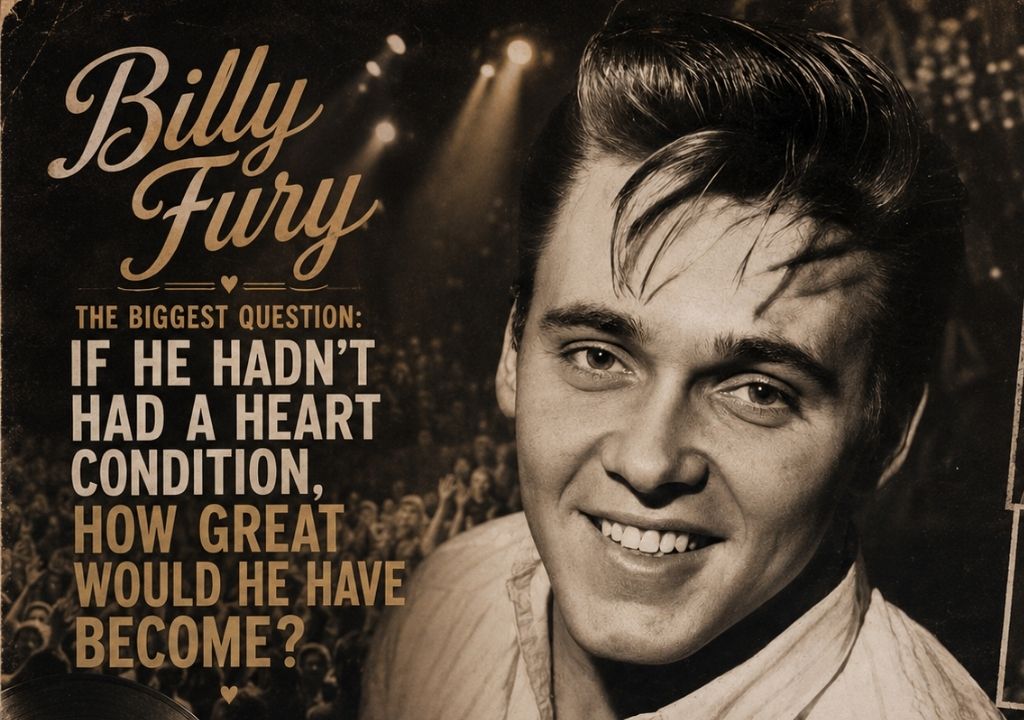
INTRODUCTION
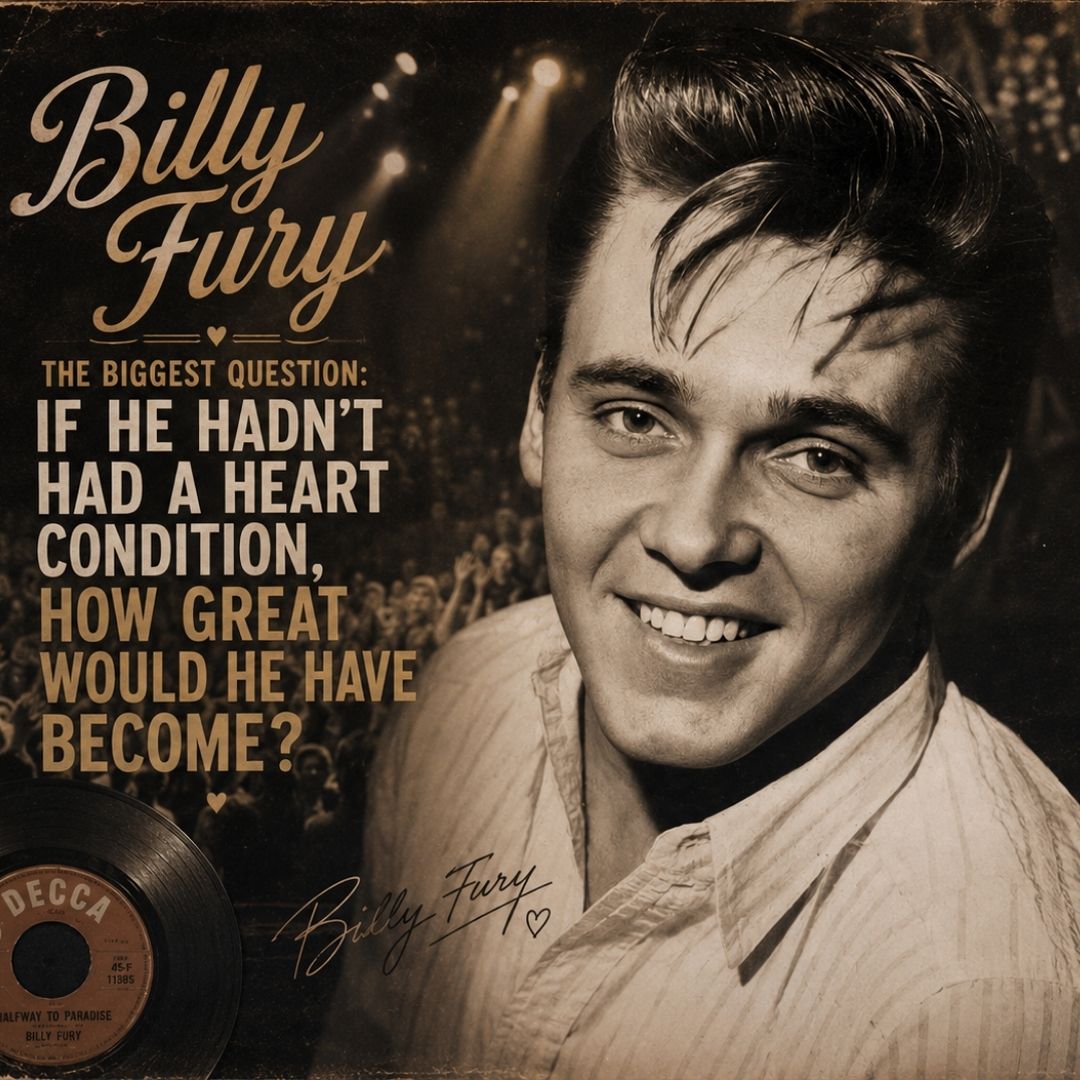
Behind the velvet curtains of London’s high-stakes mid-century entertainment venues, a young man from Liverpool routinely collapsed into the arms of stage managers, gasping for breath beneath the weight of a brilliant but compromised physiology. Ronald Wycherley, known to the world as Billy Fury, held the mid-century pop charts in a state of absolute submission, generating an astonishing 332 weeks on the United Kingdom charts. Yet, while his brooding performance style and authentic rockabilly sensibilities positioned him as the direct European counterweight to Elvis Presley, a severe childhood bout of rheumatic fever left his heart permanently damaged. This hidden frailty created an invisible ceiling for an empire that should have crossed the Atlantic. To analyze his trajectory is to confront one of the most profound alternate histories in popular music, evaluating a genius whose ultimate artistic boundary was dictated entirely by a failing cardiovascular system.
THE DETAILED STORY
The architecture of early British rock and roll was fundamentally reshaped by Billy Fury’s instinctual mastery of American roots music, an accomplishment achieved under a constant medical death sentence. Music archivers and industry analysts at Billboard frequently note that Fury possessed the exact aesthetic blueprint required for total international dominance: a striking, cinematic presence, a deeply expressive vocal range, and a rare ability to write his own hit material, such as his landmark 1960 debut album The Sound of Fury. However, the physical reality of his condition systematically choked his commercial expansion. While contemporaries like The Beatles and The Rolling Stones launched high-octane global campaigns to conquer the lucrative United States market, Fury’s medical team strictly prohibited the grueling trans-Atlantic travel and exhausting promotional schedules required to break into the American Billboard Hot 100.
Had his cardiovascular system operated at full capacity, music historians deduce that Fury would have evolved far beyond the confines of a regional UK phenomenon. His natural affinity for authentic Country and Rockabilly—influences he shared with Hank Williams—would have allowed him to integrate seamlessly into the evolving Nashville and Los Angeles recording scenes during the late 1960s. Without the constant threat of physical exhaustion, his live spectaculars would have expanded into the massive arena-rock circuits of the 1970s, utilizing his unique, smoldering showmanship to pioneer a more mature, sophisticated style of adult contemporary pop. Furthermore, his cinematic appeal would have unlocked major Hollywood studio contracts, offering a legitimate artistic alternative to the increasingly sanitized film vehicles of his American peers. By removing the profound physical friction that ultimately curtailed his touring career and led to his tragic passing in 1983, Fury’s legacy elevates from a treasured national icon to an undisputed architect of global popular culture. His uninhibited career would have stood as a multi-million-dollar monument to pure rock resilience, permanently redefining the transatlantic musical exchange.