 By admin
INTRODUCTION
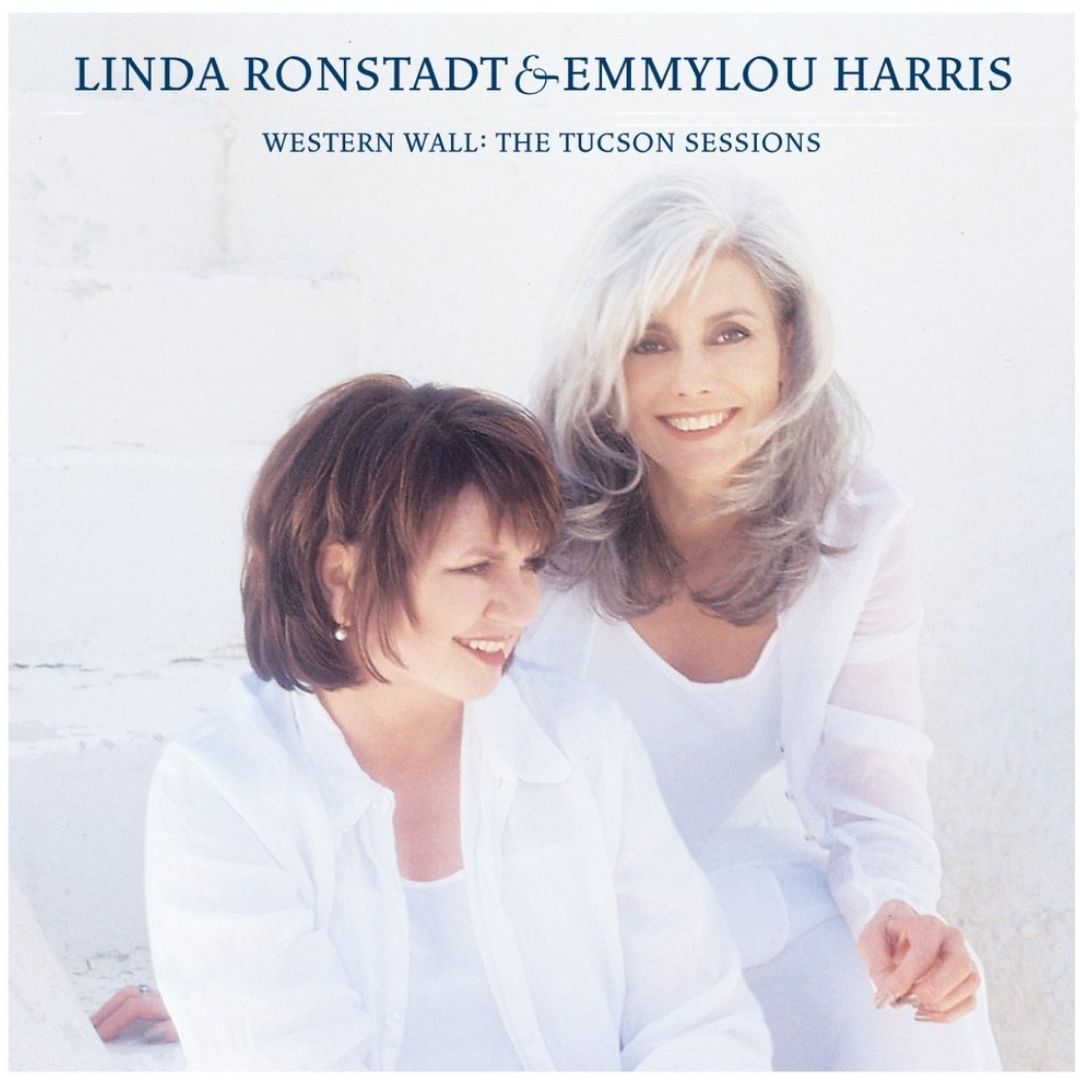
Inside the historic Arizona Inn in Tucson, Arizona, the dry desert heat hovering around 95 degrees Fahrenheit was completely shut out by the thick, cool walls of a temporary recording sanctuary. It was the summer of 1999. Sitting mere inches apart under the low glare of vintage studio lamps, two of the most formidable vocalists in American music history prepared to sing. Linda Ronstadt, possessing a legendary, crystalline soprano, locked eyes with Emmylou Harris, the matriarch of expressive, textured country alto. There were no multi-million-dollar digital mixing boards, no pitch-correction software, and no sterile corporate directives. Instead, the legendary duo relied entirely on organic acoustic instrumentation and raw, unadorned vocal counterpoint. This intimate gathering would ultimately yield Western Wall: The Tucson Sessions, an album that rejected the overproduced trends of late-twentieth-century pop to preserve the true essence of artistic devotion.
THE DETAILED STORY
The commercial release of Western Wall: The Tucson Sessions on 08/24/1999 via Asylum Nashville marked a profound architectural milestone in the evolution of country-rock. At a time when the music industry was heavily investing in hyper-compressed digital formats and calculated pop cross-overs, Ronstadt and Harris deliberately staged a quiet rebellion. According to historical tracking by Billboard, the album defied mainstream radio trends by climbing to number 6 on the Top Country Albums chart and securing a comfortable position at number 73 on the definitive Billboard 200 chart. Under the masterfully minimalist guidance of legendary rock producer Glyn Johns, the recording environment prioritized sonic space over technical excess. Johns captured the performances using basic analog protocols, preserving the true physical depth of acoustic guitars, cellos, and mandolins.
The true core of this project, however, was the raw, unedited communication between the two iconic voices. Bypassing the safety net of separate isolation booths, Ronstadt and Harris recorded their vocals facing one another, letting their harmonies blend organically within the natural room acoustics. Their performance on tracks like Rosanne Cash’s titular “Western Wall” and Jackson Browne’s “For a Dancer” showcased a flawless vocal counterpoint where Ronstadt’s muscular, operatic upper register beautifully intertwined with Harris’s delicate, silver-threaded low tones. This wasn’t a corporate product designed by committee; it was a transparent audio document of a lifelong personal friendship and mutual respect that began in the early 1970s.
The industry immediately recognized the absolute integrity of this collaboration. Variety and The Hollywood Reporter lauded the album as a definitive acoustic triumph, culminating in a prestigious nomination for Best Contemporary Folk Album at the 42nd Annual Grammy Awards held in early 2000. By choosing an unvarnished, filter-free method, the duo established a timeless blueprint for roots music. Their partnership demonstrated that when two premier masters of American song discard commercial armor, the resulting musical architecture commands unmatched authority, standing firm against the relentless erosion of digital trends.