 By admin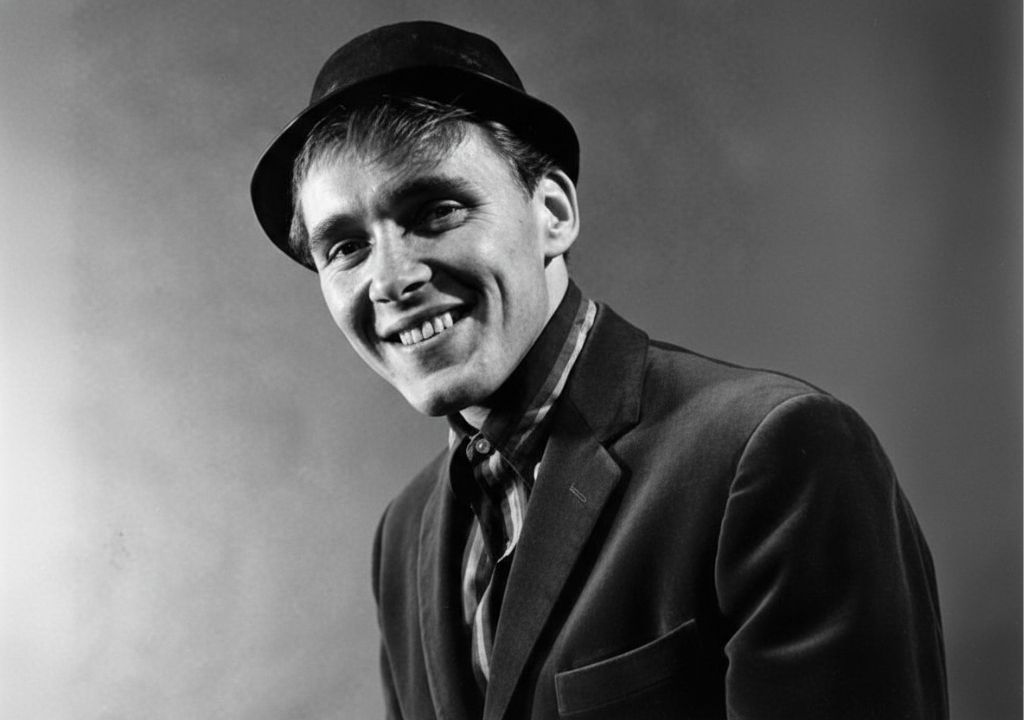

INTRODUCTION
In the late 1950s, the British stage was a landscape of stiff wool drapes and utilitarian silhouettes, reflecting a nation still shaking off the drabness of post-war austerity. When Ronald Wycherley—rechristened Billy Fury—emerged from the wings, he did so swathed in the unapologetic luxury of velvet. It was a tactile revolution; the plush, light-catching material offered a stark contrast to the aggressive leather and denim of the burgeoning “Rocker” subculture, signaling a new, more sophisticated breed of masculine idol.
THE DETAILED STORY
Billy Fury was a pioneer of the “Peacock Revolution” before the term had even been coined by the fashion press. While his manager, the legendary Larry Parnes, curated the names and images of his “stable” of stars, Fury’s affinity for velvet was a personal signature that spoke to his unique stage presence. His velvet jackets, often in deep jewel tones or midnight black, featured narrow lapels and impeccable tailoring that accentuated his lithe, almost fragile frame. This choice of fabric served a dual purpose: it was visually arresting under the primitive television studio lights of the era, and it complimented his vocal style, which was smoother and more vulnerable than the shouting delivery of his peers.
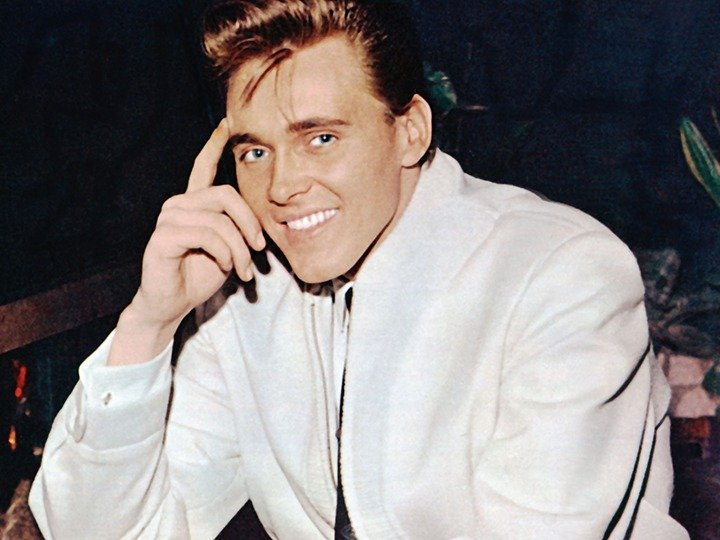
This sartorial choice bridged the gap between the traditional Teddy Boy “drape” jacket—which often utilized velvet trim on the collars and cuffs—and a more modern, continental elegance. By adopting full velvet jackets, Fury moved away from the street-gang connotations of the Teds and toward the refined glamor of a solo headliner. His influence was immediate; young men across the UK began seeking out similar garments in an attempt to capture his “halfway to paradise” allure. This shift marked a critical moment in British fashion history, where male performers began to embrace softer textures and more flamboyant materials without sacrificing their rebellious credentials.
The velvet jacket became a symbol of Fury’s dual nature: the toughness of a rock ‘n’ roll pioneer paired with the sensitivity of a balladeer. It was a garment that demanded respect through its sheer quality and distinctiveness, much like the man himself. Long before the velvet-clad excesses of the psychedelic 1960s, Fury established the material as a staple of the rock star’s wardrobe, proving that true power often lies in the most subtle of textures.