 By admin

INTRODUCTION
The narrative of Loretta Lynn is often shrouded in the mist of Appalachian folklore, where the line between childhood and adulthood was historically blurred by the exigencies of poverty. While her iconic autobiography, Coal Miner’s Daughter, famously claimed she was a bride at thirteen, historical records and marriage certificates later revealed a more meticulous truth: she was fifteen. However, the three-year discrepancy does little to diminish the high stakes of her 1948 union to Oliver “Doolittle” Lynn. Marrying a twenty-one-year-old war veteran just thirty days after their first meeting was not merely a romantic impulse; it was a definitive departure from the isolated hollows of Kentucky toward a life that would eventually redefine the paradigm of the American woman.
THE DETAILED STORY
The relationship between Loretta and “Doo” was characterized by a volatile chemistry that served as the primary source of fuel for her songwriting. Within months of their wedding, the couple migrated to Washington State, a move that effectively severed Loretta’s ties to her maternal support system and forced her into a premature domesticity. The marriage was a crucible of extremes—marked by Doolittle’s documented infidelity and struggles with alcoholism, yet anchored by his unwavering belief in her untapped talent. It was Doolittle who purchased her first $17 Sears guitar and pushed a bashful Loretta onto the stages of local honky-tonks, insisting that her voice was superior to the established stars of the era.
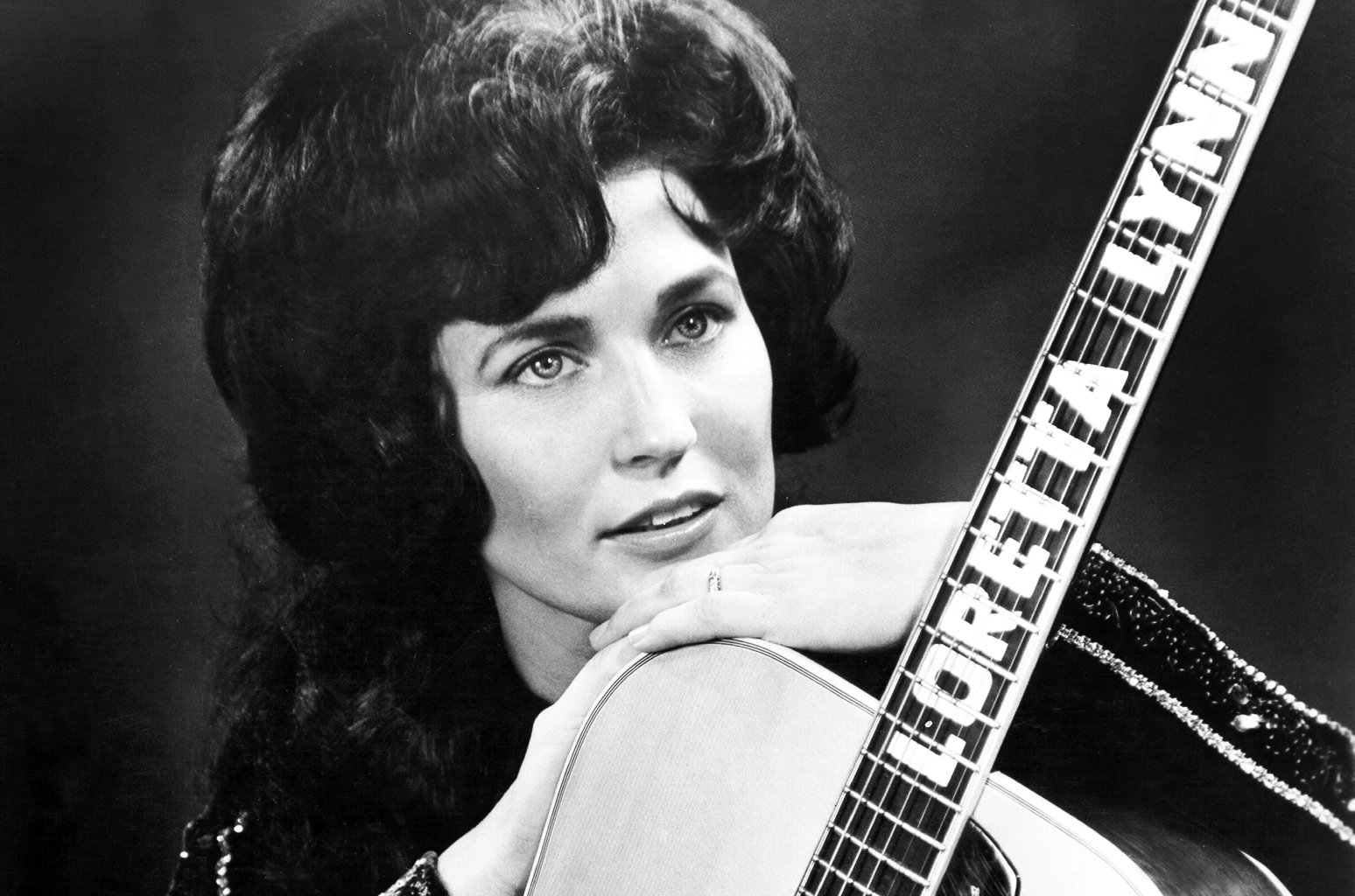
This paradox of the “supportive antagonist” is what makes their story a masterclass in narrative architecture. Loretta did not merely endure the hardships of her marriage; she weaponized them. Every act of betrayal and every domestic dispute was meticulously transformed into a lyrical manifesto. Songs like “Don’t Come Home A-Drinkin’ (With Lovin’ on Your Mind)” and “You Ain’t Woman Enough” were not just chart-toppers; they were public ventilations of a private war. In an era when female artists were expected to remain demure, Loretta Lynn used the authority of her lived experience to speak for a generation of women who felt trapped by similar traditional contracts.
Ultimately, the union lasted nearly fifty years, until Doolittle’s death in 1996. Their bond was an intricate web of dependency, trauma, and profound loyalty. Loretta often stated that “he never hit me one time that I didn’t hit him back twice,” a testament to the iron-willed resilience she developed within the marriage. Their story serves as an authoritative reminder that the most significant artistic legacies are often forged in the heat of a conflict that the rest of the world might find impossible to navigate. It raises a lingering thought: would the voice that spoke for the “Coal Miner’s Daughter” have ever found its resonance without the very heartbreak that threatened to silence it?