 By admin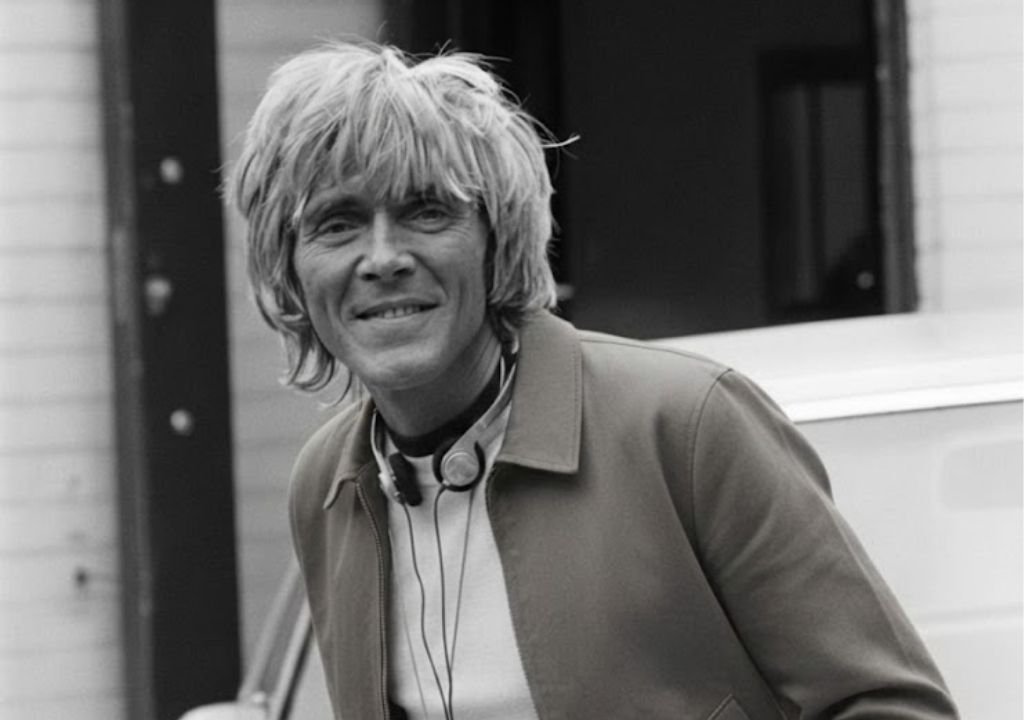

INTRODUCTION
A rain-slicked Liverpool dock in the late 1950s serves as the crucible for Ronald Wycherley, a young man burdened by a weakened heart and an extraordinary vocal range. Before the world knew him as Billy Fury, he was a deckhand whose internal rhythms were dictated more by the syncopation of American rock and roll than the industrial hum of the Mersey. This 2026 art-house retrospective focuses not on the tragedy of his early passing, but on the precise, meticulous craftsmanship of his performance style—a paradigm of vulnerability that predated the aggressive confidence of the British Invasion.
THE DETAILED STORY
The planned October 2026 screenings across the United Kingdom represent a significant cultural recalibration. Historians and curators are moving beyond the “British Elvis” moniker, a label that, while commercially successful, often obscured the nuance of Fury’s artistry. Unlike many of his contemporaries who relied on high-energy mimicry, Fury’s power resided in a sophisticated restraint. His 1960 album, The Sound of Fury, remains a landmark achievement, being one of the first instances of a British artist composing an entire LP of original rock and roll material. This autonomy was a precursor to the singer-songwriter movement that would eventually dominate the global music landscape.
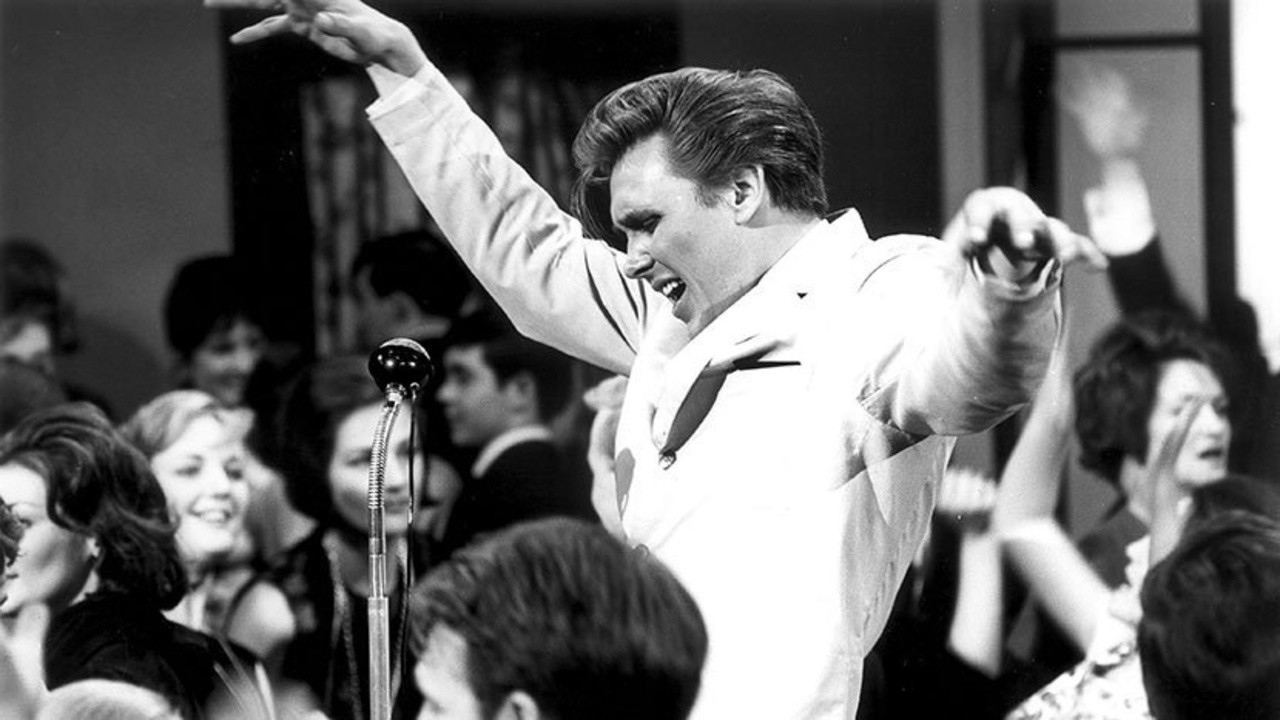
The narrative architecture of these film events explores the paradox of a performer who commanded the stage while grappling with profound physical fragility. The films curated for the week—ranging from the 1962 musical Play It Cool to the 1973 classic That’ll Be the Day—illustrate a transition from the technicolor optimism of the early sixties to a more reflective, somber examination of the rock and roll lifestyle. Industry analysts suggest that the enduring appeal of Billy Fury lies in this duality: the juxtaposition of his James Dean-esque exterior with a deeply sensitive, almost ethereal vocal delivery.
Furthermore, the 2026 celebration highlights Fury’s influence on the aesthetic of subsequent generations, from the glam-rock era to the brooding protagonists of modern indie cinema. His career serves as a case study in how personal limitation can be sublimated into high art. By examining his work through a modern lens, the retrospective aims to cement his status not just as a pioneer, but as a permanent fixture in the pantheon of artists who understood that true resonance is found in the spaces between the notes. As the lights dim in independent cinemas this October, the question remains whether the digital age can ever replicate the raw, authentic yearning that Fury articulated so effortlessly.