 By admin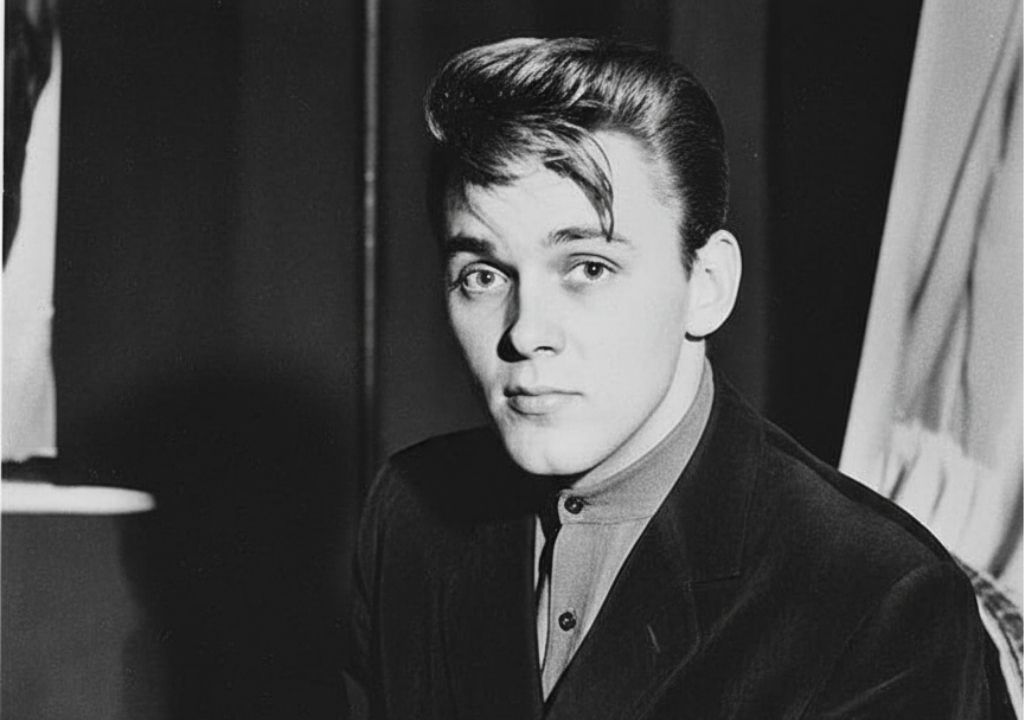

INTRODUCTION
In a 1946 Liverpool infirmary, a six-year-old Ronald Wycherley listened to the distant, rhythmic thrum of the Mersey docks, a sound that stood in stark contrast to the irregular, weakened beat of his own heart. The diagnosis of rheumatic fever was not merely a medical note; it was a structural sentence that carved a boundary around his future before he had even learned to navigate the present. This early encounter with physical limitation created a distinct psychological landscape, one where every breath was a calculated risk and every artistic ambition was shadowed by an implicit, inescapable expiration date.
THE DETAILED STORY
When the world eventually met him as Billy Fury, the transformation was nothing short of a meticulous architectural feat. Clad in silver lamé and possessing a vulnerability that felt both dangerous and divine, Fury became the definitive British rock and roll icon of the late 1950s. While contemporaries leaned into a sanitized, predictable charm, Fury projected a raw, brooding sensitivity that mirrored the precariousness of his own physiology. It was a profound paradigm shift in mid-century performance; the audience witnessed a rebel, but the man behind the persona was engaged in a constant, silent negotiation with his own physical endurance.

The paradox of his career lay in the friction between his stage vitality and his medical reality. Despite a string of hits that rivaled the longevity of the era’s titans—maintaining a presence on the charts that felt both inevitable and hard-won—Fury remained a figure of quiet solitude. His music, particularly the seminal Sound of Fury album, introduced a level of self-composed artistry that was practically unheard of in the pre-Beatles landscape. He was a pioneer of the “Liverpool Sound” long before the term entered the global lexicon, yet he operated within a precise framework of rest and medical supervision that the public was never permitted to glimpse.
The nuanced tragedy of his life was not found in the typical excesses of the music industry, but in his necessary retreat to the natural world. He sought sanctuary in birdwatching and the stillness of his farm, finding a quietude that his heart demanded. Even as he faced the $100,000-plus debts common to the era’s restrictive management contracts, his focus remained on the craft rather than the commerce. In the end, Billy Fury did not simply succumb to a childhood prophecy; he outpaced it for decades, leaving behind a body of work that remains a testament to the resilience of the human spirit. He proved that while the heart may be frail, the resonance of a genuine voice achieves a state of permanence that biology simply cannot dictate.