 By admin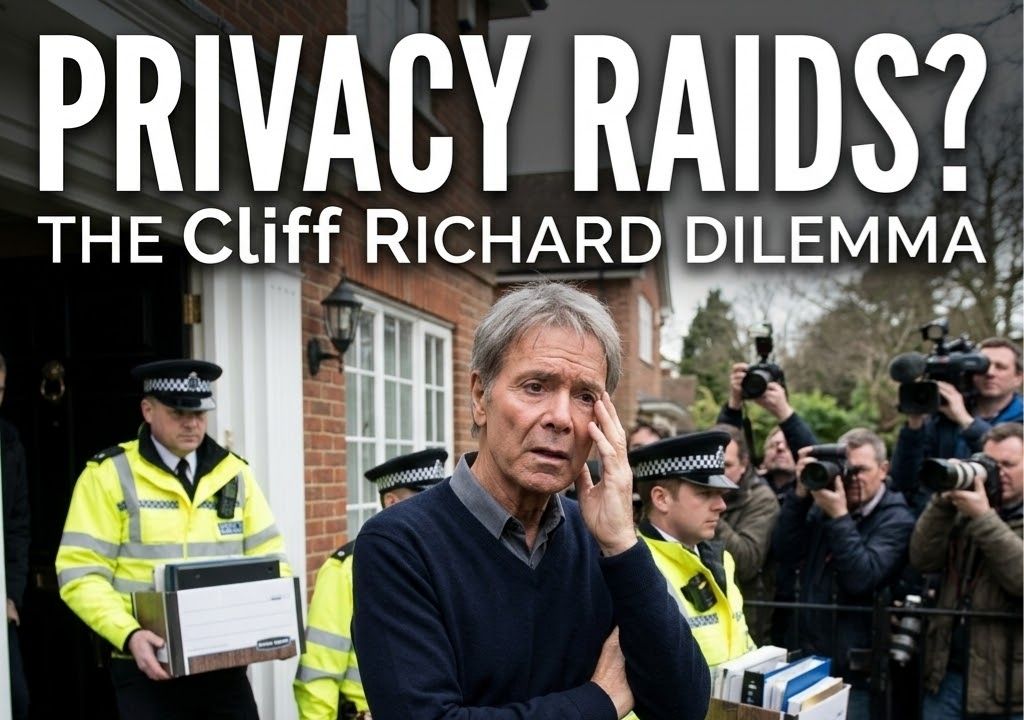
INTRODUCTION
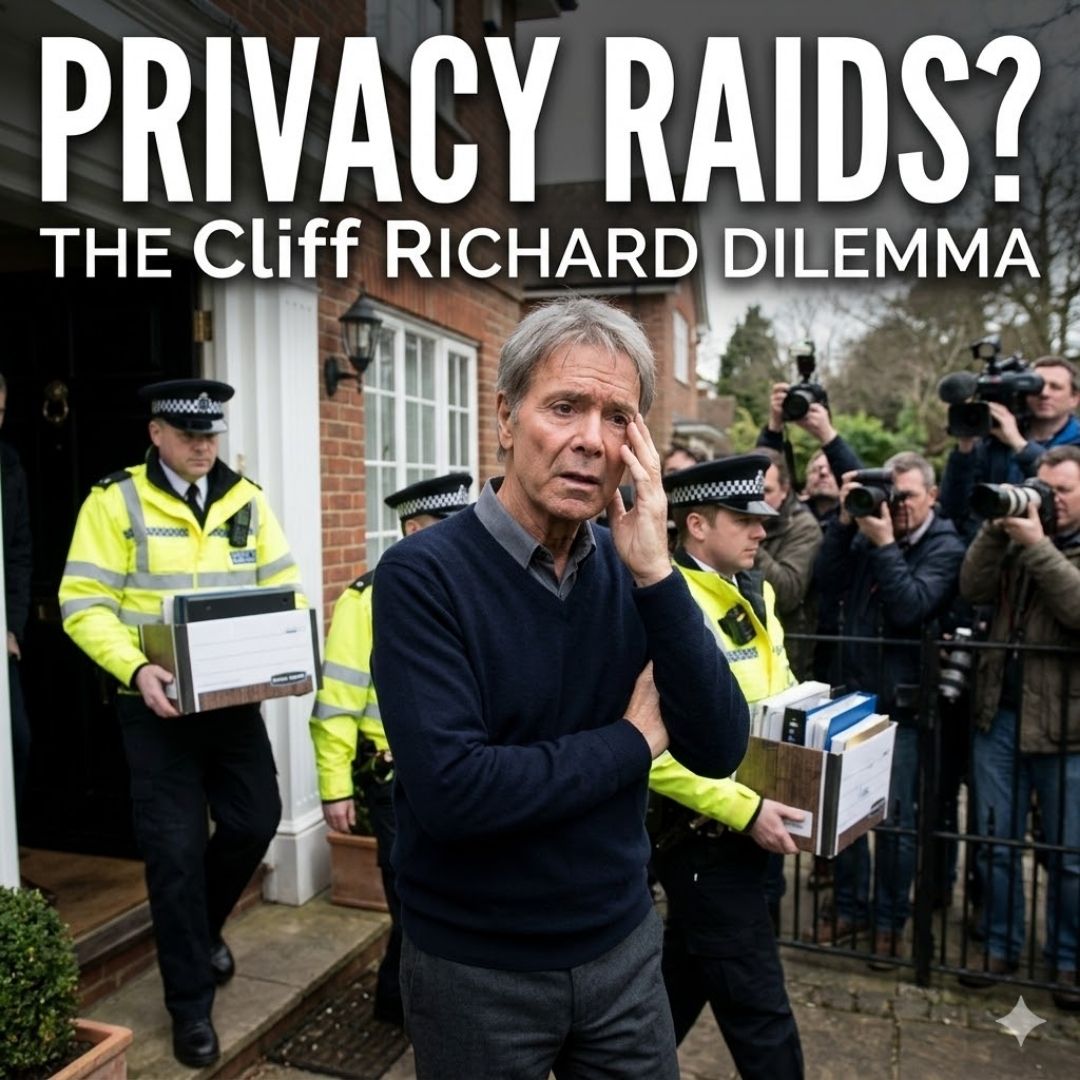
High above the manicured landscapes of Berkshire on August 14, 2014, a BBC helicopter hovered with the clinical precision of a predator. Below, investigators from the South Yorkshire Police moved through the private residence of Sir Cliff Richard, their every movement broadcast live to a global audience of millions. For the legendary artist, then 73 years old and resting at his vineyard in Portugal, the sight of his home being treated as a crime scene on the afternoon news was a surreal and shattering betrayal. This was not merely an investigation into historical allegations; it was a televised spectacle that threatened to dismantle a six-decade legacy of unblemished public service and musical excellence. The “Peter Pan of Pop” suddenly found himself at the epicenter of a high-stakes conflict between the state’s investigative power and the fundamental right to anonymity.
THE DETAILED STORY
The 2014 raid represented the most significant crisis in the career of Sir Cliff Richard, an artist whose name had long been synonymous with British cultural stability. While the historical allegations that prompted the search were ultimately dismissed in 2016 without a single charge being filed, the reputational damage inflicted by the live broadcast was immense. Richard described the two-year period of uncertainty as a “shattering” ordeal that took a measurable toll on his health and well-being. However, rather than retreating into a quiet bitterness, he embarked on a landmark legal odyssey that would eventually transform the landscape of privacy law in the United Kingdom.
In the subsequent High Court battle against the BBC and the South Yorkshire Police, the singer sought to establish a definitive boundary for media conduct. In 2018, Mr. Justice Mann delivered a watershed ruling, concluding that the BBC had infringed upon Richard’s “reasonable expectation of privacy” in a “serious and sensationalist” manner. The court awarded Richard substantial damages, but the true victory lay in the legal precedent: the naming of suspects before they are charged was effectively curtailed. This judicial intervention forced a nationwide reckoning within newsrooms and police departments, prioritizing the presumption of innocence over the hunger for real-time reporting.
Throughout this period, Richard maintained a remarkable poise, anchored by his faith and the unwavering support of a global fanbase. His professional output did not falter; instead, he channeled his experiences into advocacy, supporting legislation to protect the identities of those falsely accused. By refusing to let the 2014 intrusion define him, Richard emerged as a champion of civil liberties. His ability to return to the stage, performing to sold-out arenas with the same vigor that defined his youth, served as a powerful rebuttal to the narrative of scandal. The ordeal, while a profound shock, ultimately highlighted the enduring strength of his character and his pivotal role in safeguarding the privacy rights of future generations.