 By admin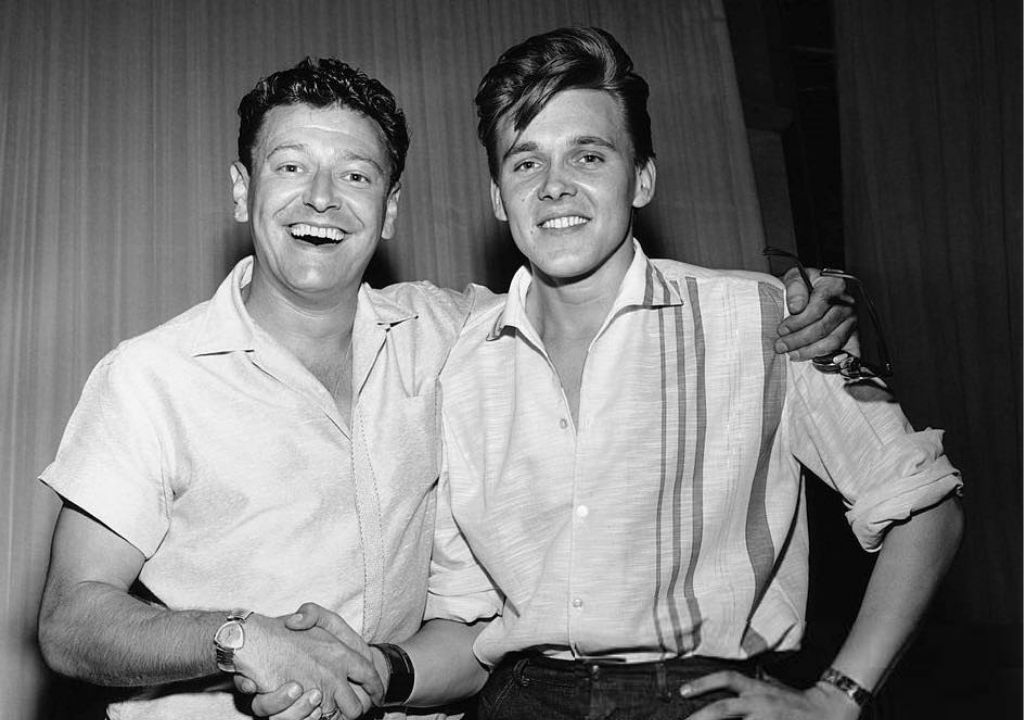

INTRODUCTION
The intersection of cinema and rock-and-roll in post-war Britain was a meticulously manufactured landscape designed to capitalize on the explosive popularity of the “teen idol.” While the genre was often dismissed as ephemeral, the announcement of special screenings of Billy Fury’s 1962 feature, Play It Cool, across various London venues next month, suggests a sophisticated enduring appeal. Directed by the legendary Michael Winner, the film served as a critical vehicle for Fury, positioning him not just as a singer, but as a multi-dimensional protagonist of the Merseybeat era. This revival is not merely a nostalgic exercise; it is an authoritative re-examination of the visual architecture that defined a generation.
THE DETAILED STORY
The plot of Play It Cool—centering on a pop singer and his band attempting to navigate the high-society obstacles of London to reach a talent contest—mirrored the real-world friction between the establishment and the emerging youth culture. For Fury, the film was a high-stakes gamble to prove that his kinetic stage presence could translate to the silver screen. The upcoming screenings highlight the meticulous craftsmanship of the era, from the sharp, tailored suits to the innovative musical sequences that featured other icons like Helen Shapiro and Bobby Vee. For the contemporary London audience, these screenings offer a rare, uncompressed view of a city on the precipice of the “Swinging Sixties.”
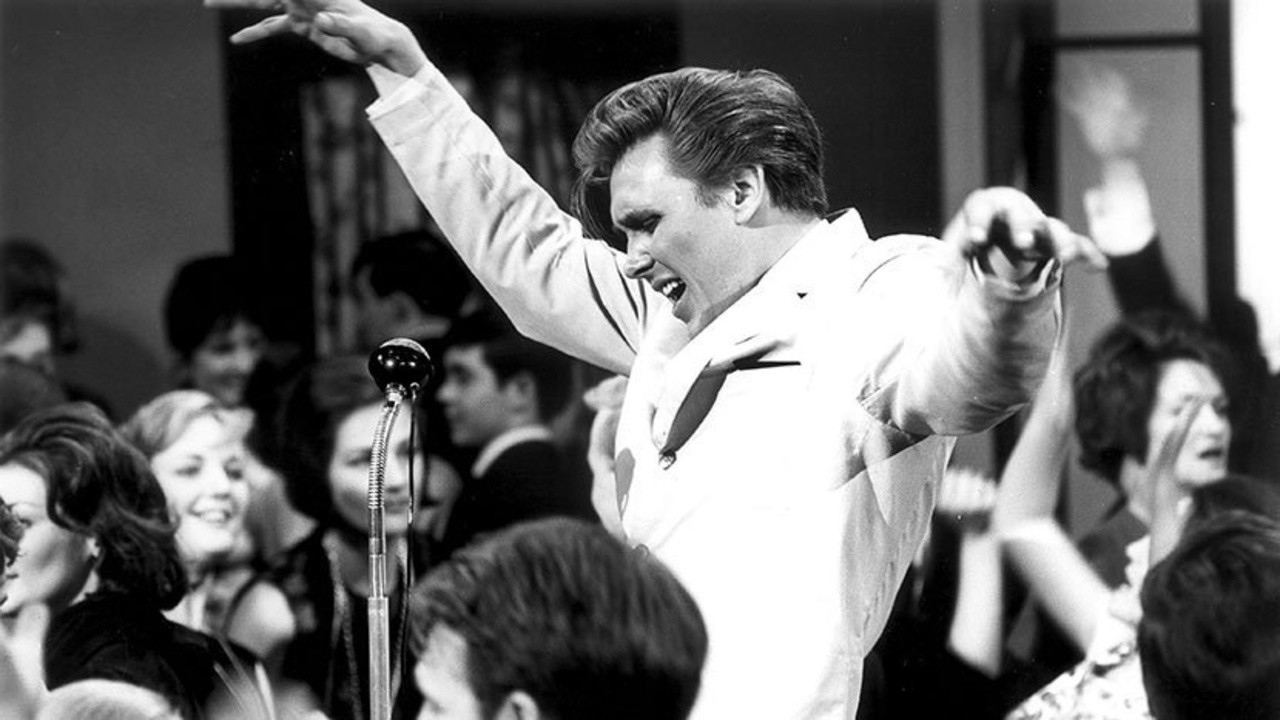
Beyond the aesthetic allure, the return of Play It Cool to the cinema underscores a broader movement to institutionalize the “British Invasion” precursors. Fury’s performance in the film is notable for its vulnerability—a trait that distinguished him from his more aggressive American counterparts. The decision by London theater chains to host these special nights reflects a paradigm shift in how we consume legacy content; there is a growing demand for the communal, high-fidelity experience of the theater over the isolation of digital streaming. It suggests that the “Fury phenomenon” possesses a structural integrity that remains relevant even in the complex media environment of 2026.
As the lights dim for these February screenings, the audience is reminded that Billy Fury was a primary architect of a cultural shift that eventually allowed for the dominance of groups like The Beatles. The film acts as a time capsule, preserving a moment when the future of British music felt both inevitable and dangerously new. This revival raises a lingering, authoritative thought: in our current era of hyper-curated digital personas, is there still a place for the raw, unpolished charisma of an artist who simply wanted to “play it cool”? The enduring demand for these tickets suggests that the answer is a resounding affirmative.